Pforzheim
A city in Baden, between Stuttgart and Karlsruhe, called the Goldstadt for its jewellery and watch industry. It made cases, movements and inexpensive wristwatches in large numbers, and is still home to Stowa and Laco.
Germany (Baden-Württemberg)
In the history German watchmaking
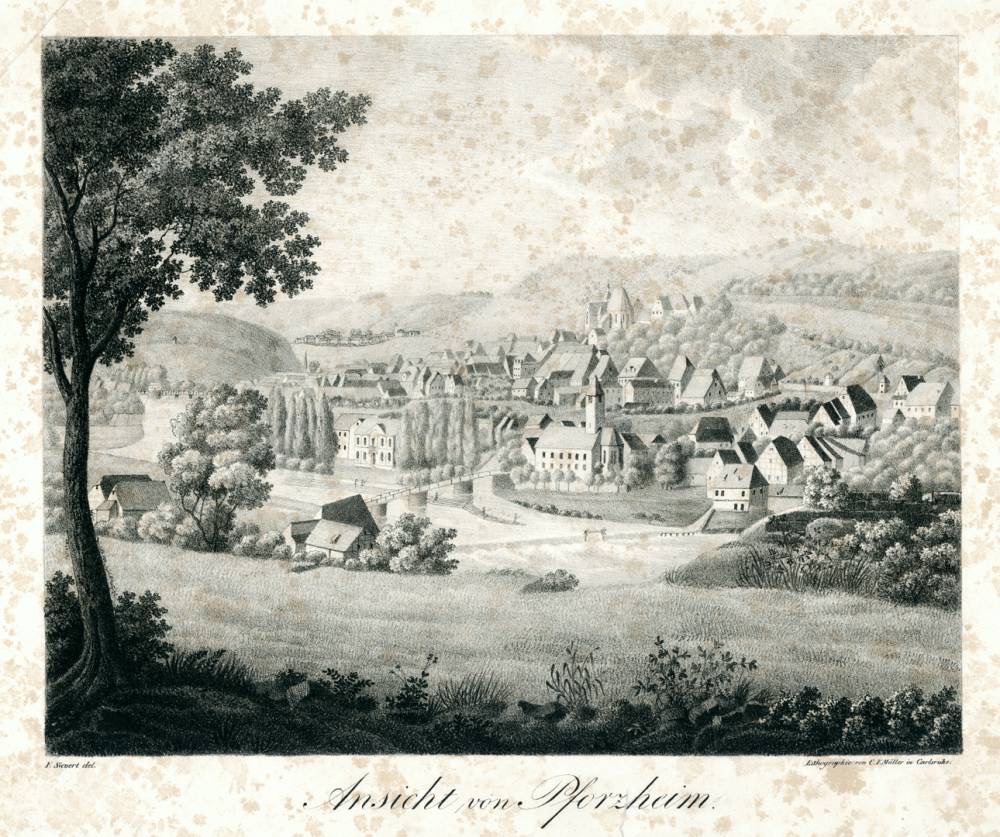
Two pilot’s-watch makers
Laco began here in 1925 as Lacher & Co., and its partner Ludwig Hummel founded the movement maker Durowe in the city in 1933. Stowa moved in from the Black Forest in 1935. Both were among the five makers of the German air force’s observation watch in the Second World War, and both still make pilot’s watches on that pattern in Pforzheim.4, 5, 7, 8, 9, 10, 11

An industry begun in an orphanage
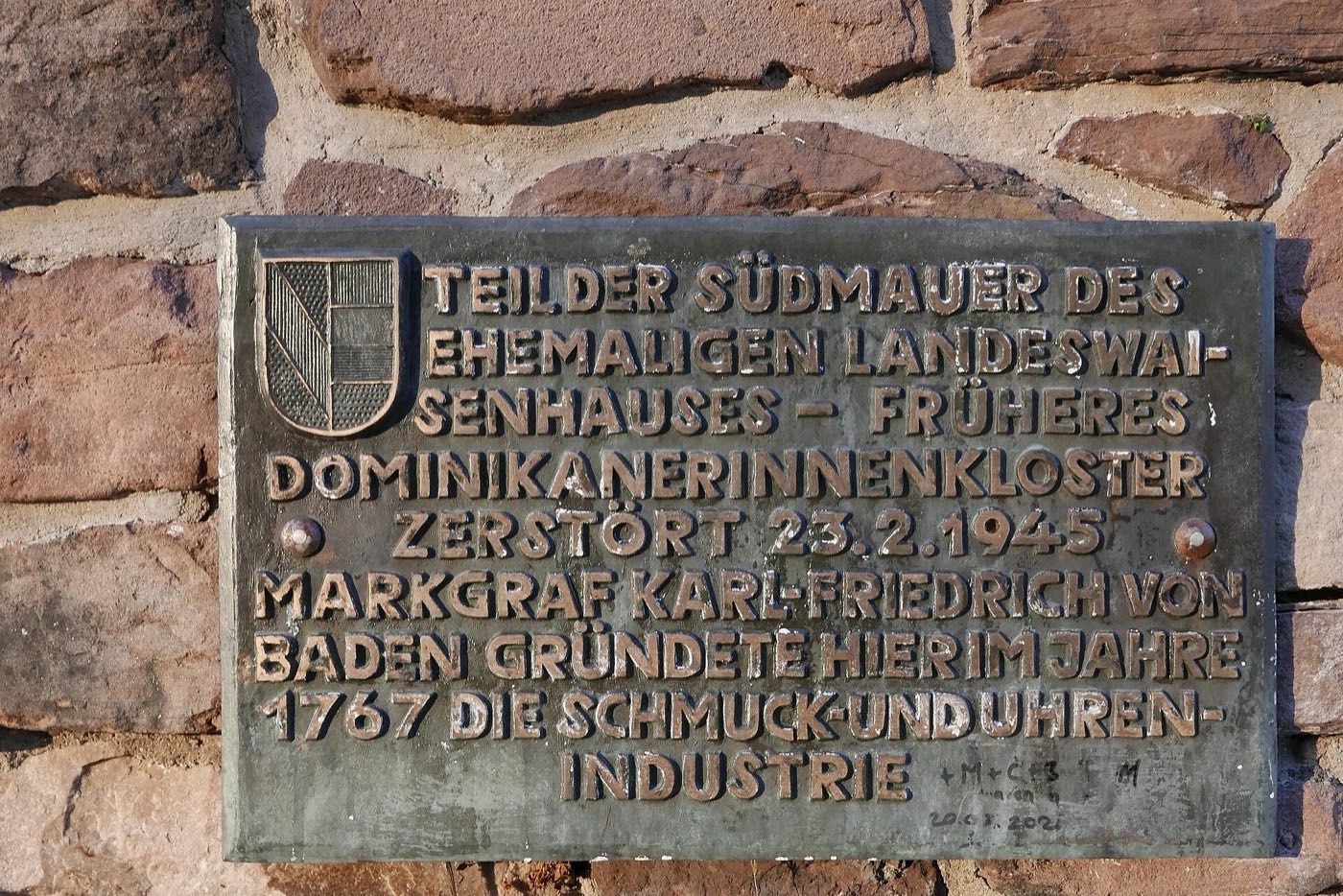
In 1767 Margrave Karl Friedrich of Baden had a manufactory for watches and fine steel goods set up in Pforzheim’s orphanage. He brought in the Frenchman Jean François Autran and two Swiss partners, who hired instructors from abroad to teach the orphans to assemble watches and make jewellery. Jewellery became the town’s main trade; watchmaking lapsed and was taken up again from about 1900.1, 2
The watch industry specialised in small watches, made with a fine division of labour among many firms, and mostly turned out inexpensive wristwatches. A local historian dates its good years to 1900–1914 and 1925–1939, when gold, silver and gold-plated cases from Pforzheim sold worldwide, and says the town, after long buying movements or parts from abroad, could make complete movements from 1932.2, 3
Destruction and recovery
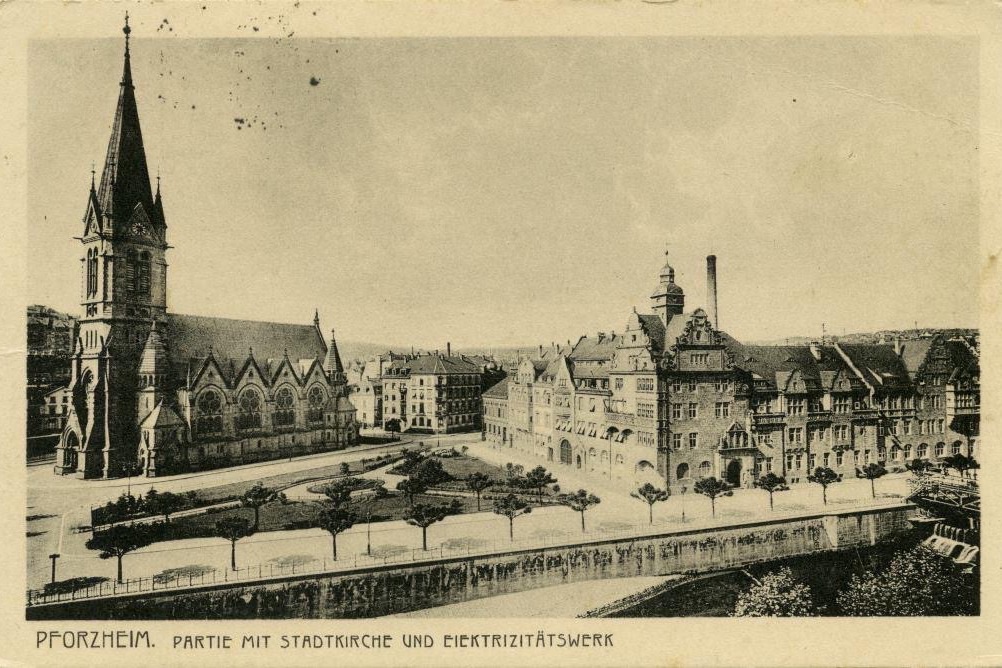
In the Second World War the watch firms turned to armaments production. On the evening of February 23, 1945, a Royal Air Force raid destroyed most of the city and its industry; Stowa moved its production to Rheinfelden.1, 2, 3, 10
After some years of crisis came a successful period from 1949, with mechanical watches and, from the 1970s, quartz movements. Then cheap quartz watches from Japan proved too strong a competitor, and in 1993 the last movement maker in Pforzheim closed while still turning out 18,000 quartz movements a day. The same historian says some Pforzheim firms mastered quartz technology but could not make it cheaply enough, and that a proposed merger of several makers came to nothing.2, 3
The city now runs a technical museum of its jewellery and watch industry, in a former jewellery factory.3
Key dates
- 1767
A manufactory for watches and fine steel goods opens in Pforzheim’s orphanage.1, 2
- 1925
- 1933
Laco Ludwig Hummel founds the movement maker Durowe in Pforzheim.8, 9, 18
- 1935
- 1945
A Royal Air Force raid on February 23 destroys most of the city.1, 2
- 1945
Stowa The Pforzheim building is destroyed on February 23; production moves to Rheinfelden.10, 19
- 1993
The last movement maker in Pforzheim closes.3
- 2023
Where Pforzheim leads
- Based here, CompanyLaco
Laco has been in Pforzheim since Lacher & Co. was founded there in 1925, and grew up alongside the Pforzheim movement maker Durowe.7, 18
- Based here, CompanyStowa
Stowa moved to Pforzheim in 1935, left for Rheinfelden after its building was destroyed in 1945, and moved back into the city in 2023.4, 10
- Part of, HistoryGerman watchmaking
Baden’s jewellery town, maker of cases, movements and inexpensive wristwatches, destroyed in February 1945.2, 3, 20
- See also, TraditionPilot’s watches
Two of the five makers of the wartime observation watch, Stowa and Laco, were Pforzheim firms, and both still make pilot’s watches in the city.4, 7, 11
- See also, EventThe Second World War
A Royal Air Force raid on 23 February 1945 destroyed the city and its industry; the city counts more than 17,600 dead.2, 20
Facts and sources
- Country
- Germany (Baden-Württemberg)1, 3
Sources
- 1
- 2
Die Pforzheimer Schmuck- und Uhrenindustrie im Wandel der Zeit (opens in a new tab)
- 3
- 4
- 5
- 6
- 7
- 8
- 9
Laco Watch Company: A Brand Highlight with a Family Perspective (opens in a new tab)
- 10
The STOWA history: mechanical watches from the Black Forest since 1927 (opens in a new tab)
- 11
The History of the Pilot Watch Part Five: B-Uhr (opens in a new tab)
- 12
- 13
- 14
- 15
- 16
- 17
- 18
- 19
- 20
OB-Ansprache Gedenkfeier Hauptfriedhof, 23. Februar 2020 (opens in a new tab)
Sources read November 11, 2026.