Histories
The history of watchmaking as one connected story, in five eras and eighteen chapters. Each chapter walks from the whole story into the companies, people, places, technologies, objects and events it is made of.

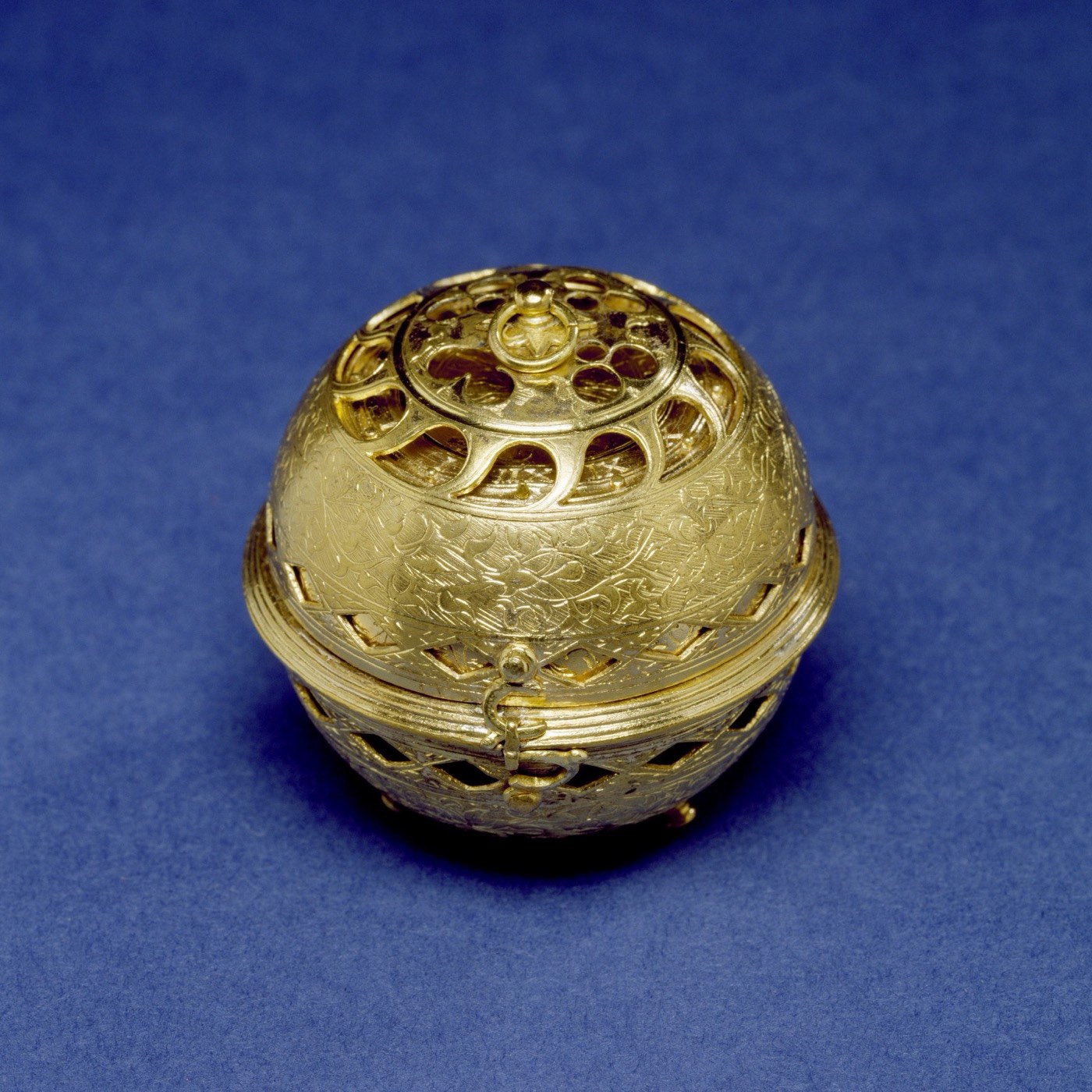
Era I, 1500 to 1675
Portable time
The spring-driven clock becomes small enough to carry.
Era II, 1675 to 1850
The age of precision
The watch becomes a timekeeper: the balance spring, the problem of longitude at sea, and the workshops of London and Paris.
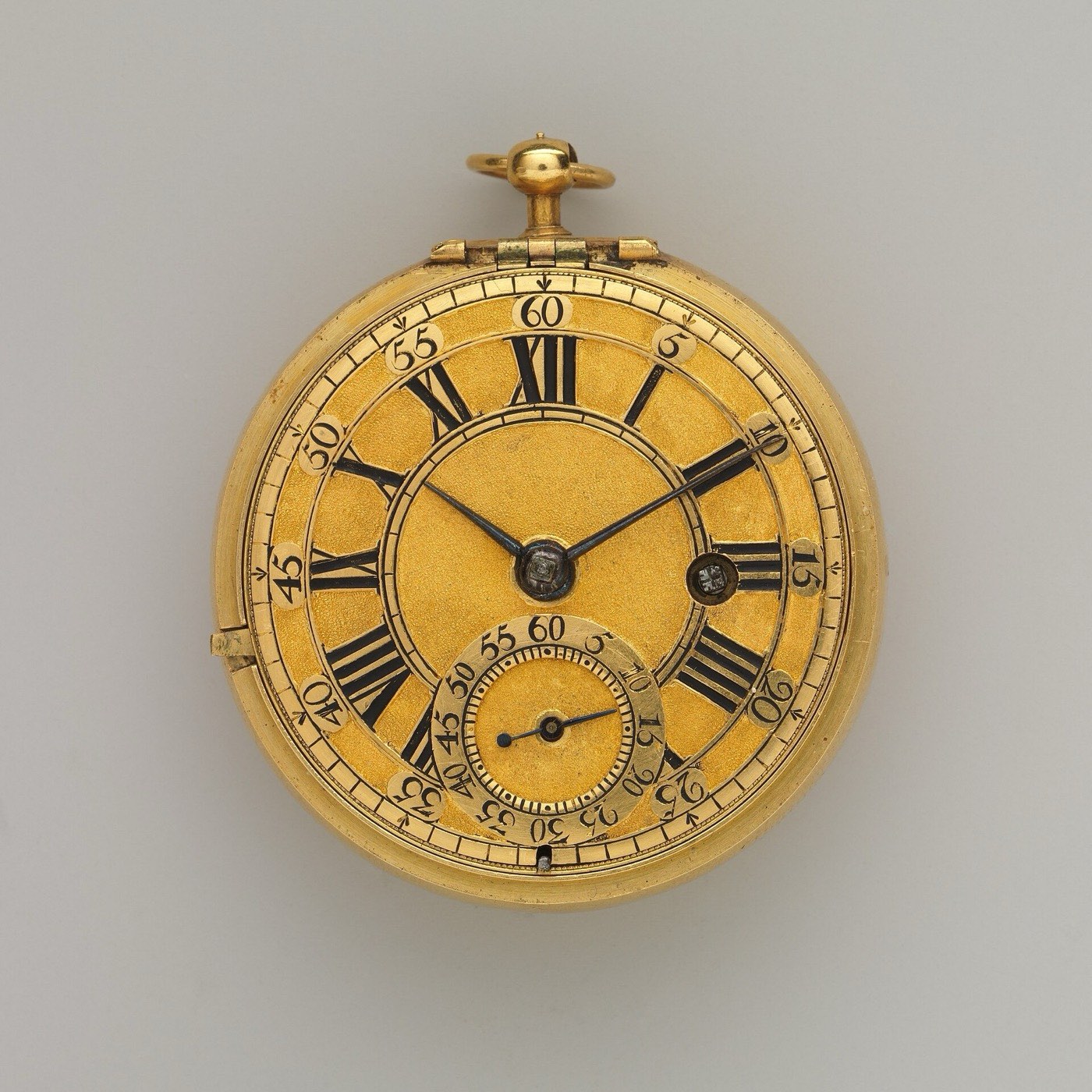
1675 to 1800
The balance spring and the age of precision
How a spiral spring on the balance made the watch a timekeeper.
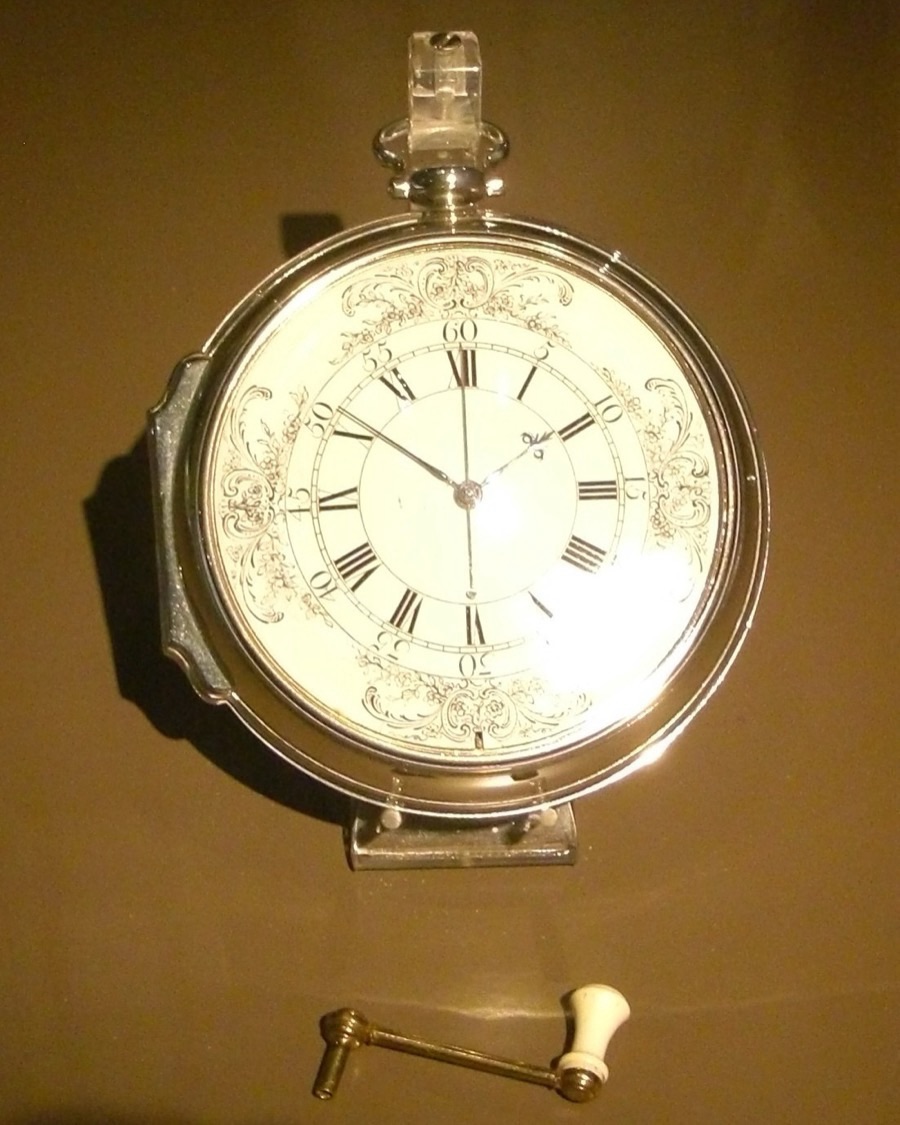
1714 to 1900
Longitude and the marine chronometer
How a clock solved the problem of finding a ship’s position at sea.
1750 to 1850
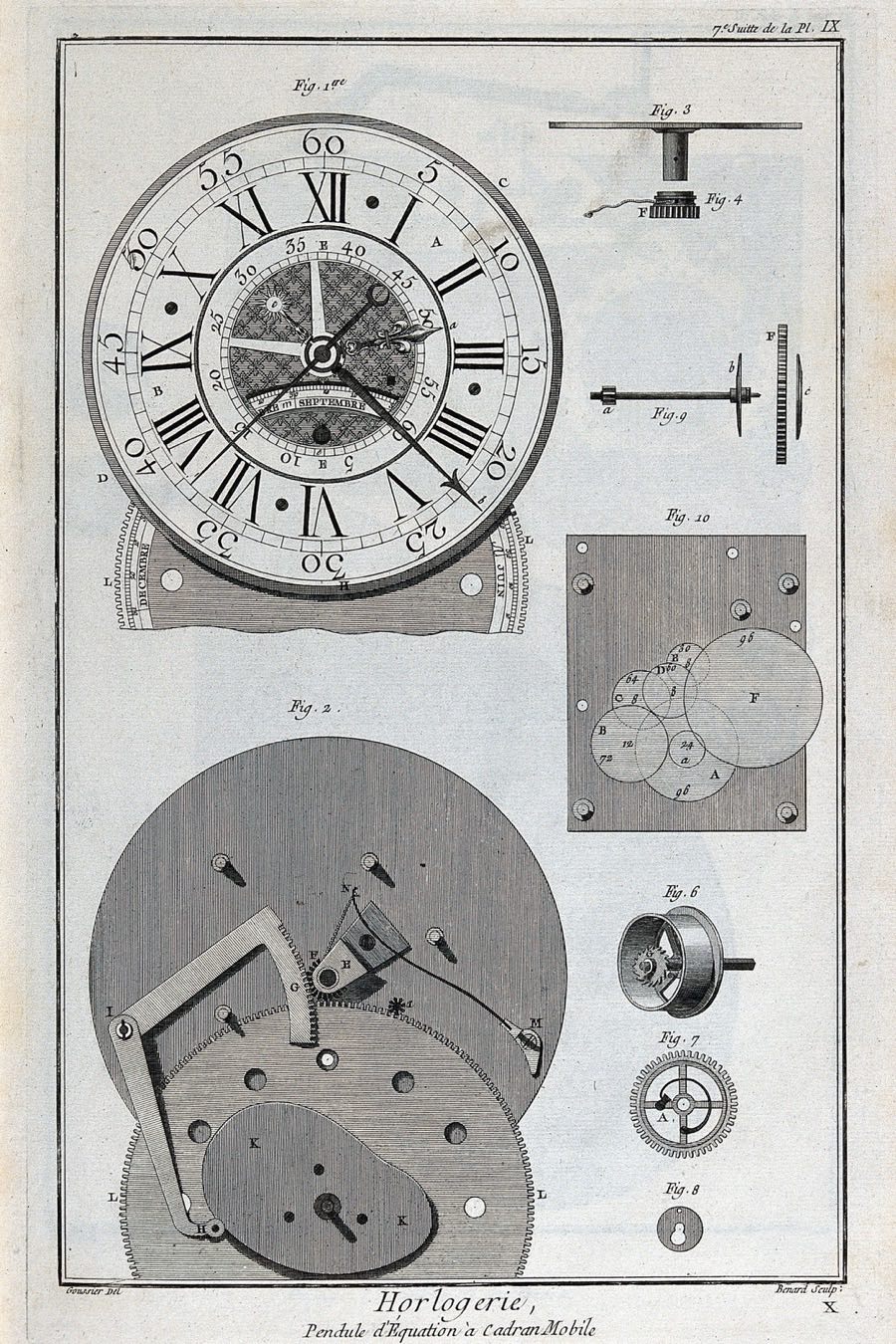
France and the science of horology
How Paris made watchmaking a science and then lost the industry to the east.
Era III, 1850 to 1930
The industrial watch
Watches are made by machines and networks in quantity, in America, Switzerland and Germany, and move from the pocket to the wrist.
1600 to 1930
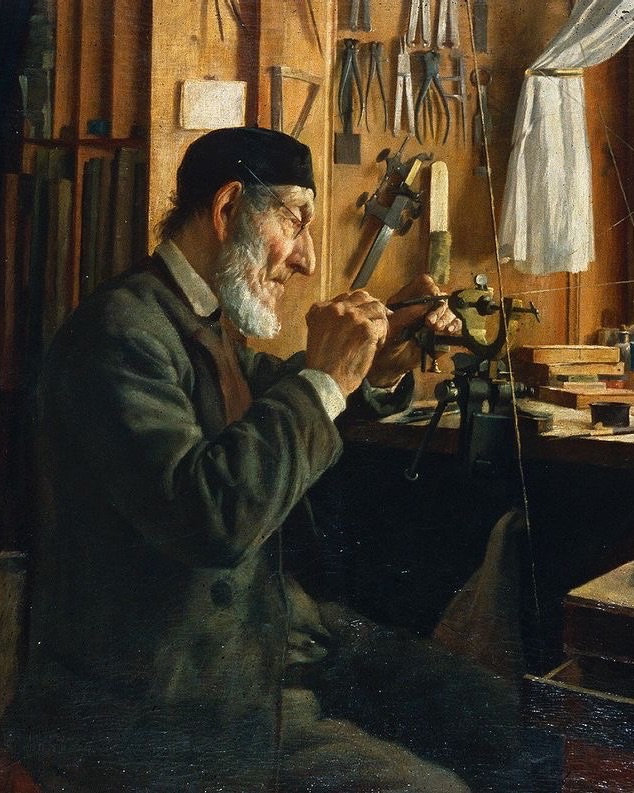
Switzerland’s network of specialists
How Swiss watchmaking grew as a network of specialists.
1850 to 1930
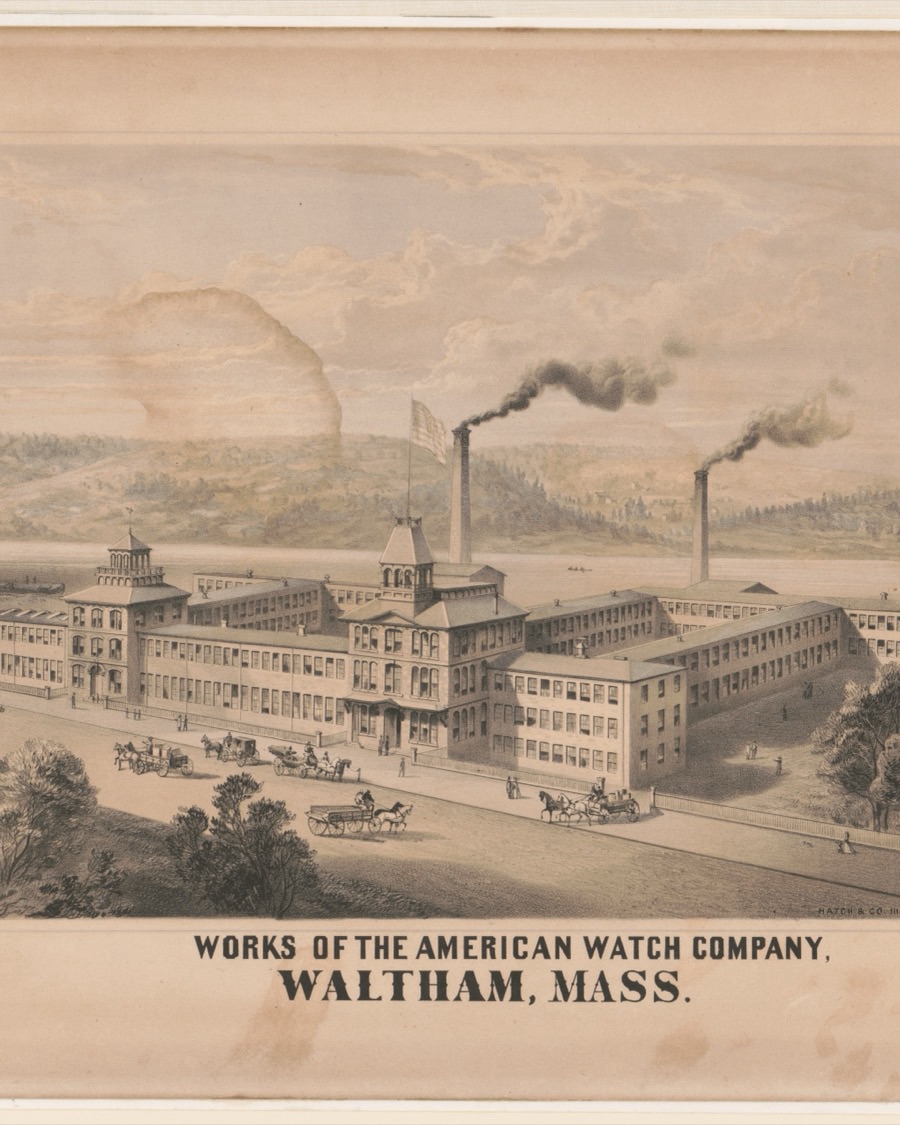
America industrializes the watch
How the United States turned watchmaking into machine production.
1750 to 1980
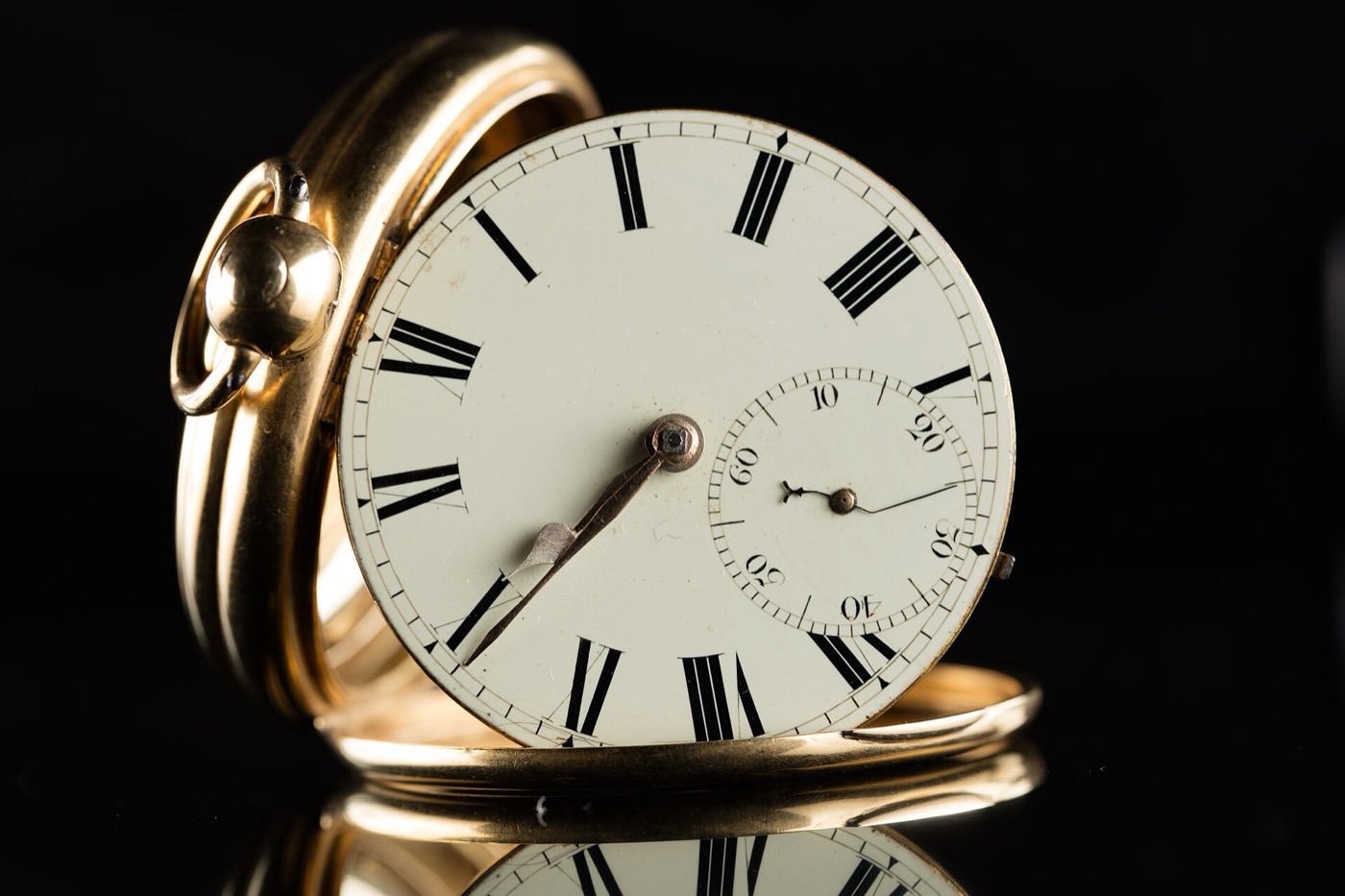
Britain’s watch industry
How Britain made watches by hand and lost the trade to the factory.
1880 to 1930
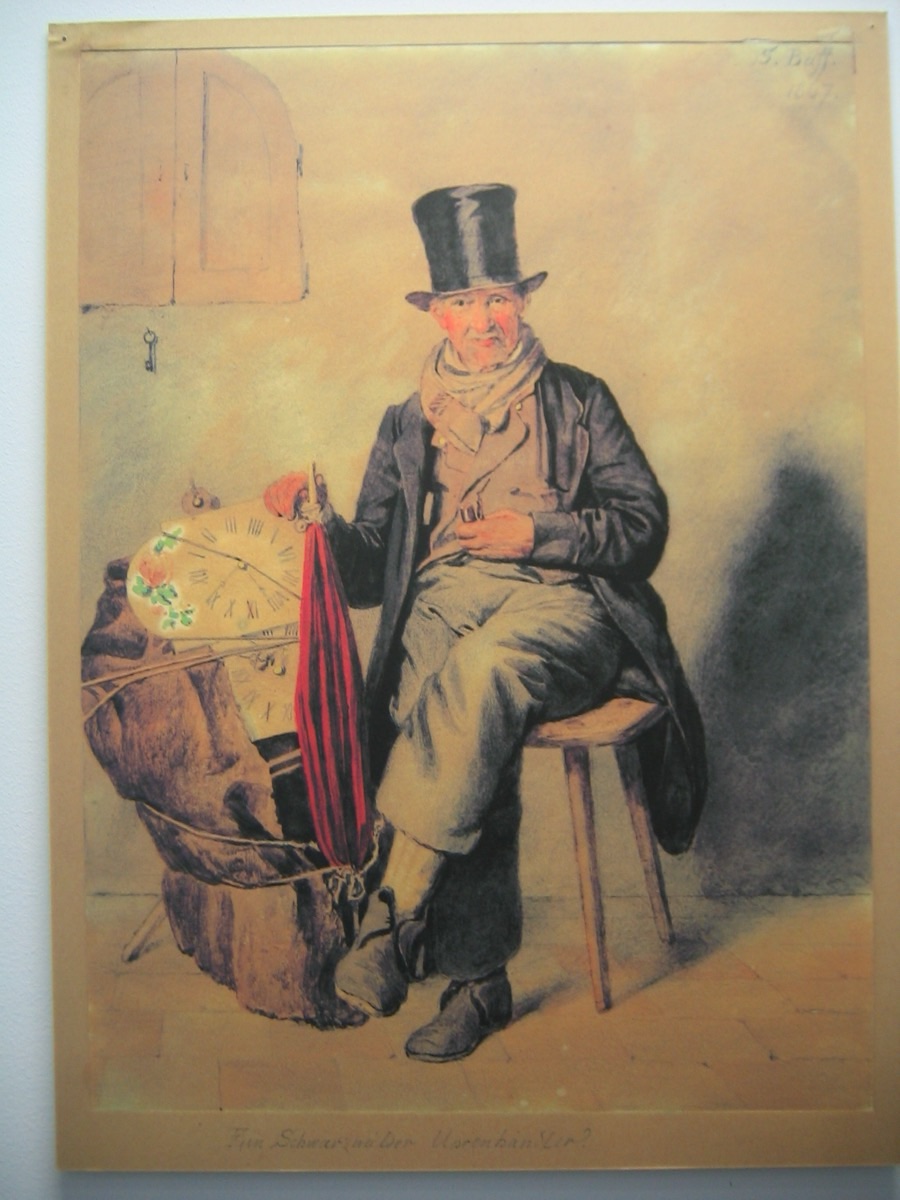
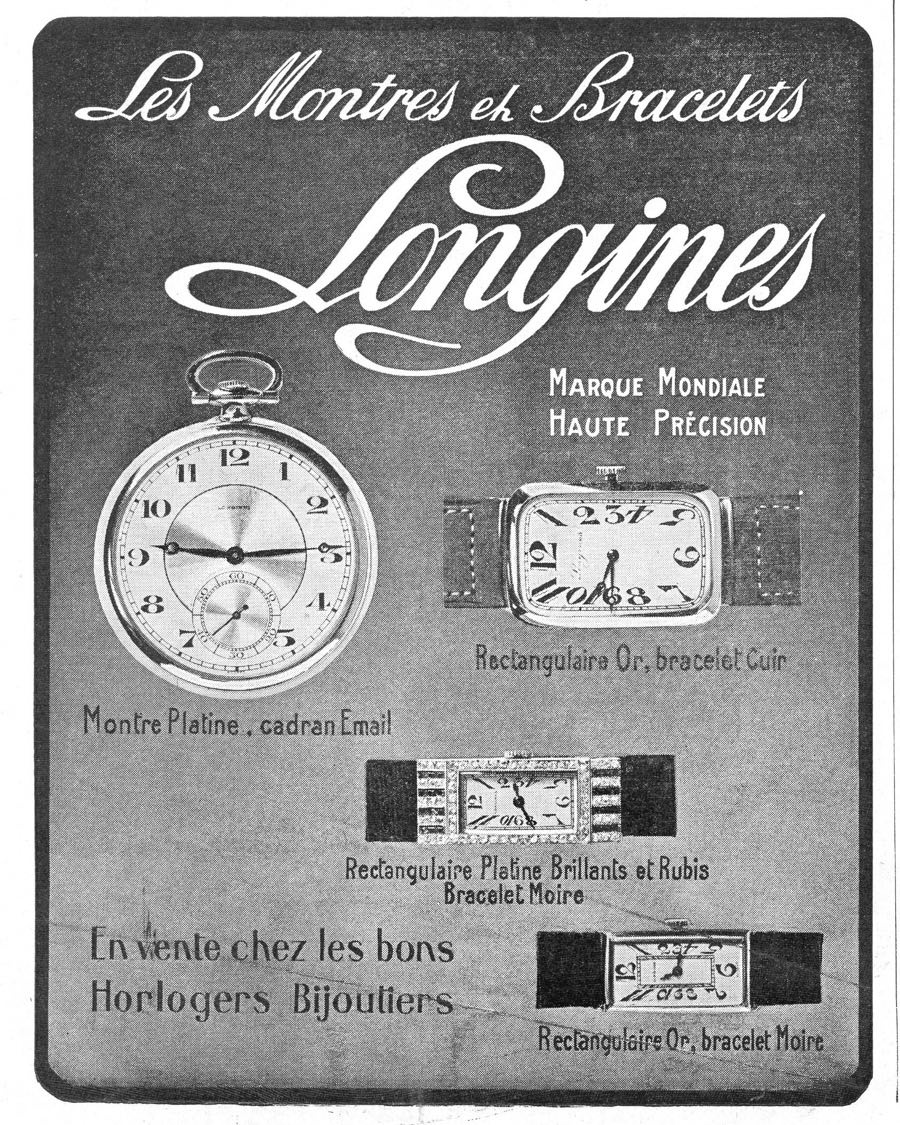
From the pocket to the wrist
How the wristwatch went from a woman’s bracelet to the ordinary watch between the 1880s and the 1930s.
Era IV, 1914 to 1990
War and new industries
Wars set the specifications, and new national industries are built in Japan, the Soviet Union and China.
1880 to 1960
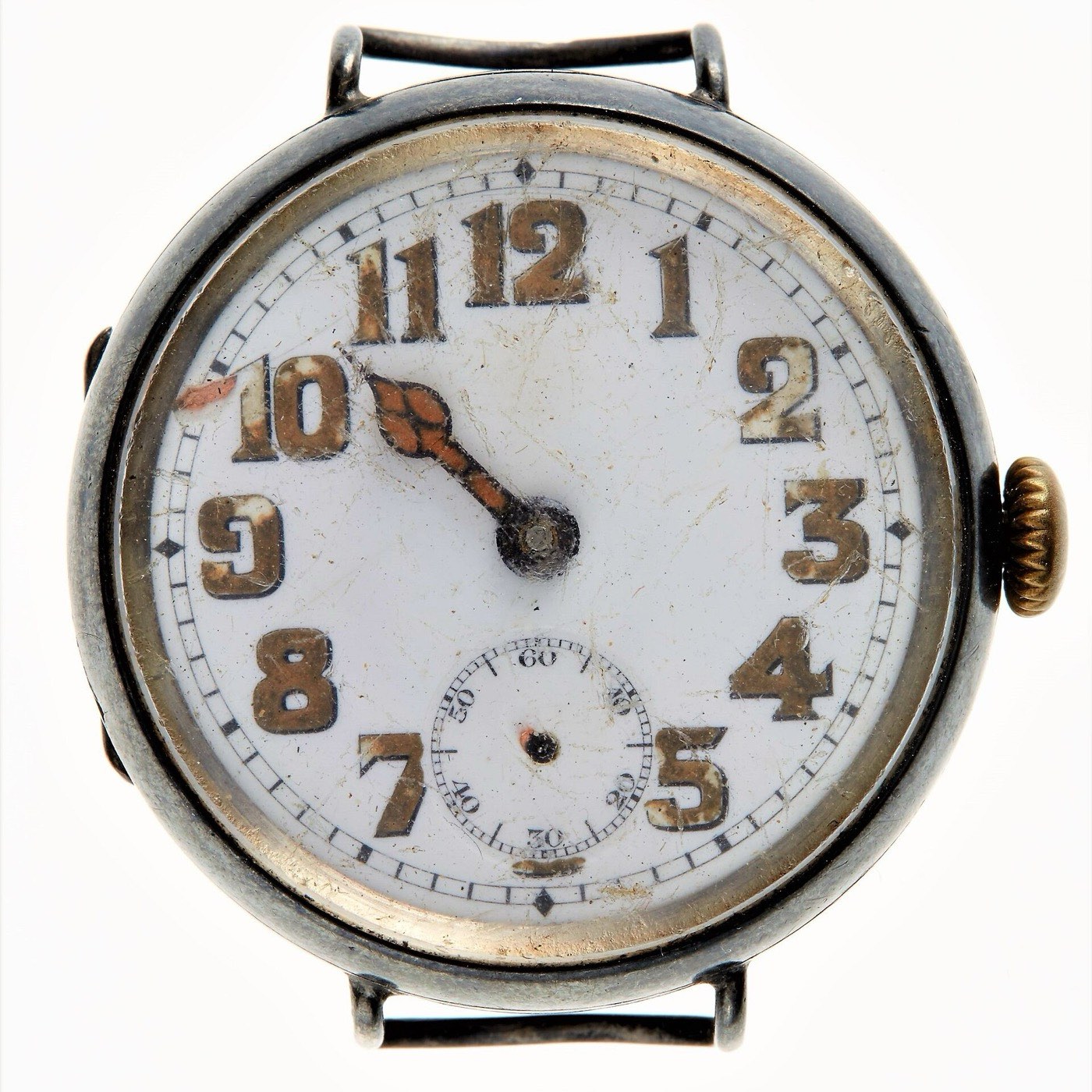
Watches go to war
How war moved the watch from the pocket to the wrist and set the rules it is still built to.
1873 to today
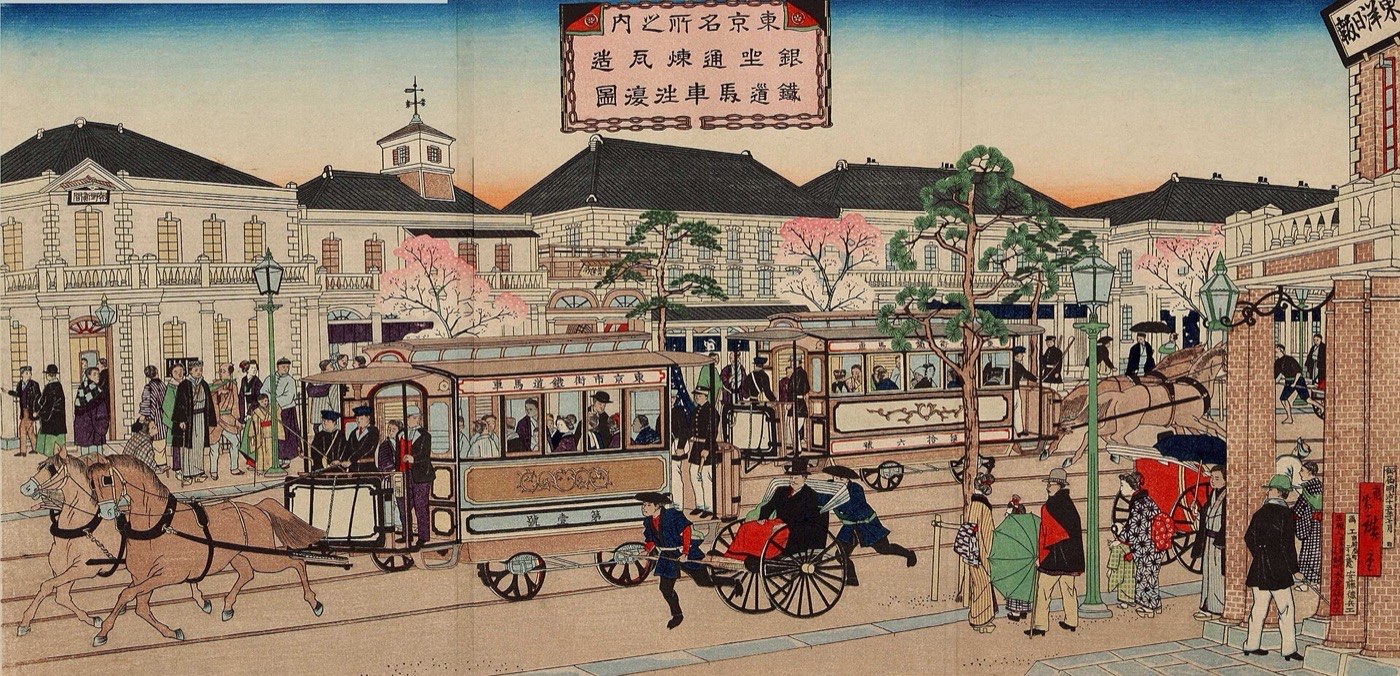
Japan builds a watch industry
How Japan built a watch industry after it gave up its temporal hours in 1873.
1930 to 1991
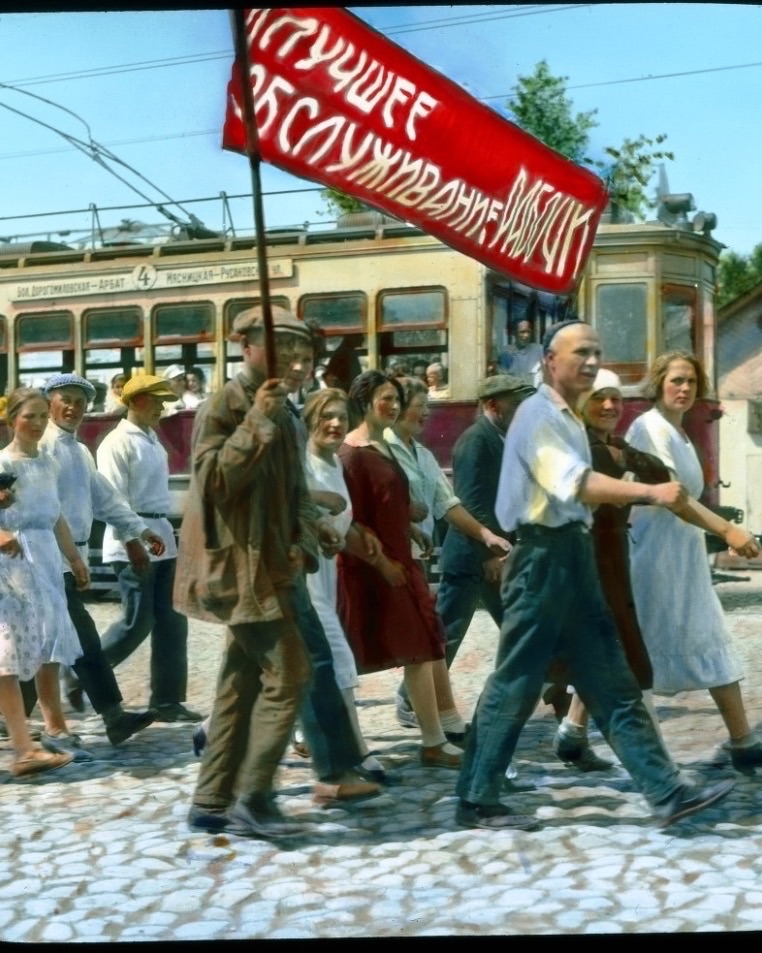
The Soviet watch industry
How the Soviet Union built a watch industry from nothing after 1930.
1950 to today
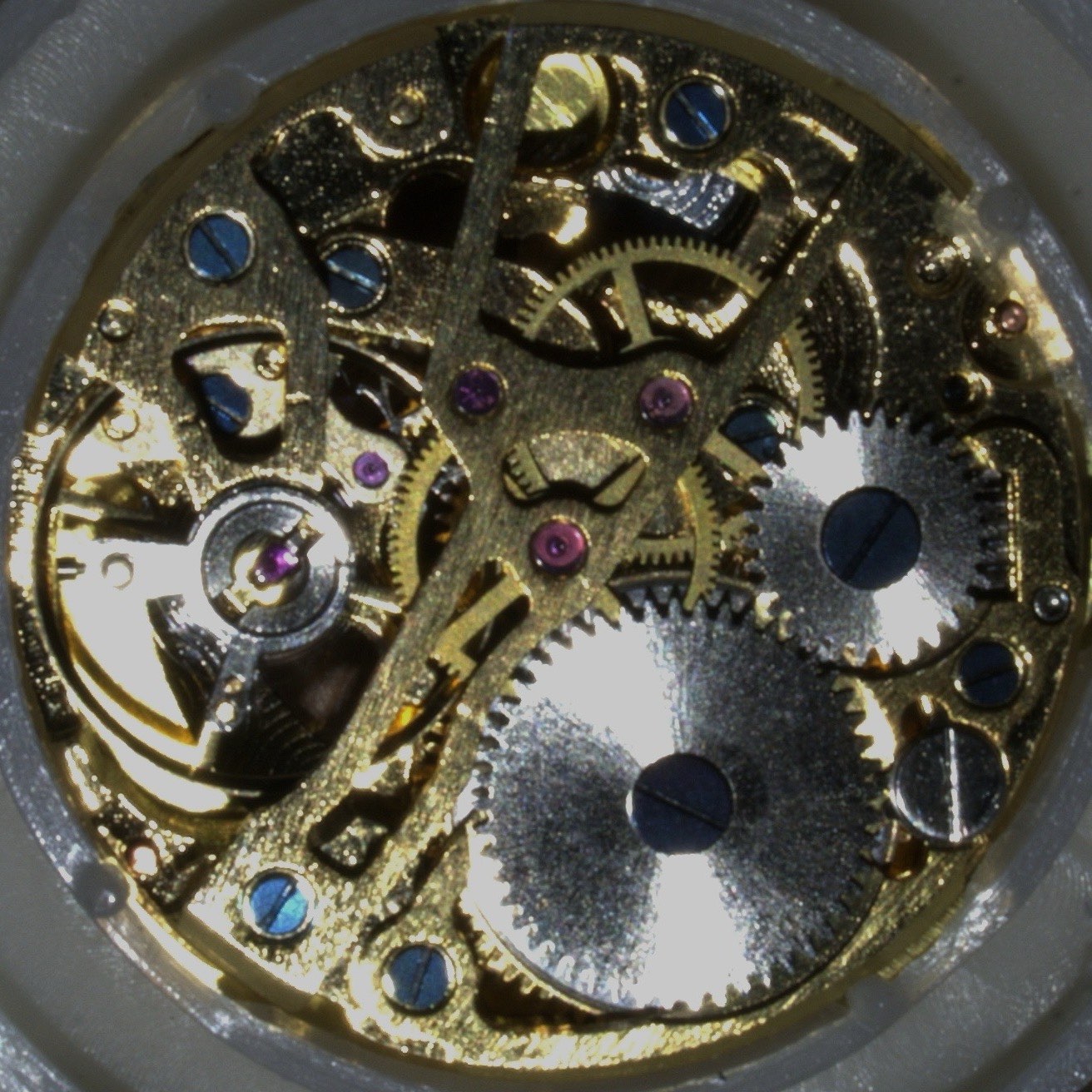
China builds a watch industry
How China, which had bought its watches and whose emperors had collected English and Swiss ones, came to make them.
1961 to today
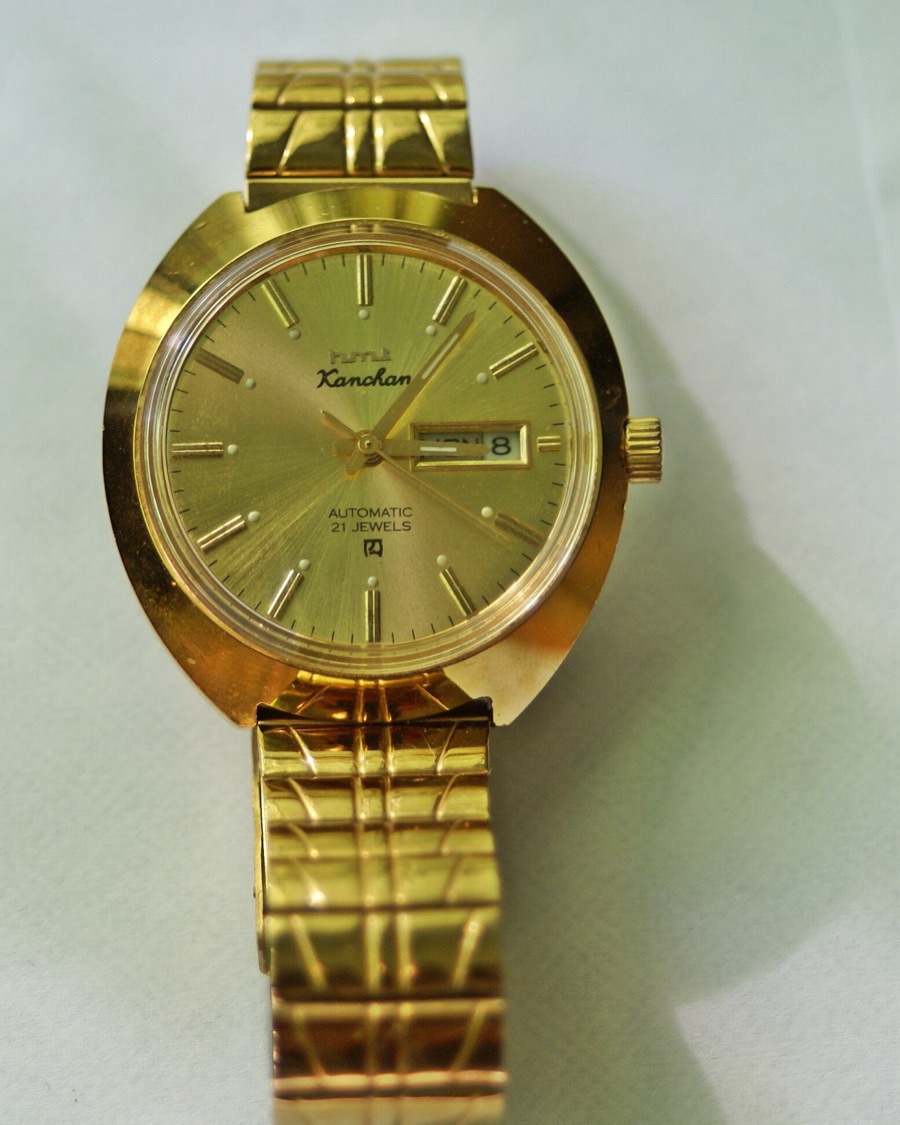
India builds a watch industry
How India, which had bought Swiss watches for a century, came to make its own.
Era V, 1952 to today
The electronic age and after
Electric and quartz watches upend the industry; groups consolidate it; the mechanical watch returns as craft.
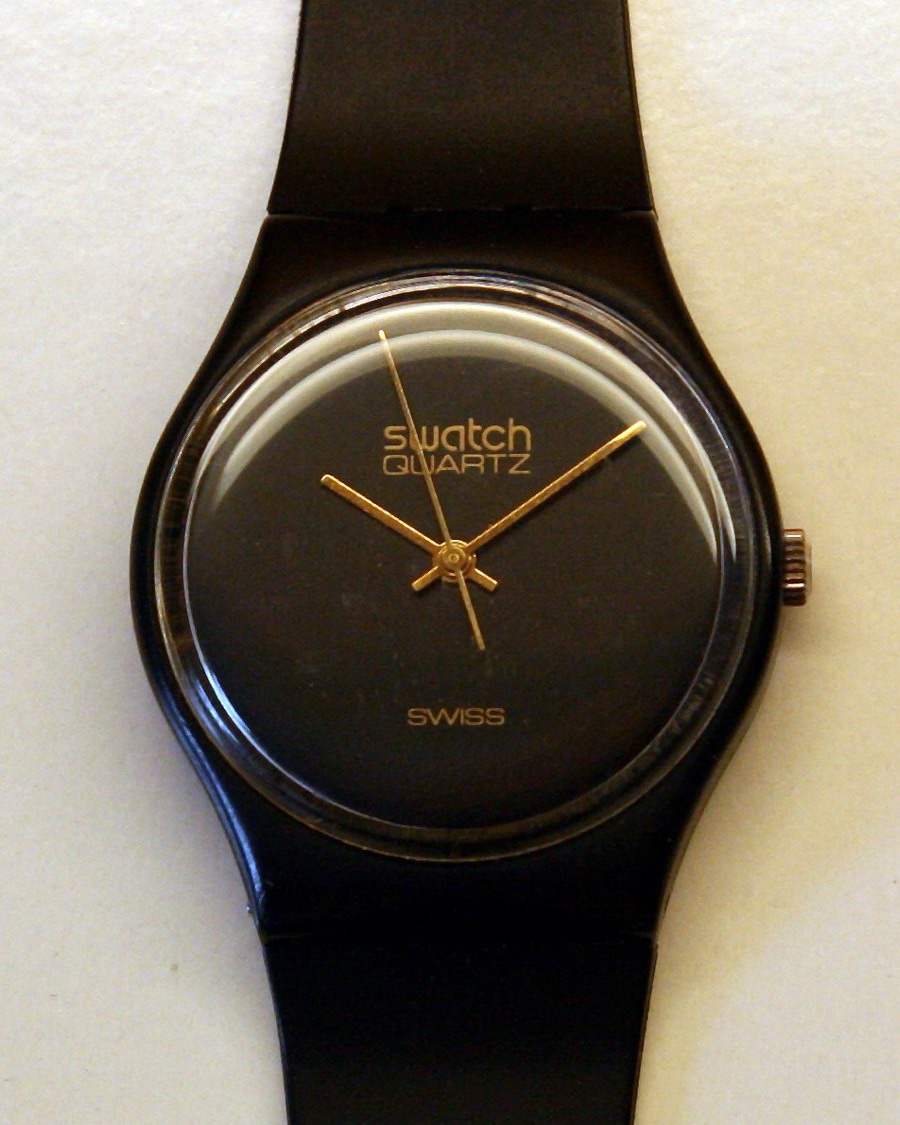
1970 to 2005
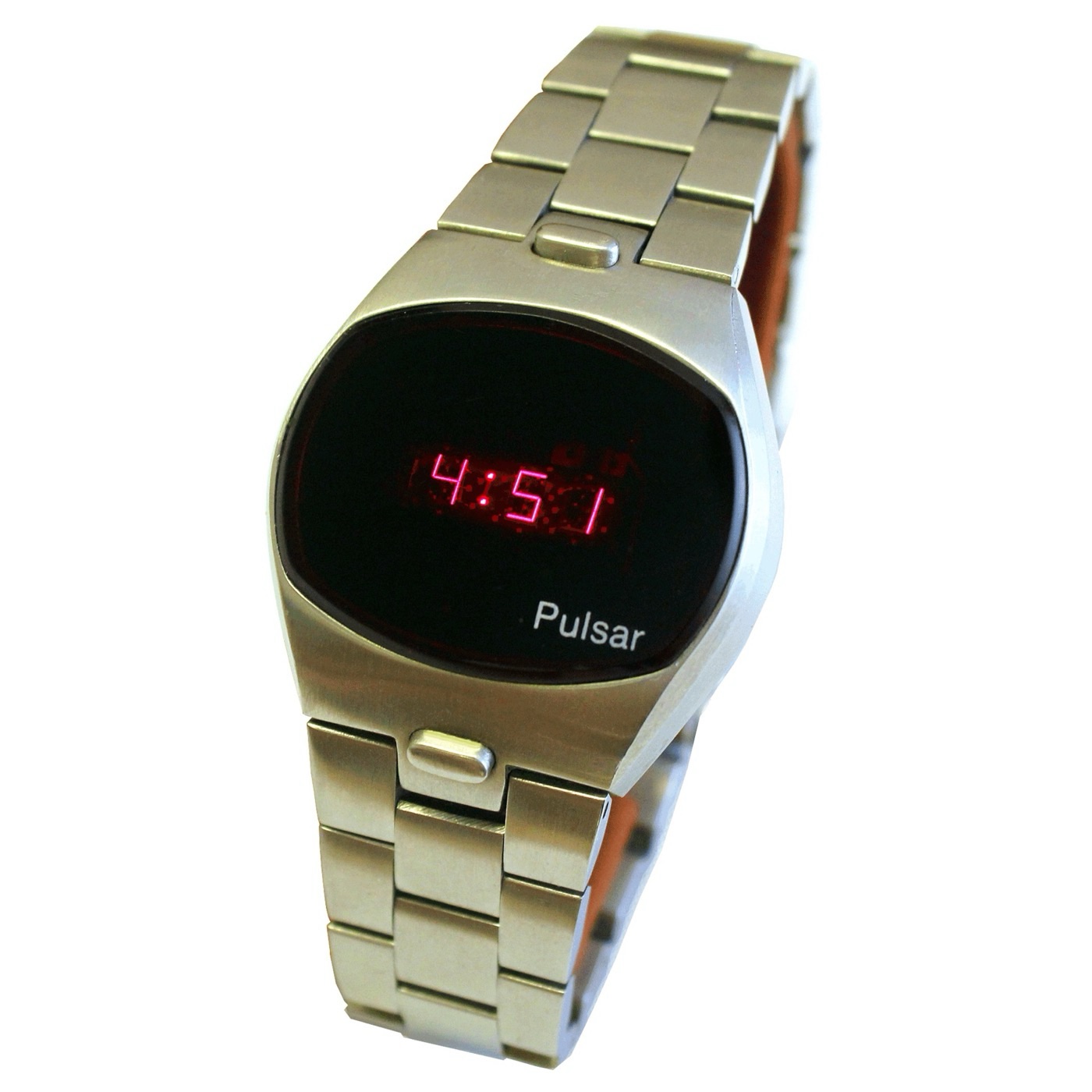
Crisis, consolidation and the groups
How the Swiss watch industry lost more than half its jobs after 1975 and was rebuilt as a few groups.
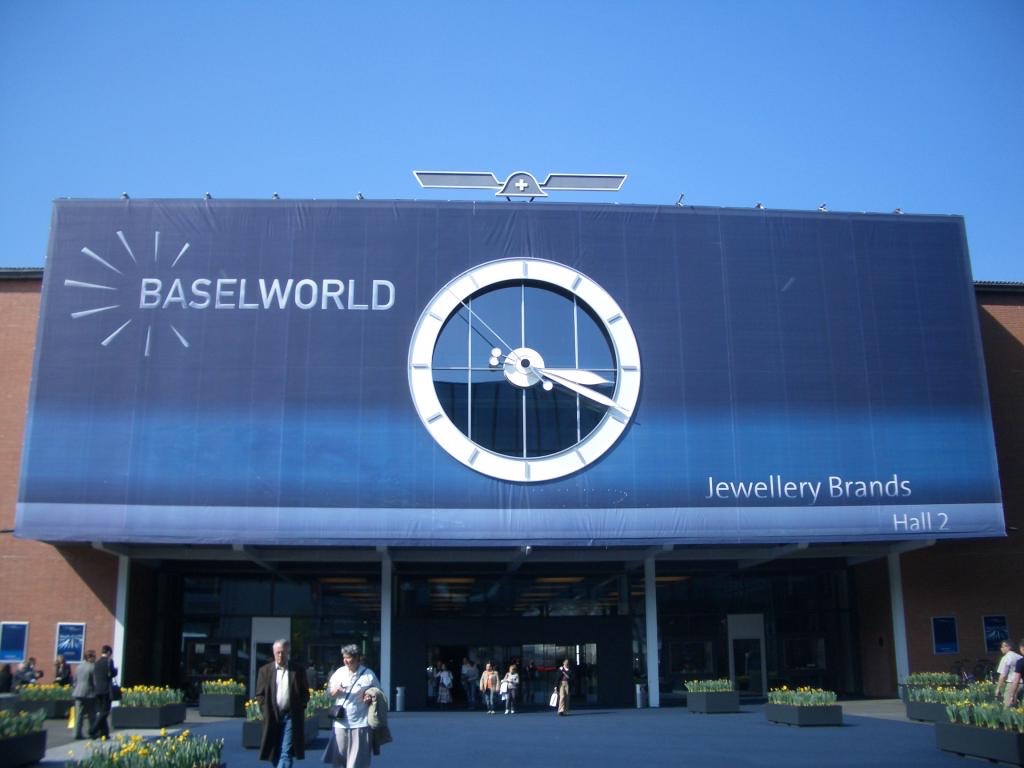
1980 to today
The mechanical revival and the independents
How the mechanical watch came back after quartz as craft, heritage and luxury.