Histories, Era V, The electronic age and after
Crisis, consolidation and the groups
1970 to 2005
How the Swiss watch industry lost more than half its jobs after 1975 and was rebuilt as a few groups: the strong franc after Bretton Woods, the banks and the Hayek report, the merger of SSIH and ASUAG into SMH, later the Swatch Group, ETA’s hold on movements and the competition cases it brought, and the arrival of Richemont, LVMH and Kering.

In short
In the 1970s the Swiss watch industry, which had made most of the world’s watches, lost more than half its jobs. Cheap electronic watches from Japan and America, a franc that grew dearer against the dollar and an industry split into hundreds of small firms all played a part, and historians still weigh them differently. Swiss banks paid for a rescue: the consultant Nicolas Hayek merged the two largest groups into what became the Swatch Group, launched the Swatch, and gathered the movement makers into one company, ETA. By 2000 most Swiss brands belonged to a few groups, the Swatch Group, Richemont and LVMH among them, and the question of who could buy ETA’s movements went to the competition authorities.1, 2, 3, 4, 5, 6, 7, 8, 14, 19, 28, 29, 30, 31
Part 1
The crisis in numbers
After nearly forty years of growth, Pierre-Yves Donzé writes, the Swiss watch industry went into recession in 1975. He counts exports of watches and movements rising from 24.2 million pieces in 1950 to a peak of 84.4 million in 1974, then averaging 31.3 million a year in 1982 to 1984.1
Counts of the jobs lost differ with the years chosen. Donzé gives almost 90,000 in 1970 and fewer than 47,000 in 1980; the Historical Dictionary of Switzerland about 70,000 in the mid-1960s, settling at 30,000 to 35,000 in the 1980s; swissinfo 90,000 cut to 34,000 by 1984; Wikipedia 90,000 in 1970 and 28,000 in 1988.1, 2, 11, 28
Counting firms is harder still. Wikipedia says the number of Swiss watchmakers fell from 1,600 to 600 between 1970 and 1983; Stephen Foskett, writing in Europa Star, points out that hundreds of new firms appeared as hundreds closed, and that twice as many Swiss companies exhibited at the Basel fair in 1980 as in 1960.11, 32
The Historical Dictionary calls the watchmaking arc of the Jura a stricken region. Grenchen, a town of ébauche factories, fell from 20,051 inhabitants in 1970 to 16,800 in 1980, and in Biel/Bienne watchmaking lost its dominant place during the 1980s.2, 18, 33, 34
The federal state answered with regional aid: the Historical Dictionary records that the Bonny decree was drawn up in 1978 for regions that lived from watchmaking and were hit by the structural crisis of 1975, and was renewed in 1994 and 2000.2
The technical side of the story, the quartz watch and the Japanese and American electronics firms that made it cheap, is told under the quartz crisis. The Historical Dictionary sums it up: the Swiss had mastered quartz but did not believe in it, and were overtaken by Japanese producers.2, 11
Part 2
The franc and the dollar
Under the Bretton Woods system the franc had been held at a fixed rate to the dollar. The Swiss National Bank stopped pegging the franc to the dollar in 1973; swissinfo dates the float to the end of January 1973, after a currency crisis in Italy drove investors into francs.3, 29
The franc then rose. swissinfo reports that in 1978 it gained 30 per cent against the dollar in nine months; Foskett gives the rate as 4.375 francs to the dollar under Bretton Woods, 2.5 in 1975 and a record 1.5 in October 1978, and writes that a Swiss watch cost three times as much in 1978 as a decade earlier.29, 32
How much of the crisis the franc explains is argued over. The Swiss foreign ministry’s portal lists a strengthening franc beside competition, digital watches and the recession after the oil crises, and IWC names the price of gold and a strong franc beside cheap quartz; Foskett argues the crisis was mainly economic, with quartz an accelerant. The Swatch Group’s history names recession and cheap Asian quartz watches and not the currency, and Donzé puts the weight on Swiss production methods losing ground before quartz.5, 14, 32, 35, 36, 37
Contemporaries named the money too. Foskett writes that SSIH’s management in 1972 listed inflation, technological renewal, the world monetary crisis and protectionism as the pressures that demanded structural change.32
The currency worked the other way later. Donzé writes that after 1985 the Swatch, a stronger yen following the Plaza Accord and the reorganisation of the Swiss industry let Switzerland regain ground on Japan.37
The strong franc pushed Swiss industry as a whole towards specialised, high-value goods. swissinfo reports the historian David Straumann warning that Switzerland risked “producing only luxury products, such as watches”.29
Part 3
The banks, the Hayek report and SMH
The two groups at the centre were creatures of the cartel years. SSIH was formed in 1930 by Omega and Tissot; ASUAG, set up in 1931 with federal capital in the years of the watch cartel, held the trusts that made ébauches, balances, hairsprings and escapement parts. As the cartel was loosened from 1962, ASUAG bought finished-watch brands: Rado in 1968, Mido in 1971, Certina and Longines in 1972.4, 5, 13
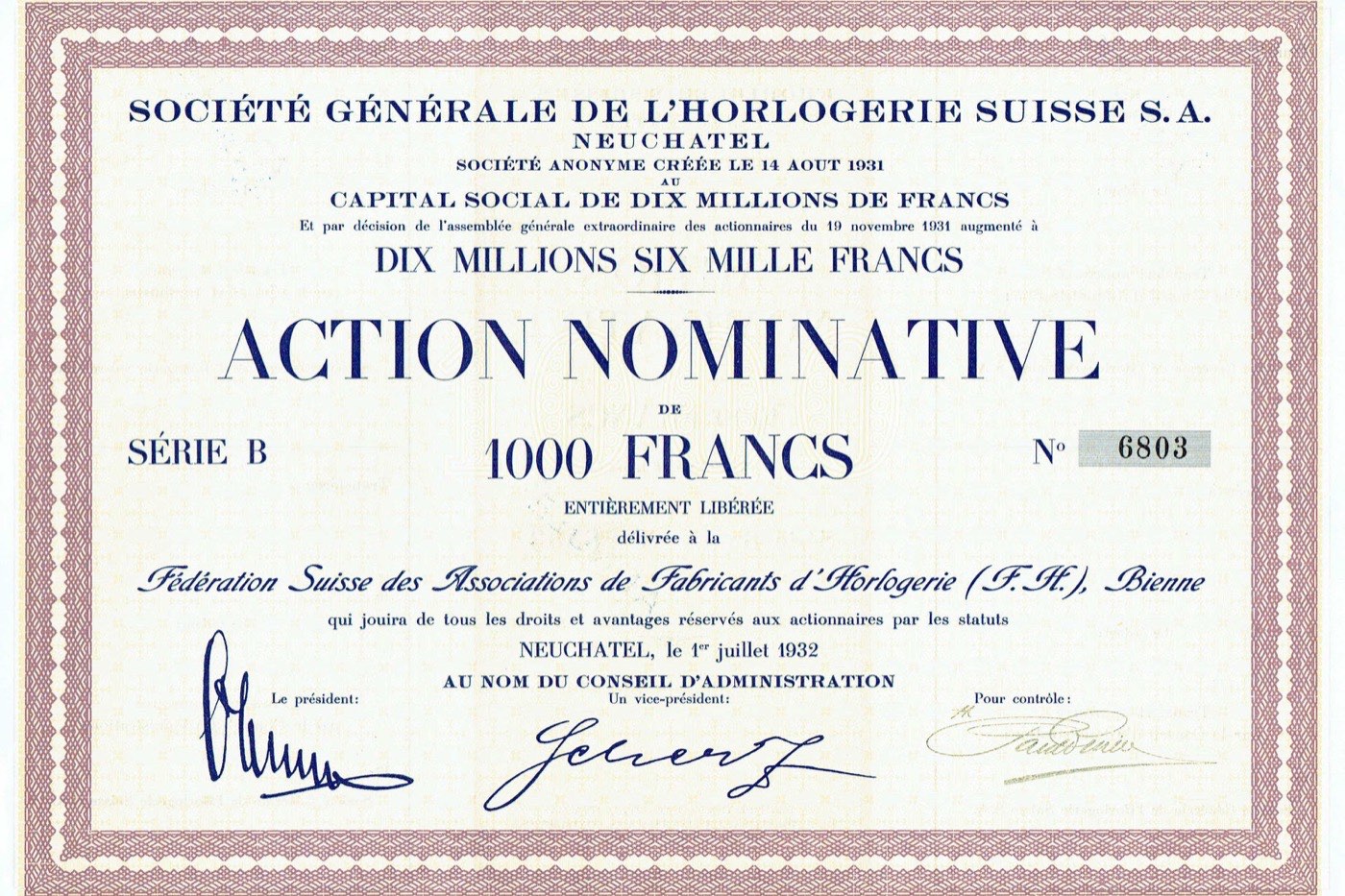
The banks carried them. The Historical Dictionary records that between 1981 and 1983 Swiss banks put more than 900 million francs into SSIH and ASUAG, hoping to get out again quickly; Donzé and the Swiss foreign ministry’s portal both say it was the banks who hired Nicolas G. Hayek as their consultant.1, 4, 14
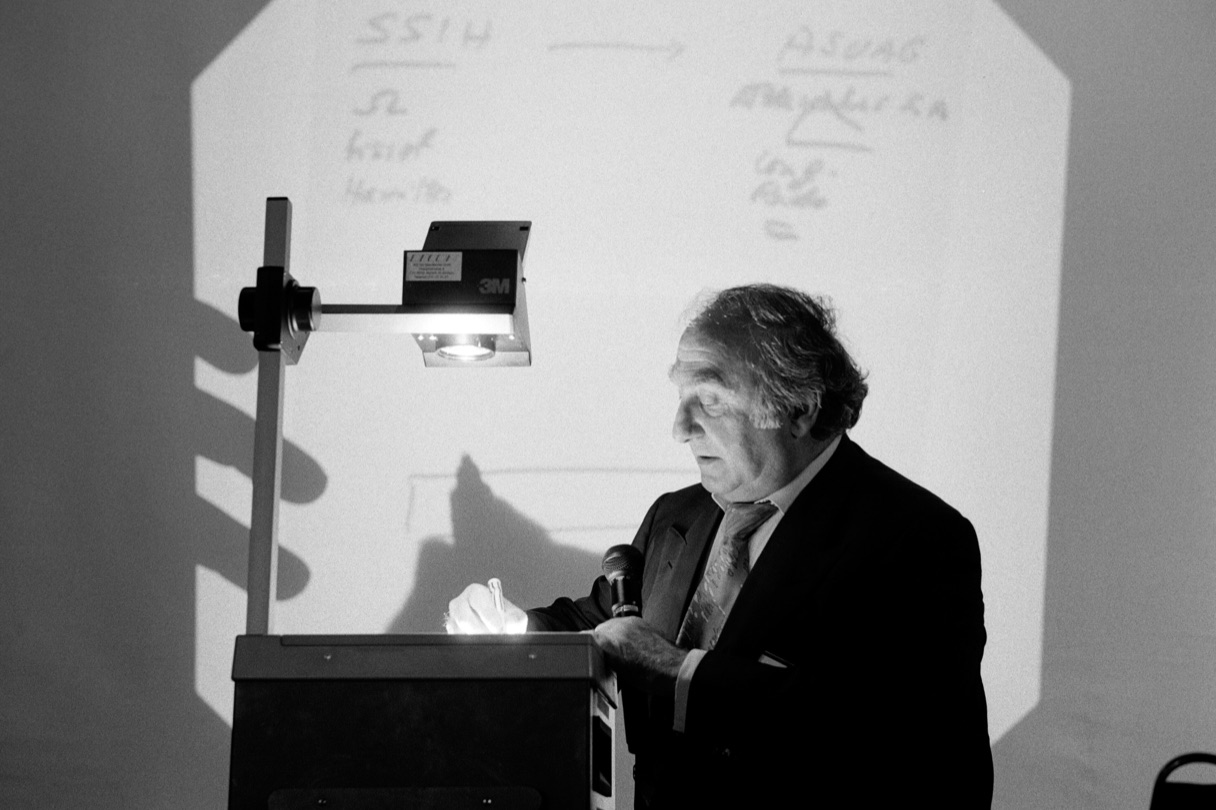
Hayek Engineering of Zurich made the audit the banks asked for, and the two groups merged in 1983. In 1985 Hayek and a group of investors bought 51 per cent of ASUAG-SSIH for 153 million francs, and the company took the name SMH, the Société suisse de microélectronique et d’horlogerie.4, 5, 40
The name is dated three ways: 1985 by the Historical Dictionary and the Swatch Group, 1983 by the Swiss foreign ministry’s portal, and 1986 by Wikipedia.4, 5, 11, 14
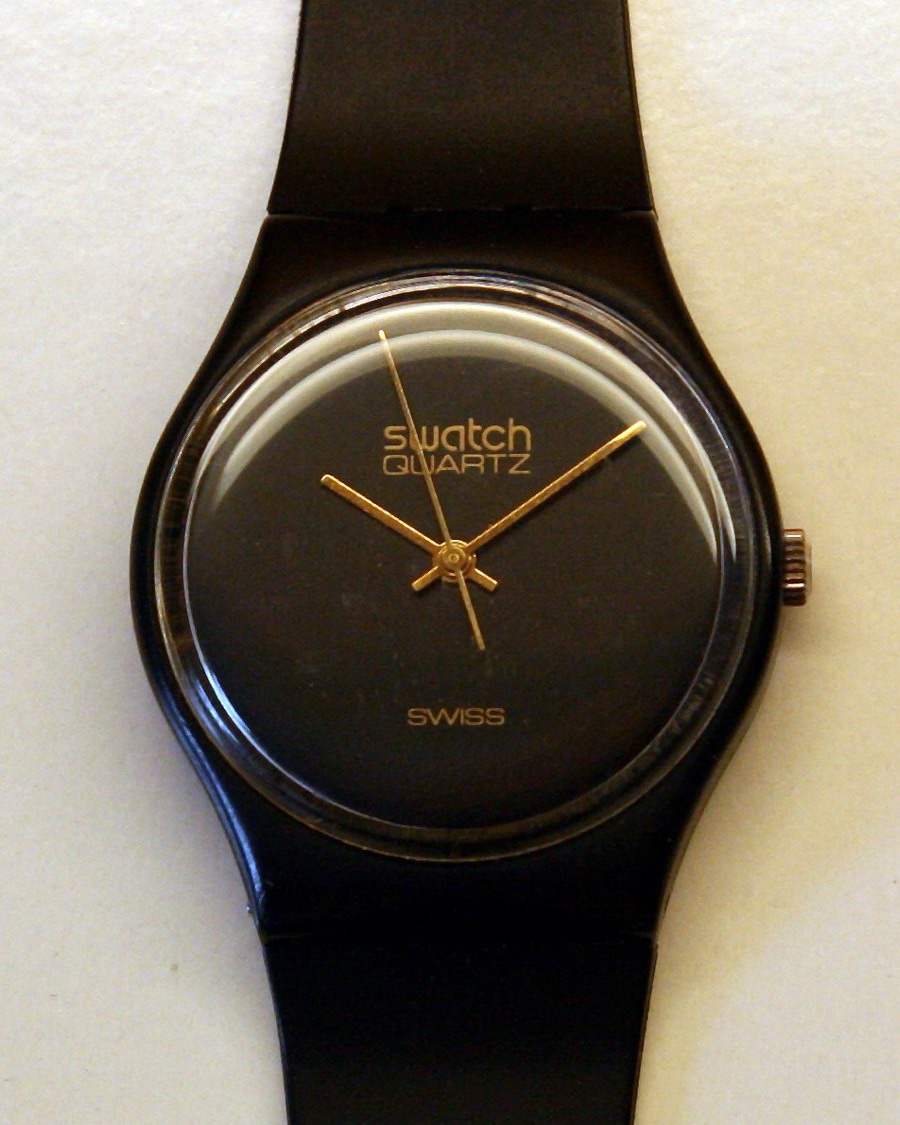
The Swatch carried the recovery, a cheap plastic quartz watch. Its launch is dated differently too: the Historical Dictionary says it was designed between 1979 and 1982 and launched in 1982; the foreign ministry’s portal gives the first collection of twelve models as shown in Zurich on 1 March 1983. The Historical Dictionary counts 10 million sold by 1985.2, 4, 5, 14
SMH was renamed the Swatch Group in 1998. By 2010, the Historical Dictionary records, it employed more than 25,000 people in more than fifty countries and held nineteen watch brands.4, 5, 14
Not every house stayed. The Historical Dictionary records that Eterna of Grenchen belonged to SMH from 1982 to 1984, then to Franz Wassmer’s Portland-Cement-Werke group until 1995, and after that to Ferdinand Alexander Porsche’s holding.41
Part 4
One movement maker: ETA
Inside the group the movement makers were folded together. A. Schild of Grenchen merged into ETA in 1978, ETA took over the operational management of Ebauches SA in 1982 and bought the Fontainemelon works in 1984, and ETA says it became a single company in 1985. The story is on the ETA and Ebauches SA pages.19, 30, 42, 43
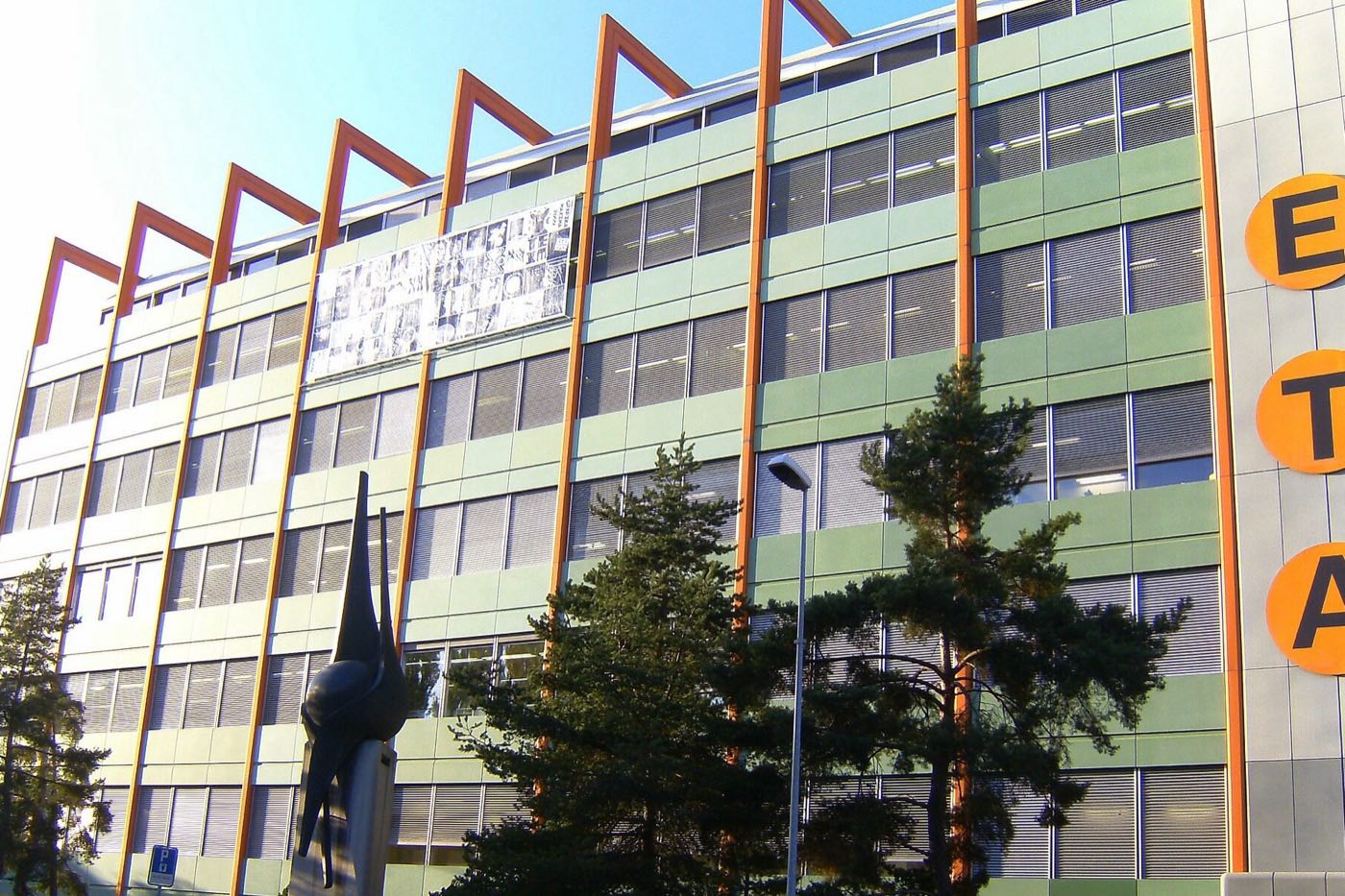
The result was a supplier the rest of the industry depended on. swissinfo reports that in 2004 the Competition Commission found ETA dominant in movement blanks up to 300 francs, with no alternative supplier; in 2013 swissinfo put the Swatch Group’s share of the Swiss movement market at roughly 60 per cent.16, 45
In July 2002 ETA told its customers that it would stop delivering ébauches from 2006. Donzé argues that the group’s hold on movements had mattered little for some twenty years, until it moved into luxury and finished watches and its customers became its rivals.6, 27, 46
The Competition Commission held ETA to its customers for eighteen years: a settlement of 2004 kept ébauches flowing to the end of 2010, a second, of 21 October 2013, phased out mechanical movements by the end of 2019, and on 15 July 2020 it imposed no new obligation, finding ETA still dominant but its customers with other sources. The case is told under The ETA supply dispute.7, 17, 47, 48
Part 5
The rise of the groups
By the early 21st century, the Historical Dictionary describes, most Swiss brands sat under a few large groups, the Swatch Group, the Movado Group, Richemont and LVMH among them; most were établisseurs again, buying movements and parts, some from Asia, and concentrating on marketing and distribution, while the few complete manufactures kept to the top of the market.2
Richemont gathered its watchmakers through Vendôme, its luxury holding of 1993: Vacheron Constantin in 1996 and Panerai in 1997, then in 2000 Les Manufactures Horlogères, owner of IWC, Jaeger-LeCoultre and A. Lange & Söhne.21, 31, 49
The Swatch Group bought Breguet from the investment firm Investcorp in 1999 and Glashütte Original in 2000. Those two years are the subject of the consolidation of 1999 and 2000.5, 20, 50
LVMH arrived in the same months. Its annual report records that TAG Heuer, Ebel, Chaumet and Zenith joined the group in that order in the second half of 1999, making a new Watches and Jewelry business group; LVMH said it meant to “act as consolidator in a fragmented sector” and called itself third in the world in luxury watchmaking.8, 22
LVMH added Hublot in 2008. Europa Star reports that it agreed in April 2008 to buy the firm from its founder of 1980, Carlo Crocco, and from a company controlled by Jean-Claude Biver, who had run it since 2004.51
The French group PPR, later Kering, came and went. National Jeweler reports that it took a minority stake in Sowind, the owner of Girard-Perregaux, in 2008, a majority in 2011, and bought Ulysse Nardin in 2014.52
On 24 January 2022 Kering announced that it would sell all of Sowind, with Girard-Perregaux and Ulysse Nardin, to the brands’ management, to give priority to houses with the potential to become sizable assets for the group.9, 52
Part 6
Owners across borders
American names passed to Swiss owners. Hamilton of Lancaster, Pennsylvania, had moved all its movement making to Switzerland in 1969 and was bought by SSIH, which brought it into the Swatch Group; Wikipedia dates the purchase to 1971 in one place and 1974 in another, and the Swatch Group gives no year.23, 24
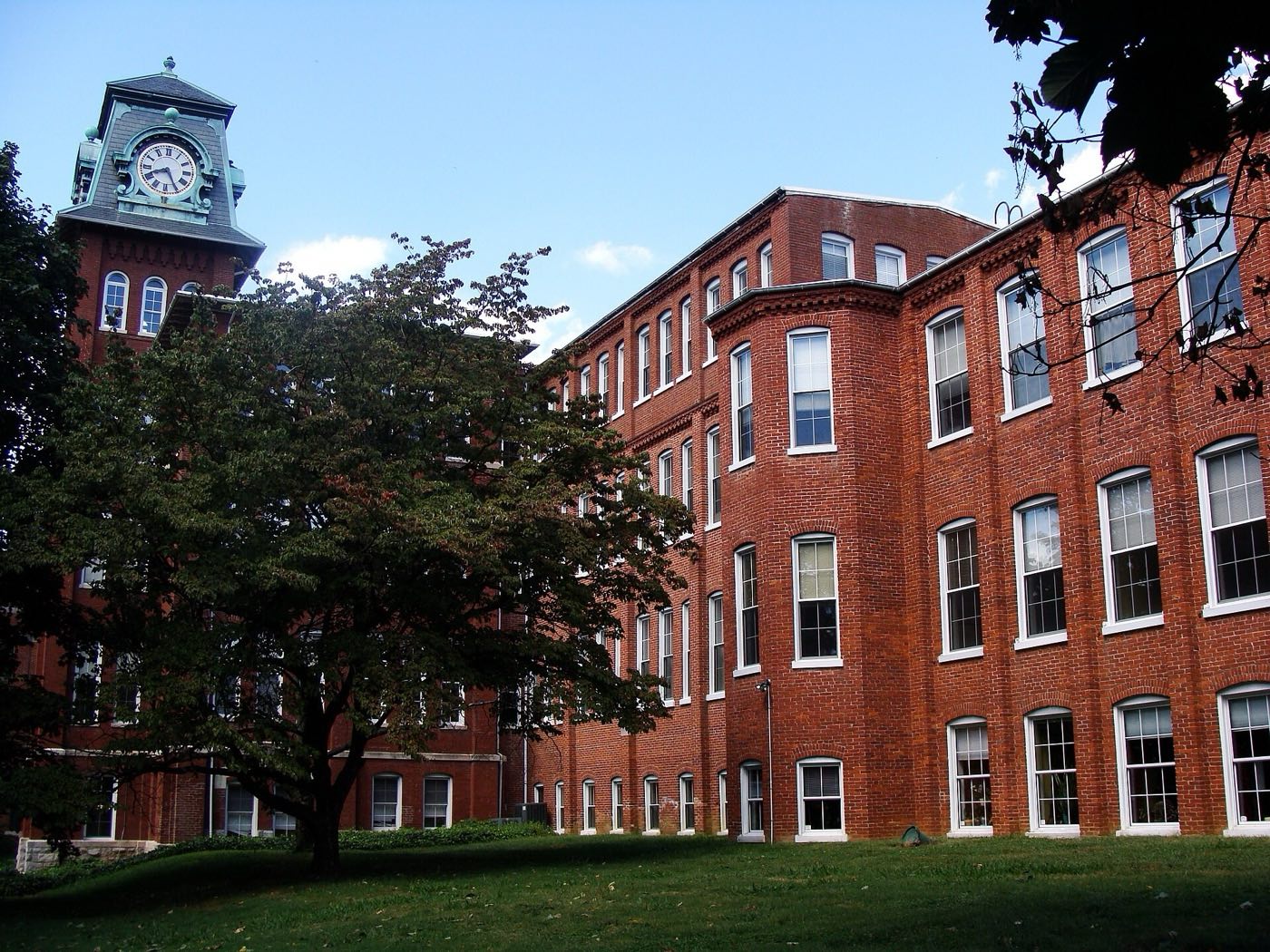
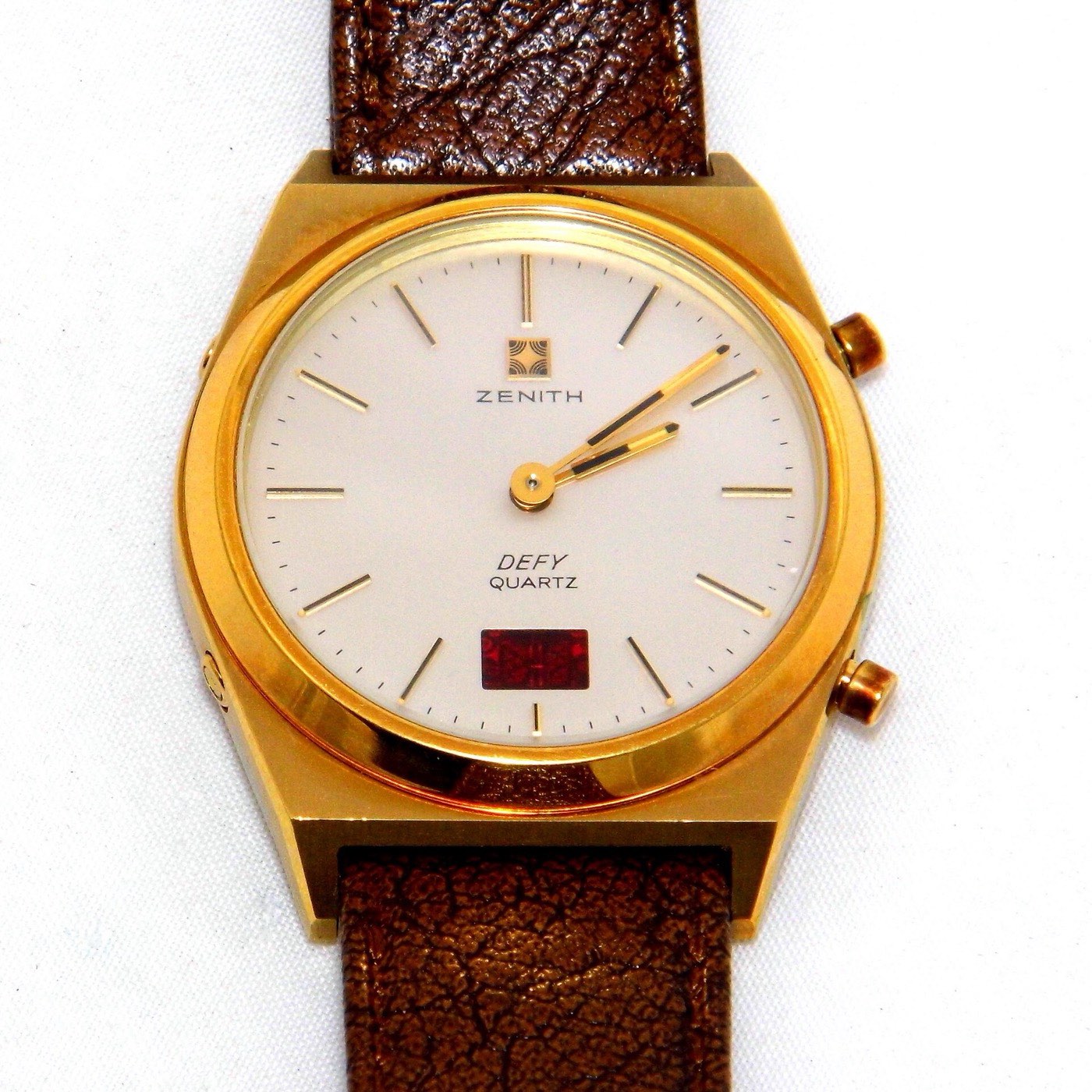
Ownership ran the other way too. Zenith of Le Locle passed in 1972 to an American buyer, the Zenith Radio Corporation, in 1978 to the Le Locle machine-tool maker Dixi, and in 1999 to LVMH.8, 54, 55
Owners from outside watchmaking came in. The German instrument maker VDO bought IWC in 1978, and Breguet belonged from 1987 to the investment firm Investcorp; both later went to the groups.20, 35, 57
Old names became brands to buy. Wikipedia says that the Waltham company became Waltham Precision Instruments in 1957 and that the name passed to other firms for watches. JCK reported in 2002 that the American fashion-watch company Fossil had bought the worldwide rights to the Zodiac name in October 2001, and in November three Swiss suppliers, Montres Antima, Meliga Habillement Horloger and Synergies Horlogères.58, 59
Japanese firms bought too. JCK reports that Citizen completed its purchase of the American Bulova company from Loews for 250 million dollars in January 2008, describing itself as committed to becoming a multi-brand company.60
Part 7
What consolidation changed
Work moved inside the groups. In the Swatch Group, the Historical Dictionary records, production was gathered at Grenchen while direction and marketing stayed in Biel/Bienne.34
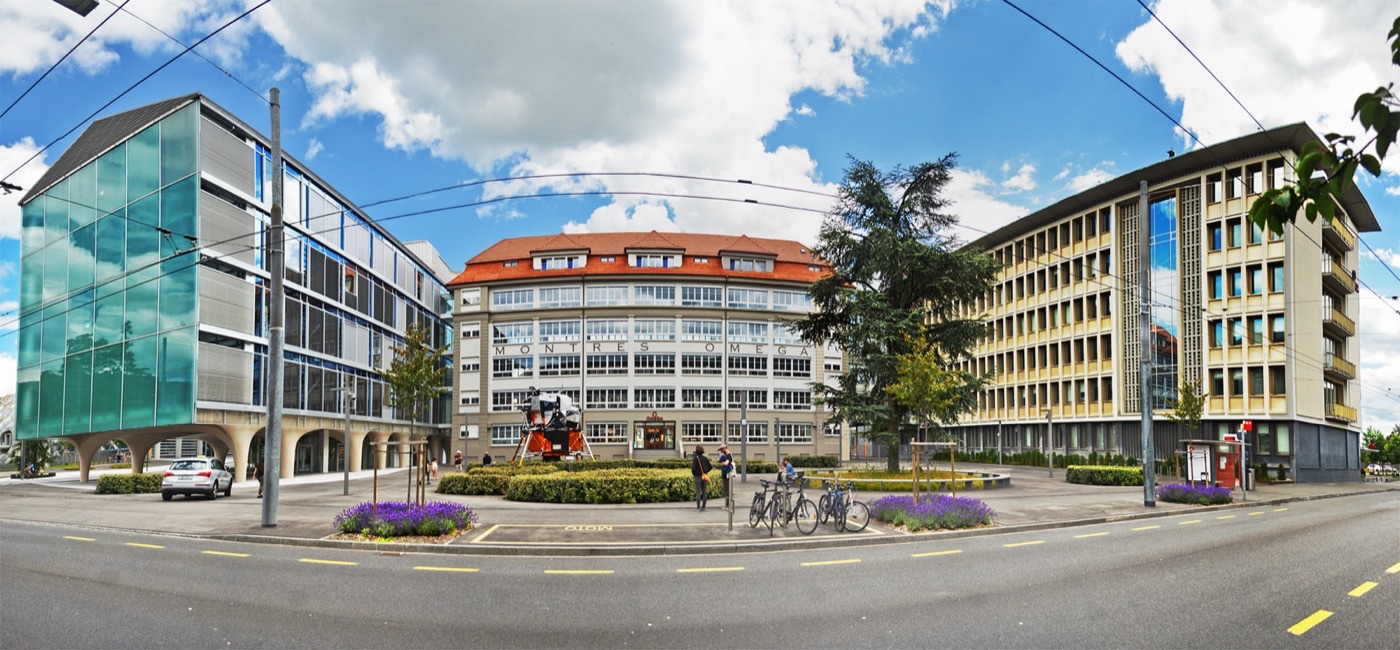
The groups bought their suppliers. LVMH’s report of 1999 describes its new watch group as active at every stage from making movements to distribution, with Zenith supplying movements to other upscale brands; the Swatch Group owns makers of movements, hands, dials, crowns and cases, and Richemont bought the movement maker Minerva in 2006 and the case maker Donzé-Baume in 2007.8, 31, 62
The quarrel over ETA turned movements into a mark of standing and pushed others to build their own. The Competition Commission found in 2020 that ETA’s customers had diversified, that Sellita had grown into the main alternative, and that demand for Swiss-made mechanical movements had fallen considerably. How brands then sold the movements made in their own works is part of the mechanical revival.27, 48
Research changed shape as well. The Historical Dictionary records that after the crisis of the mid-1970s the Confederation paid for work on miniaturised electronic components, and that by the end of the millennium a third of watch establishments worked partly outside watchmaking.2
The rules on origin were rewritten for the new industry: the Historical Dictionary notes that the Swiss Made criteria were set in an ordinance of 1971 and revised in 1992, requiring a Swiss movement, Swiss parts for at least half the value and assembly in Switzerland.2
Through this history
The companies, people, technologies, objects and events this chapter is made of, in the order the story meets them.
Event
The quartz crisisThe shock that opened the chapter: Swiss watch exports and jobs collapsed after 1975 as cheap quartz watches spread.2, 11
Object
The original SwatchThe Swatch Group says this 51-part plastic watch of 1983, assembled by machine, gave the initial spark to the industry’s upswing.5, 15
Event
The luxury-group consolidationFifteen months in which old houses passed to the Swatch Group, LVMH and Richemont.8, 20, 21
Event
The ETA supply disputeEighteen years in which the Competition Commission held ETA to supplying the rest of the industry.6, 7, 17
Event
The pandemic watch boom and correctionThe groups’ largest shock since the quartz crisis: exports down 21.8 per cent in 2020, then records in 2022 and 2023.25, 26
Key dates
- 1973
The Swiss National Bank stops pegging the franc to the dollar.3, 29
- 1975
The Swiss watch industry enters recession after decades of growth.1, 2
- 1983
ASUAG and SSIH merge, on a plan the banks commissioned from Hayek Engineering.4, 5
- 1985
Hayek and partners buy 51 per cent; the company becomes SMH.4, 5
- 1998
SMH becomes the Swatch Group.4, 5, 14
- 1999
LVMH forms its watch group around TAG Heuer, Ebel, Chaumet and Zenith.8, 22
- 2002
ETA announces it will stop supplying ébauches from 2006; Sellita goes to the Competition Commission.6, 16
- 2020
The Competition Commission imposes no new supply obligation on ETA.17, 48
Where this leads
- Before, Era VThe electric and quartz revolution
1952 to 1990
- After, Era VThe mechanical revival and the independents
1980 to today
Where Crisis, consolidation and the groups lead
- In this story, PlaceBiel/Bienne
Biel's ASUAG merged with SSIH in 1983 to form the group now called the Swatch Group, based in Biel.4, 34
- In this story, PlaceLa Chaux-de-Fonds and Le Locle
The Historical Dictionary records that La Chaux-de-Fonds lost more than 2,000 jobs in 1975, mostly in watchmaking.63
- In this story, PlaceSchaffhausen
IWC was bought by VDO in 1978 and passed with Les Manufactures Horlogères to Richemont in 2000.35, 64
- See also, HistoryMaking watches today
Monochrome reports that the Swatch Group announced in 2002 that ETA would stop supplying movement kits to other firms; COMCO’s settlement phased the supply out by 2020.65, 66, 67
- See also, HistoryThe mechanical revival and the independents
Donzé dates the entry of the luxury groups into watches to Richemont in 1988 and LVMH in 1999.27
Facts and sources
- Period
- About 1970 to 2005, with the movement dispute running to 20201, 4, 17
- Where
- The Swiss Jura arc above all: Biel/Bienne, Grenchen, Neuchâtel, Le Locle; groups based in Biel, Geneva and Paris2, 4, 8, 34
Sources
- 1
- 2
- 3
- 4
- 5
- 6
- 7
- 8
- 9
- 10
- 11
- 12
- 13
- 14
- 15
The Swatch celebrates its 20th birthday (opens in a new tab)
- 16
Watch firm agrees to supply competitors (19 November 2004) (opens in a new tab)
- 17
Décision de la COMCO concernant les mouvements ETA (15 July 2020) (opens in a new tab)
- 18
- 19
- 20
The Swatch Group Ltd. acquires Groupe Horloger Breguet from Investcorp S.A. (opens in a new tab)
- 21
- 22
- 23
- 24
- 25
- 26
- 27
- 28
Business booms but tricky times lie ahead (Marzio Pescia, 11 July 2006) (opens in a new tab)
- 29
When the franc had to learn to float (26 February 2023) (opens in a new tab)
- 30
- 31
- 32
Debunking the quartz crisis (July 2022) (opens in a new tab)
- 33
- 34
- 35
- 36
Did Quartz Really Kill the Swiss Watch Industry in the 70s? (Cedric Chin) (opens in a new tab)
- 37
- 38
- 39
23. Internationales Management-Gespräch: Nicolas G. Hayek (opens in a new tab)
- 40
- 41
- 42
- 43
- 44
The ETA watch factory in Grenchen, photographed in October 2009. (opens in a new tab)
- 45
Swatch freed from supplying rivals with parts (25 October 2013) (opens in a new tab)
- 46
Watchmaking giants face off in ten-year dispute (26 August 2013) (opens in a new tab)
- 47
- 48
Presserohstoff: WEKO-Entscheid zu ETA-Uhrwerken (15 July 2020) (opens in a new tab)
- 49
- 50
Acquisition of Glashütter Uhrenbetrieb GmbH (opens in a new tab)
- 51
LVMH acquires the Swiss watchmaker Hublot (April 2008) (opens in a new tab)
- 52
Kering sells Girard-Perregaux, Ulysse Nardin (25 January 2022) (opens in a new tab)
- 53
- 54
- 55
- 56
- 57
- 58
- 59
Fossil Enters Swiss Watch Business (1 February 2002) (opens in a new tab)
- 60
Citizen completes acquisition of Bulova (11 January 2008) (opens in a new tab)
- 61
- 62
- 63
- 64
Acquisition of Les Manufactures Horlogères SA completed (opens in a new tab)
- 65
Inside Sellita, the giant supplier of mechanical movements (opens in a new tab)
- 66
WEKO stellt Verfahren gegen ETA ein (press release, 31 July 2014) (opens in a new tab)
- 67
Presserohstoff: WEKO-Entscheid zu ETA-Uhrwerken (15 July 2020) (opens in a new tab)
Sources read November 12, 2026.