LVMH
The French luxury group formed in 1987 that entered watchmaking in 1999 by buying TAG Heuer, Ebel, Chaumet and Zenith, added Hublot in 2008 and Bulgari in 2011, and is one of the few groups that own most Swiss watch brands. This page covers its watchmaking.
Founded 1987, by the merger of Moët Hennessy and Louis Vuitton
In the history Crisis, consolidation and the groups
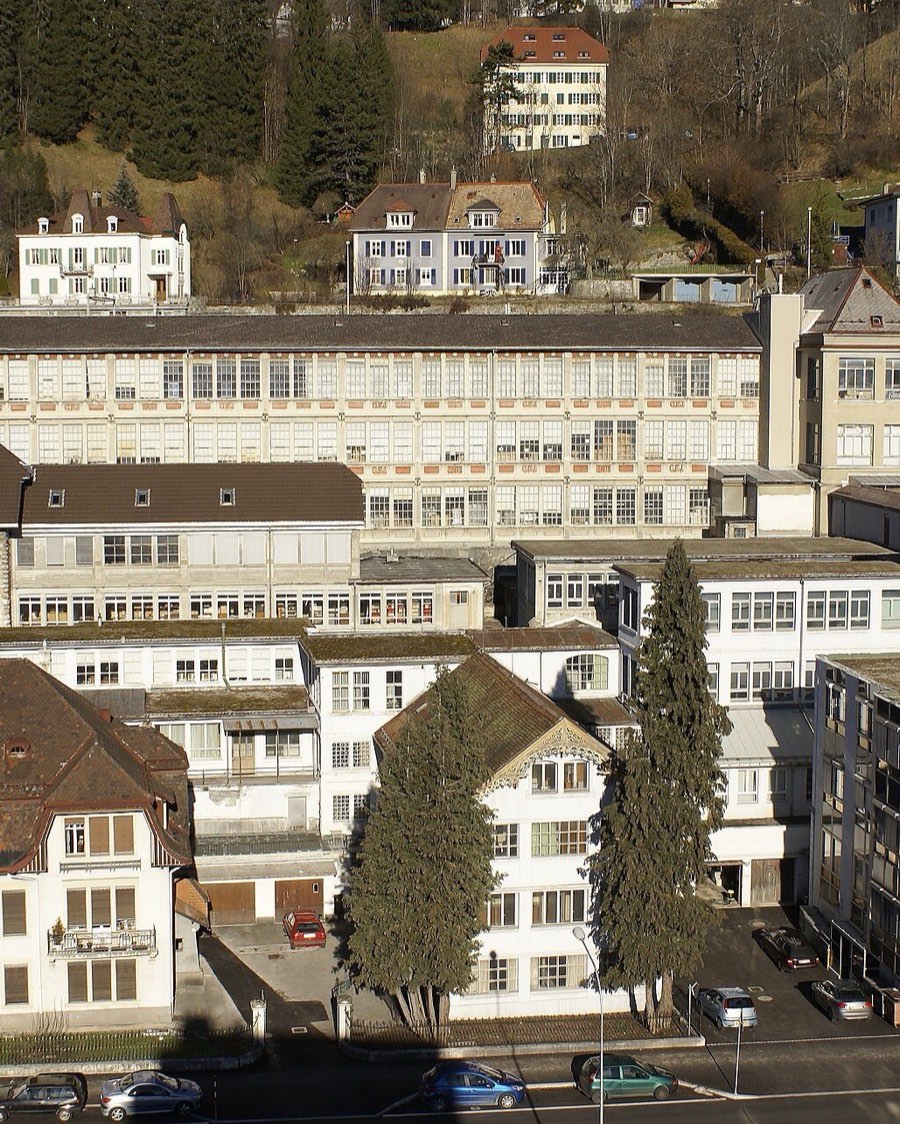

A luxury group comes to watches
LVMH was created in 1987 by the merger of Moët Hennessy and Louis Vuitton, and Bernard Arnault has led it since 1989.1
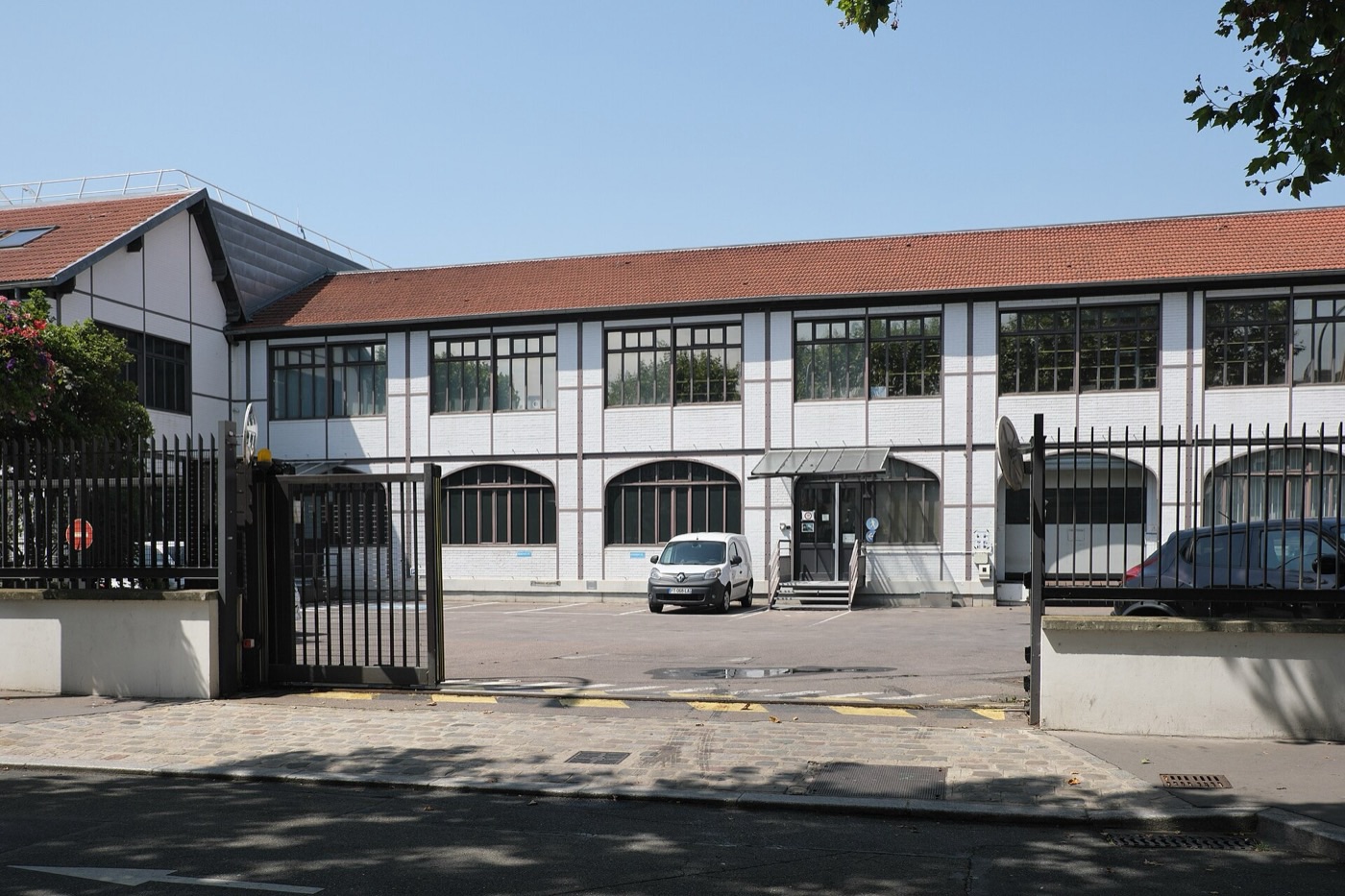
Before 1999 its only house in the field was the Paris jeweller Fred, which had joined in 1995, according to the group’s annual report for 1999.2
LVMH’s 1999 report presents the new business as a deliberate move into what it calls one of the most dynamic sectors of luxury, where it meant to “act as consolidator in a fragmented sector”.2
The watch houses
In the second half of 1999 TAG Heuer, Ebel, Chaumet and Zenith joined LVMH, in that order, and with Fred formed the Watches and Jewelry business group, LVMH’s fifth, with pro forma sales of 561 million euros.1, 2
TAG Heuer, whose roots LVMH dates to Edouard Heuer’s firm at Saint-Imier in 1860, joined in the third quarter of 1999 and was consolidated from 1 October. Ebel, founded in 1911, was bought in October 1999.2, 8
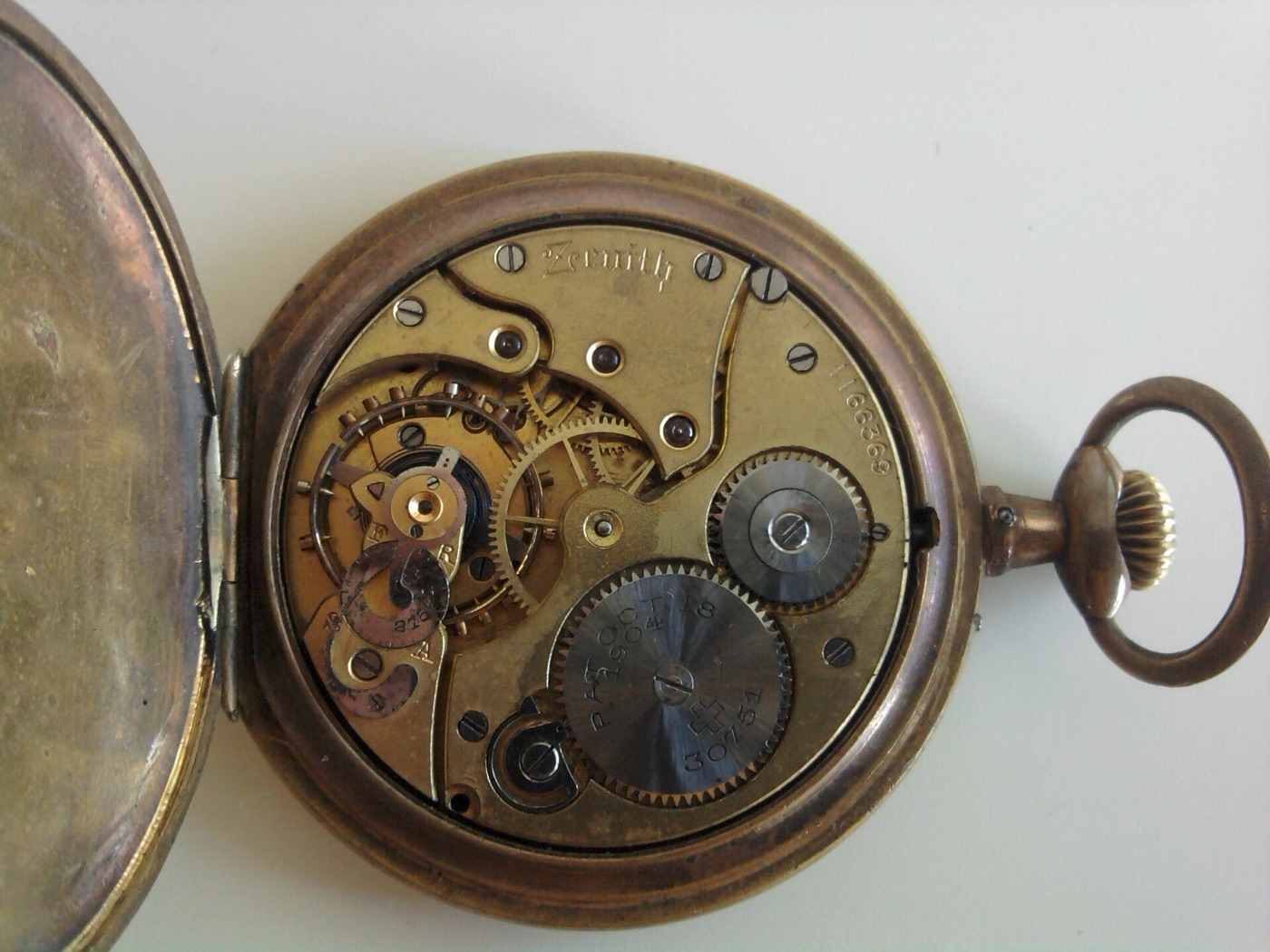
Zenith joined in November 1999. The annual report describes it as one of the last Swiss watchmakers producing its own mechanical movements in its own works, and says its El Primero and Elite movements drove the watches of other upscale brands as well as its own.2, 6
Europa Star reports that LVMH agreed in April 2008 to buy Hublot from its founder Carlo Crocco and from a company controlled by Jean-Claude Biver, and that Hublot had net revenue of more than 150 million francs in 2007 and was building a factory at Nyon.3
Bulgari followed in 2011. In 2026 LVMH lists Bvlgari, Chaumet, Daniel Roth, Fred, Gérald Genta, Hublot, L’Epée 1839, Repossi, TAG Heuer, Tiffany & Co. and Zenith as its watch and jewellery houses.1, 10
Making movements
LVMH says TAG Heuer has four Swiss manufactures, at La Chaux-de-Fonds, Cornol, Tramelan and Chevenez, where it makes its movements.8
Zenith works on its original premises at Le Locle, which LVMH calls the first fully integrated watch manufacture; the story is told under Zenith and La Chaux-de-Fonds and Le Locle.6, 11
LVMH describes Hublot’s manufacture at Nyon on Lake Geneva as covering 14,000 square metres, where its Unico movement was developed in 2009.12
The Historical Dictionary of Switzerland names LVMH among the few large groups that head most Swiss watch brands in the early 21st century. How it arrived is told under Crisis, consolidation and the groups.4
Where LVMH leads
- Part of, HistoryCrisis, consolidation and the groups
The French luxury group that formed a watch group in 1999.1, 2
- See also, GroupRichemont
The Historical Dictionary names both, with the Swatch Group, among the few groups that head most Swiss watch brands.2, 4, 13
- See also, EventThe luxury-group consolidation
LVMH formed its watch group in 1999, the year the Swatch Group bought Breguet.2, 14
Facts and sources
- Founded
- 1987, by the merger of Moët Hennessy and Louis Vuitton1
- Watch business
- From 1999 (Watches & Jewelry business group)1, 2
Sources
- 1
- 2
- 3
LVMH acquires the Swiss watchmaker Hublot (April 2008) (opens in a new tab)
- 4
- 5
- 6
- 7
- 8
- 9
Zenith pocket watch movement, 1900-1910. (opens in a new tab)
- 10
- 11
- 12
- 13
- 14
The Swatch Group Ltd. acquires Groupe Horloger Breguet from Investcorp S.A. (opens in a new tab)
Sources read November 12, 2026.