Biel/Bienne
A German-speaking town at the foot of the Jura that invited French-speaking watchmakers in 1842, grew into a city of watch factories, Omega and Rolex's movement works among them, and became the seat of the Swatch Group.
Switzerland, Canton of Bern, at the foot of the Jura and the eastern end of Lake Biel; officially bilingual, German and French
Within The Jura Arc
Why here? An invitation and a railway
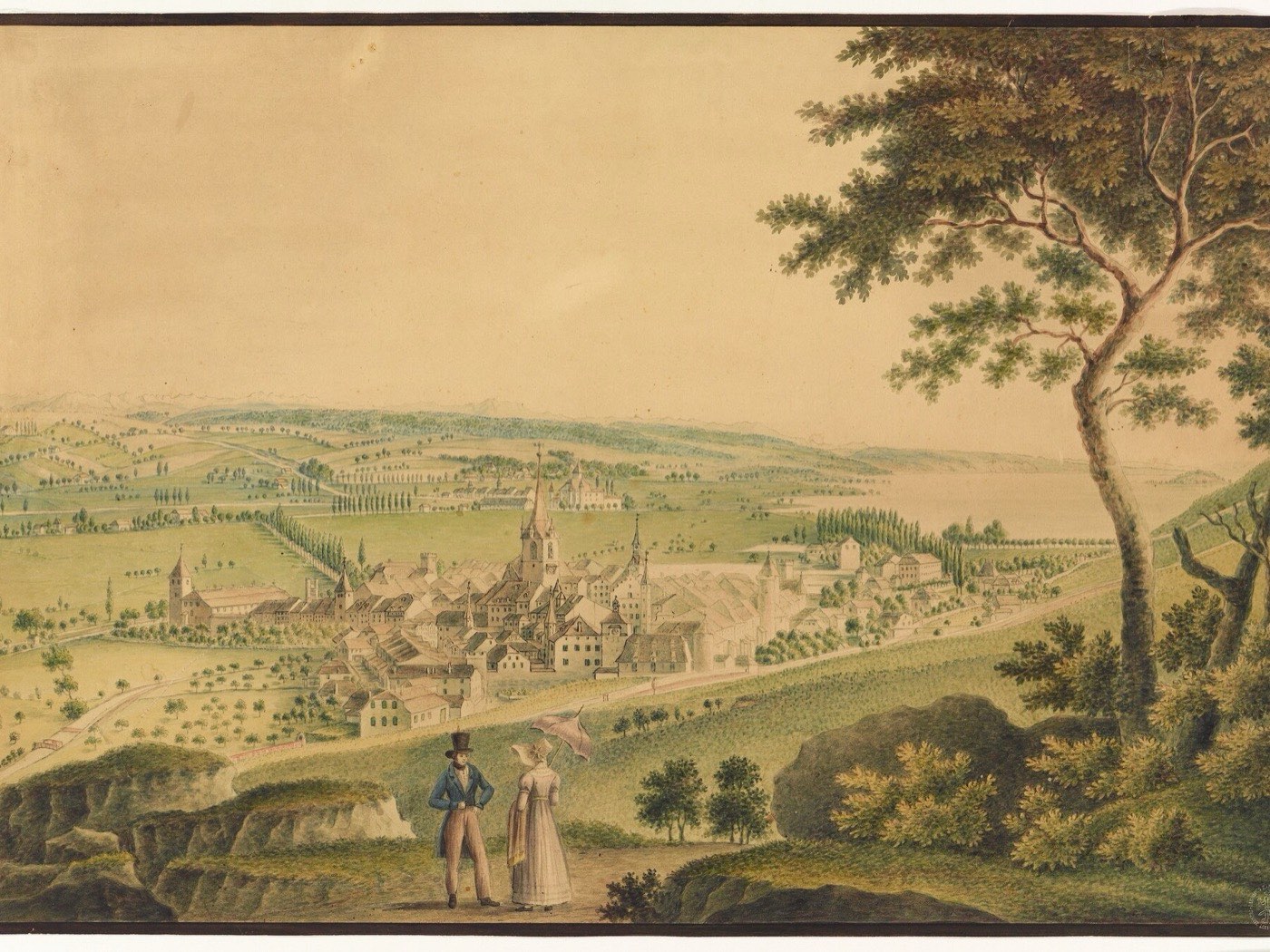
Biel lies at the foot of the Jura, at the eastern end of Lake Biel, where the Suze leaves its gorge. The Historical Dictionary of Switzerland records that the river gave water power once its marshy plain was drained in 1825-29, and that before watches the town's industries outside the walls were textile printing and wire-drawing.1
Watchmaking was invited in. In 1842 the town council, on a proposal by Ernst Schüler, a new citizen of German origin, decided to let Jura watchmakers settle without paying the residence tax. From 1844 to 1859 more than 1,700 workers came, most of them French-speaking, and the population doubled; the Historical Dictionary calls this the origin of the town's bilingualism, and French Wikipedia remembers Schüler as a pioneer of its watchmaking.1, 7
The railway ended the town's isolation: lines to Solothurn in 1857, La Neuveville in 1860 and Bern in 1864, then into the Jura. The Historical Dictionary counts the railway among the main causes of Biel's industrial growth.1
Biel joined a wider shift east: in the 19th century the trade spread from the Neuchâtel mountains into the Bernese Jura, Biel and Grenchen, and around 1890, the Historical Dictionary says, almost half of Swiss watch and movement exports came from Bernese firms.8
What grew here: from attic workshops to factories
The newcomers first worked in small attic workshops, home and workplace in one, since watchmaking gave off no fumes. A watch school opened in 1873, and some workshops grew into manufactures and then factories; in the last two decades of the century, the Historical Dictionary records, the trade concentrated on an American model, with electric precision machines replacing hand work.1
Omega grew here. Louis Brandt's sons Louis-Paul and César moved the family business from La Chaux-de-Fonds in 1880 and built a factory; the company took its name from an Omega calibre of 1894 made by interchangeable methods, and employed 537 workers in 1900 and about 3,000 before the crisis of the 1970s.1, 2, 9
Jean Aegler's workshop became the core of Rolex. Hans Wilsdorf in London bought his watches from Aegler from 1905, and Rolex says it equipped them with small, precise movements from a company in Bienne. When Montres Rolex SA was founded in Geneva in 1920 it bought all its movements from Aegler, which became the Manufacture des montres Rolex in Biel; the Geneva company bought it in 2004.1, 3, 10
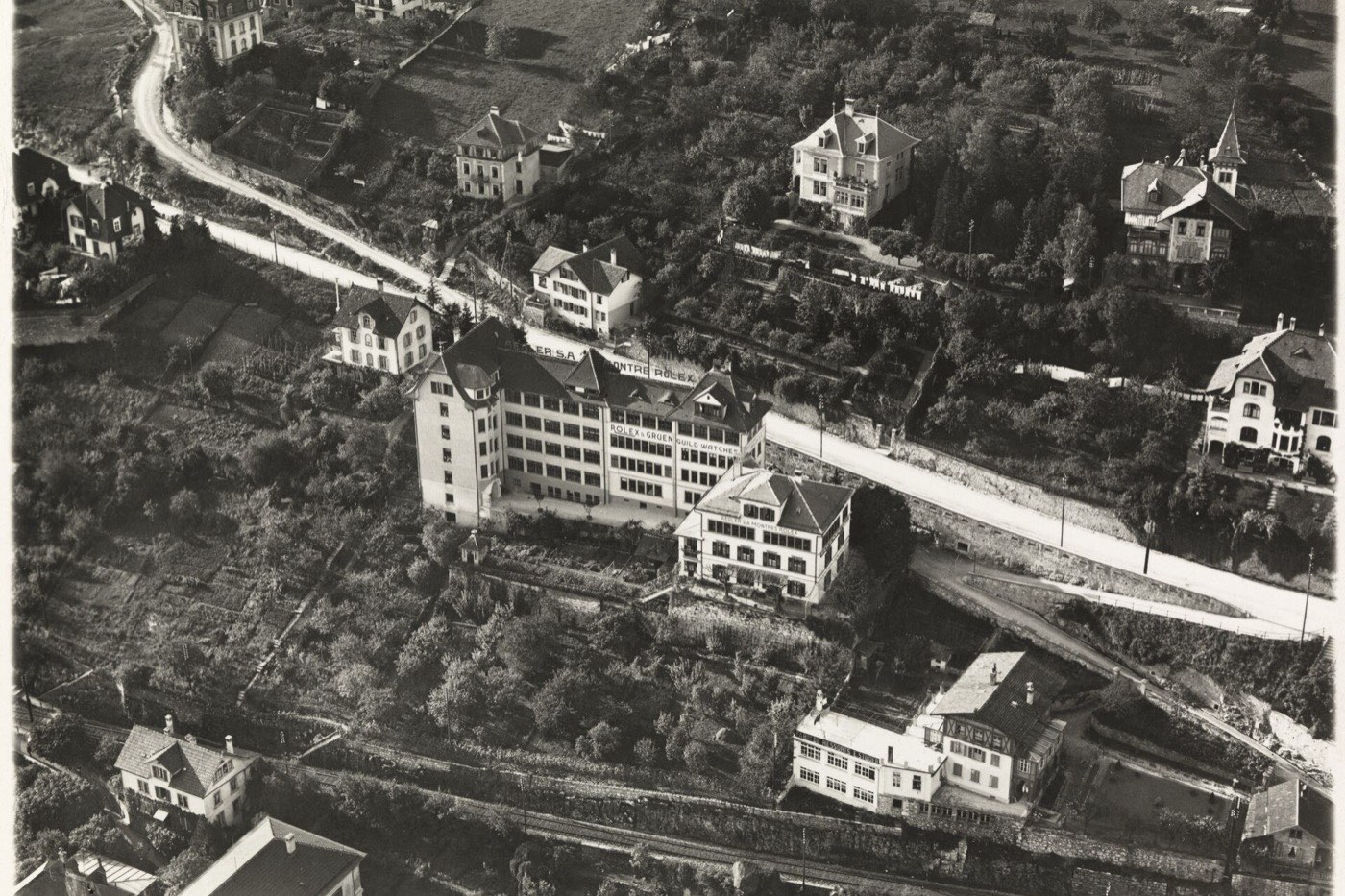
The town grew with the factories: the Historical Dictionary records 5,609 inhabitants in 1850, 32,136 in 1910 and 64,333 in 1970.1
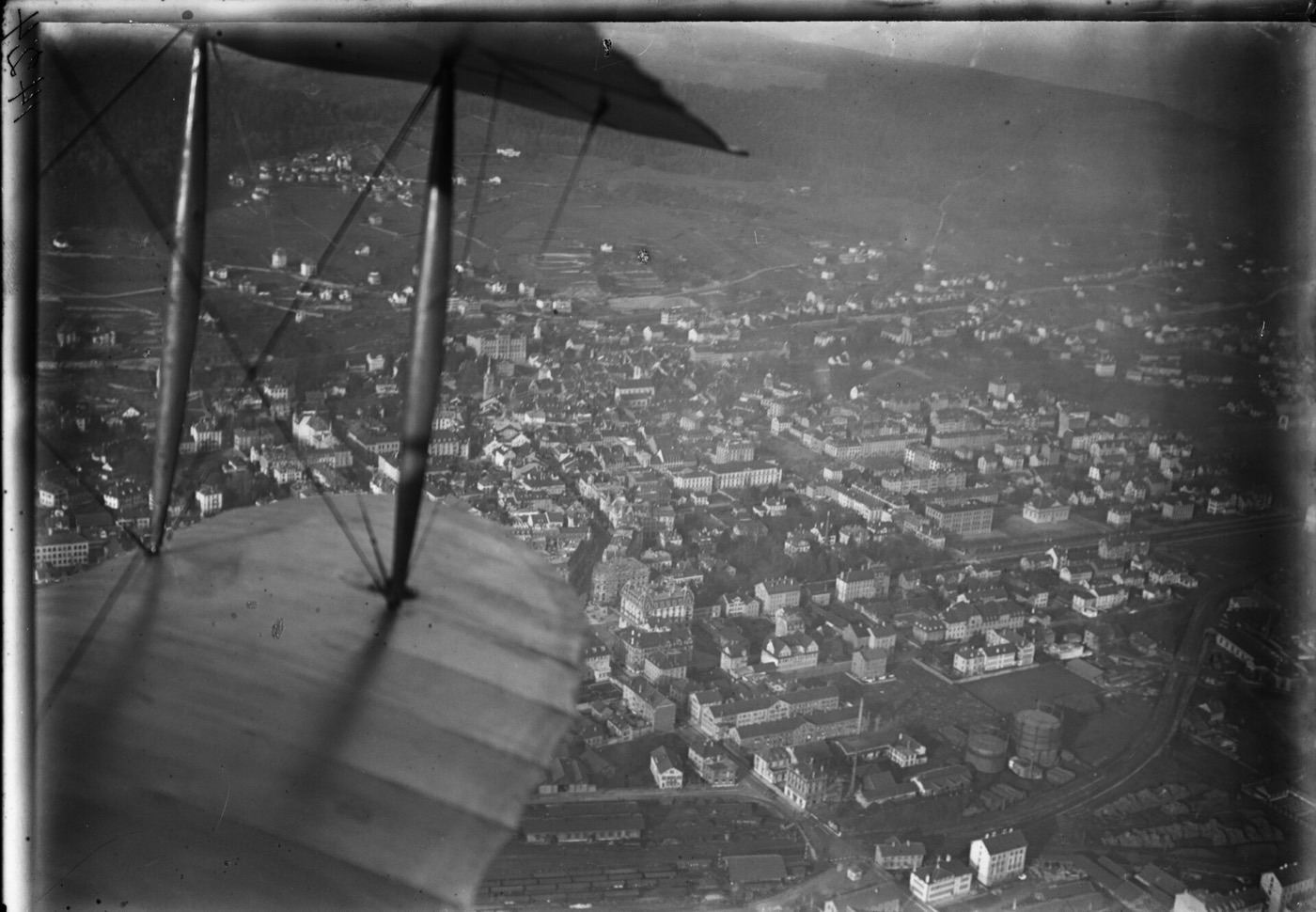
Biel became the seat of the industry's holding companies. ASUAG, formed in 1931 with the Confederation's help to bring together the makers of ébauches, balances, hairsprings and escapement parts, was a Biel holding, and the Swatch Group's head office now stands in the former ASUAG building.1, 5, 13, 14
Who and what moved through
The newcomers made a German-speaking town bilingual. In 1880 the census counted 13,253 German and 3,207 French speakers, in 1970 36,354 and 17,396; German and French are the official languages, and since 2005 the official name has been Biel/Bienne.1, 13
Omega's move is dated differently. The Historical Dictionary and Omega date it to 1880, Omega naming its first address as 119 Route de Boujean before 96 Rue Jakob-Stämpfli, still its home; French Wikipedia says Omega moved its head office to Biel in 1879.2, 7, 9
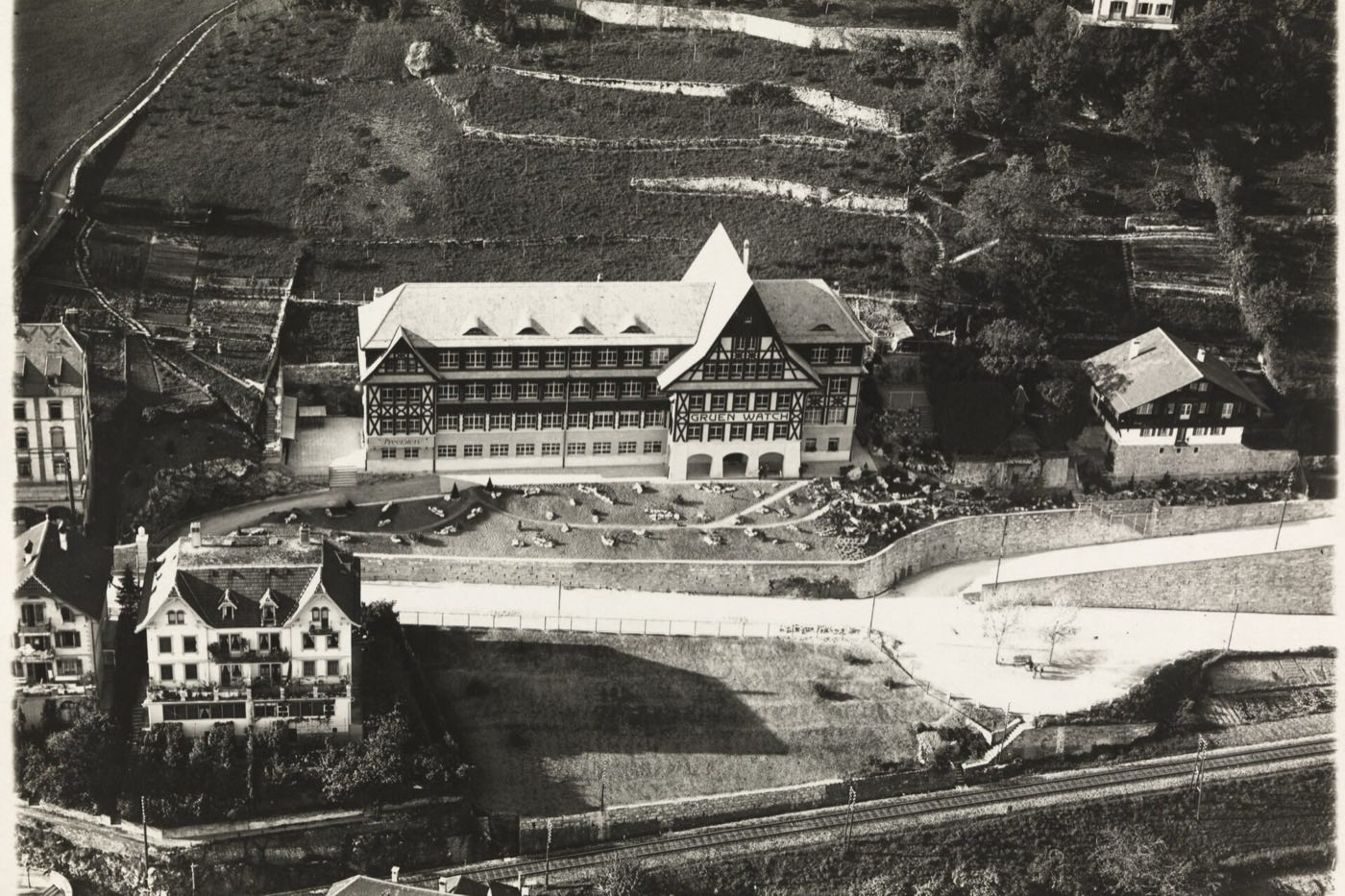
American firms came to buy Swiss work. The economic historian Pierre-Yves Donzé writes that Bulova ran a subsidiary in Biel from 1911 to source watches and that the Gruen company joined the board of the Aegler factory in 1927; movements rose from 5.4 per cent of Swiss export volume in 1890 to 30.1 per cent in 1927.15
Biel was one of the nine employers' sections that founded the Swiss watch federation (FH) in 1924, with Le Locle, La Chaux-de-Fonds, Geneva and others, to set minimum prices during the crisis of the 1920s.14
What changed because of it
Watchmaking dominated Biel until the late 1960s. The Historical Dictionary says the recession that followed exposed an industry sheltered for decades by protection, behind in technique, organisation and marketing; Japanese electronic watches brought a sales crisis, and unemployment rose sharply. The wider story is the quartz crisis.1
With the banks' help, Nicolas G. Hayek merged Biel's ASUAG with the Geneva group SSIH in 1983. The merged company, SMH from 1985 and the Swatch Group from 1998, was based in Biel and succeeded with the low-priced Swatch.1, 5
The Historical Dictionary records that production was gathered at Grenchen, leaving direction and marketing in Biel; during the 1980s watchmaking lost its dominant place in the town, and industry's share of jobs fell from 65-70 per cent in the 1950s and 1960s to 35 per cent in the early 1990s.1
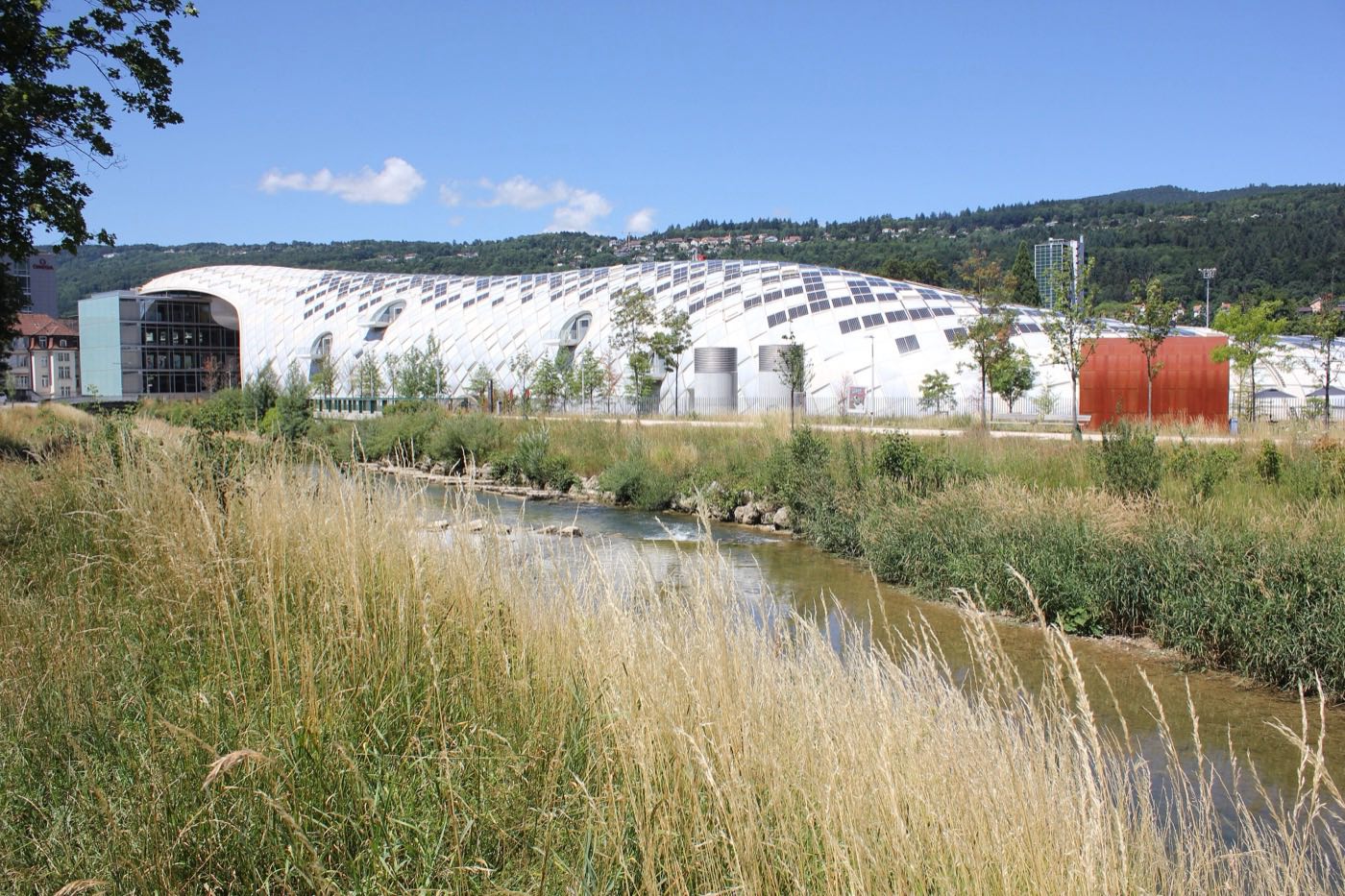
Biel is still a watch capital. The Swatch Group's administrative head office is there, beside Omega's home on Rue Jakob-Stämpfli and the Cité du Temps by Shigeru Ban, which houses the Omega Museum and Planet Swatch; Rolex's movement manufacture, the former Aegler works, is in Biel too.3, 4, 9, 17
Key dates
- 1880
Louis Brandt's sons move the family watch business from La Chaux-de-Fonds to Biel, the future Omega.2, 9
- 1905
Hans Wilsdorf begins buying watches from Jean Aegler's Biel factory.3, 10
- 1924
Biel is among the nine sections that found the Swiss watch federation.14
- 1931
ASUAG, the holding of the movement and parts makers, is founded with the Confederation's help.1, 5, 14
- 1983
ASUAG and SSIH merge, with their seat in Biel.1, 5
- 1985
The merged group takes the name SMH, later the Swatch Group.5, 19
Where Biel/Bienne leads
- Based here, CompanyOmega
Omega has been in Biel since 1880; its home is at 96 Rue Jakob-Stämpfli.2, 9
- Based here, CompanyRolex
Rolex's movements come from its Biel manufacture, the former Aegler works.3, 10
- Based here, GroupThe Swatch Group
The group's administrative head office is in Biel/Bienne, in the former ASUAG building.4, 13
- Part of, HistoryCrisis, consolidation and the groups
Biel's ASUAG merged with SSIH in 1983 to form the group now called the Swatch Group, based in Biel.1, 5
- Part of, HistoryFrom the pocket to the wrist
Aegler's Biel movements were the base of Rolex's wristwatches, and American firms sourced watches and movements in Biel.3, 10, 15
- Part of, HistoryMaking watches today
The Swatch Group's head office, Omega and Rolex's movement manufacture are in Biel.3, 4, 9
- Part of, HistorySwitzerland’s network of specialists
Biel was one of the nine sections that founded the watch federation in 1924, and the seat of the holding ASUAG from 1931.1, 14
- See also, PersonHans Wilsdorf
Wilsdorf bought his watches from Jean Aegler's Biel factory from 1905.3, 10
- See also, PersonNicolas G. Hayek
He merged Biel's ASUAG with SSIH in 1983, with the banks' help.1, 5
- See also, PlaceClerkenwell
The Biel-born Pierre-Frédéric Ingold tried and failed to found a machine watch factory in London against Clerkenwell’s opposition.20, 21
- See also, PlaceGrenchen
The Historical Dictionary records that the Swatch Group makes in Grenchen what it directs from Biel/Bienne.1, 22
- See also, PlaceLa Chaux-de-Fonds and Le Locle
Louis Brandt's business began in La Chaux-de-Fonds in 1848 and moved to Biel in 1880, where it became Omega.2, 9
- See also, GroupEbauches SA
Ebauches SA joined the Biel holding ASUAG in 1931.1, 19
- See also, GroupThe Hans Wilsdorf Foundation
Where the movement maker its group took over in 2004 stands.23, 24, 25
- See also, EventThe First World War
Where Rolex moved its international headquarters in 1915, by Wikipedia’s account.26
- See also, EventThe quartz crisis
The Historical Dictionary says Japanese electronic watches brought a sales crisis to Biel's watch industry in the 1970s.1
- See also, EventThe Swiss watch cartel and statute
ASUAG, formed in 1931 with the Confederation's help, was the cartel's holding for the makers of ébauches and parts.5, 14
Facts and sources
- Country
- Switzerland1, 13
- Region
- Canton of Bern, at the foot of the Jura and the eastern end of Lake Biel; officially bilingual, German and French1, 13
- Watchmaking
- From the 1840s; seat of ASUAG from 1931 and of the Swatch Group since 19831, 5
Sources
- 1
- 2
- 3
- 4
- 5
- 6
- 7
- 8
- 9
- 10
- 11
- 12
- 13
- 14
- 15
Watchmaking in 1927: major structural changes (opens in a new tab)
- 16
- 17
- 18
- 19
- 20
- 21
- 22
- 23
- 24
Rolex billionaire Harry Borer dies at 89 (20 June 2017) (opens in a new tab)
- 25
- 26
Sources read November 12, 2026.