Longines
A watchmaker in Saint-Imier, in the Bernese Jura, whose factory of 1866–67 brought a scattered cottage trade under one roof. It made navigation watches for aviators and has timed sport since the 1870s.
Founded 1832, Saint-Imier, Switzerland, Owned by The Swatch Group
In the histories Switzerland’s network of specialists, America industrializes the watch
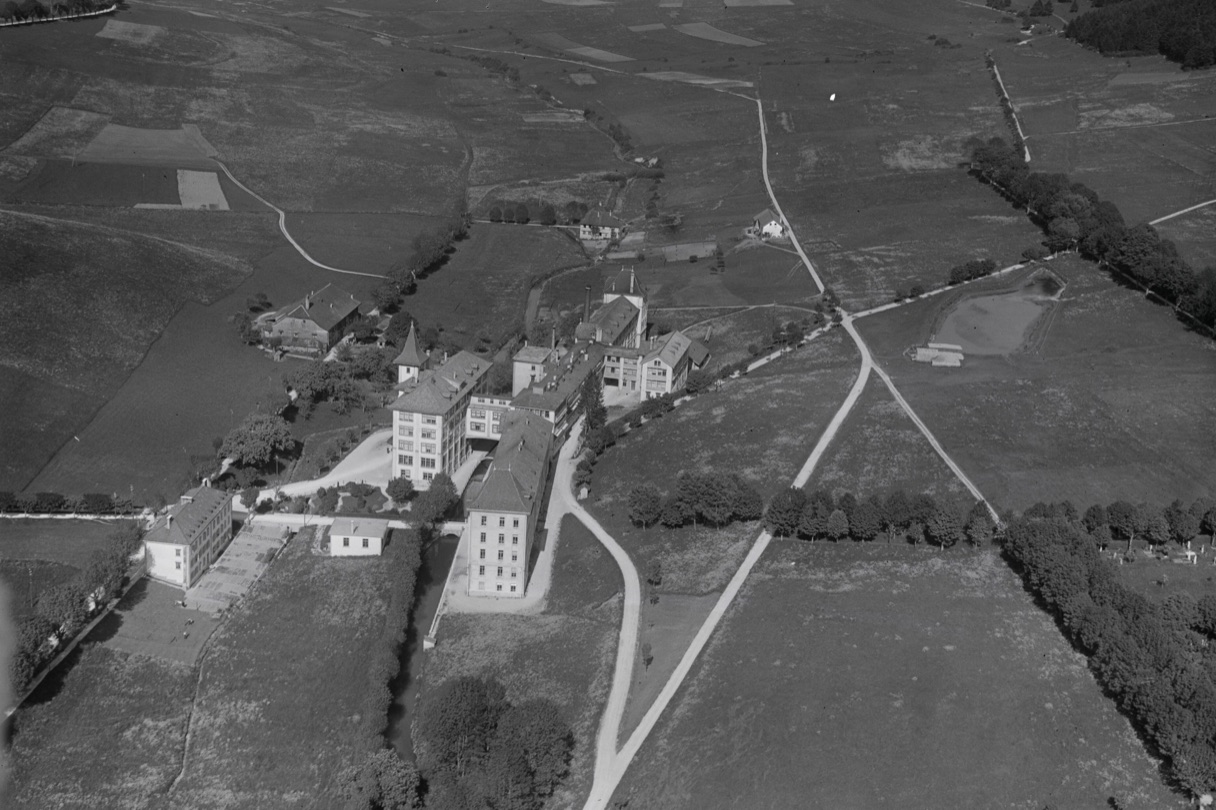
From outworkers to one factory
Auguste Agassiz’s workshop in Saint-Imier worked the old way of the Swiss Jura: parts were made by craftsmen in their homes, and the workshop assembled and sold the finished watches, some of them as far away as the United States.1, 2, 6
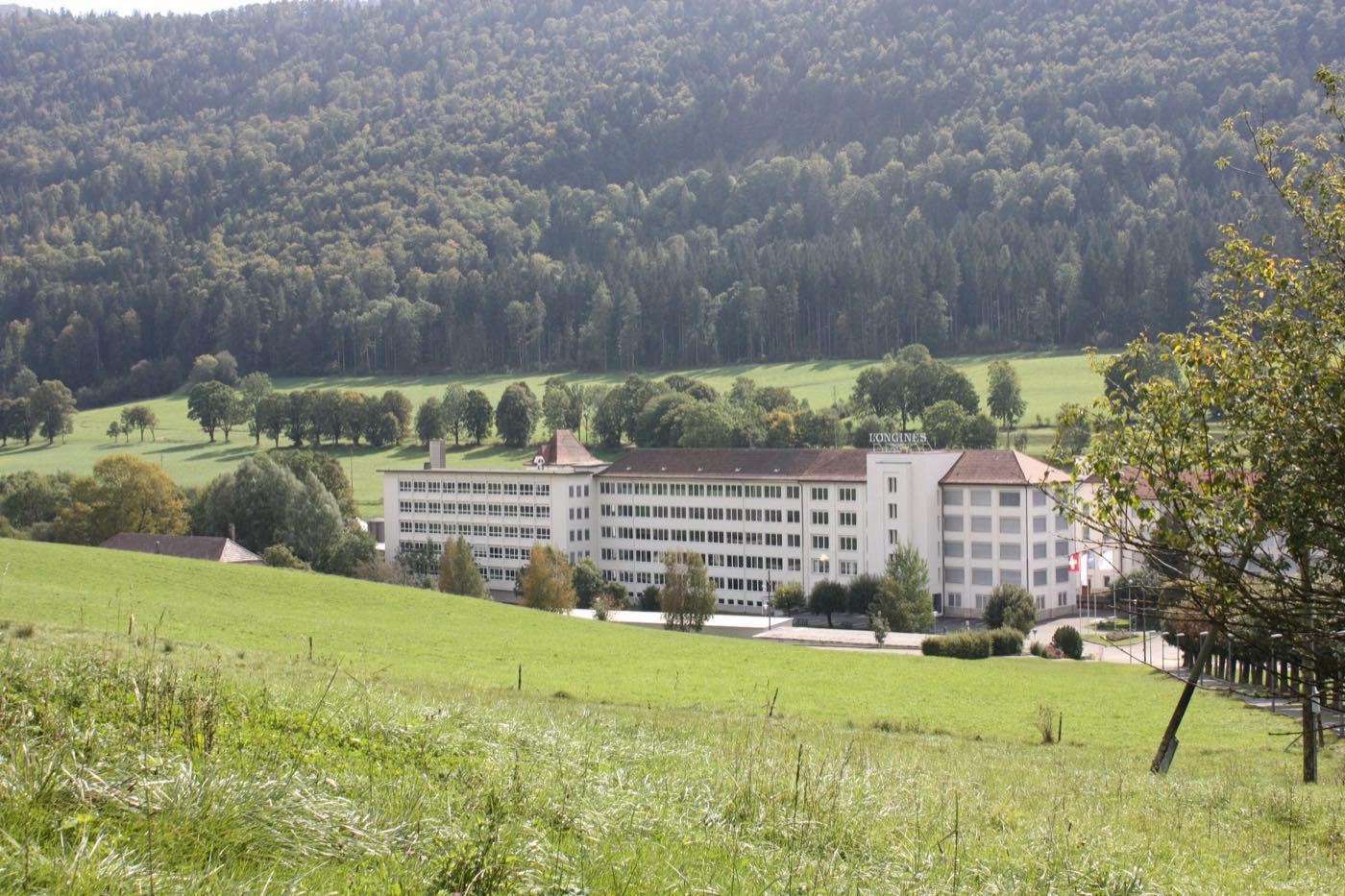
Agassiz’s nephew Ernest Francillon took over in 1852 and set about mechanising production. The factory he built in 1866, as the Historical Dictionary of Switzerland dates it (Longines dates its first movement there to 1867), brought the trades together on a riverside meadow known locally as Les Longines, which gave the company its name, and it still works on the same site.1, 2, 4, 6
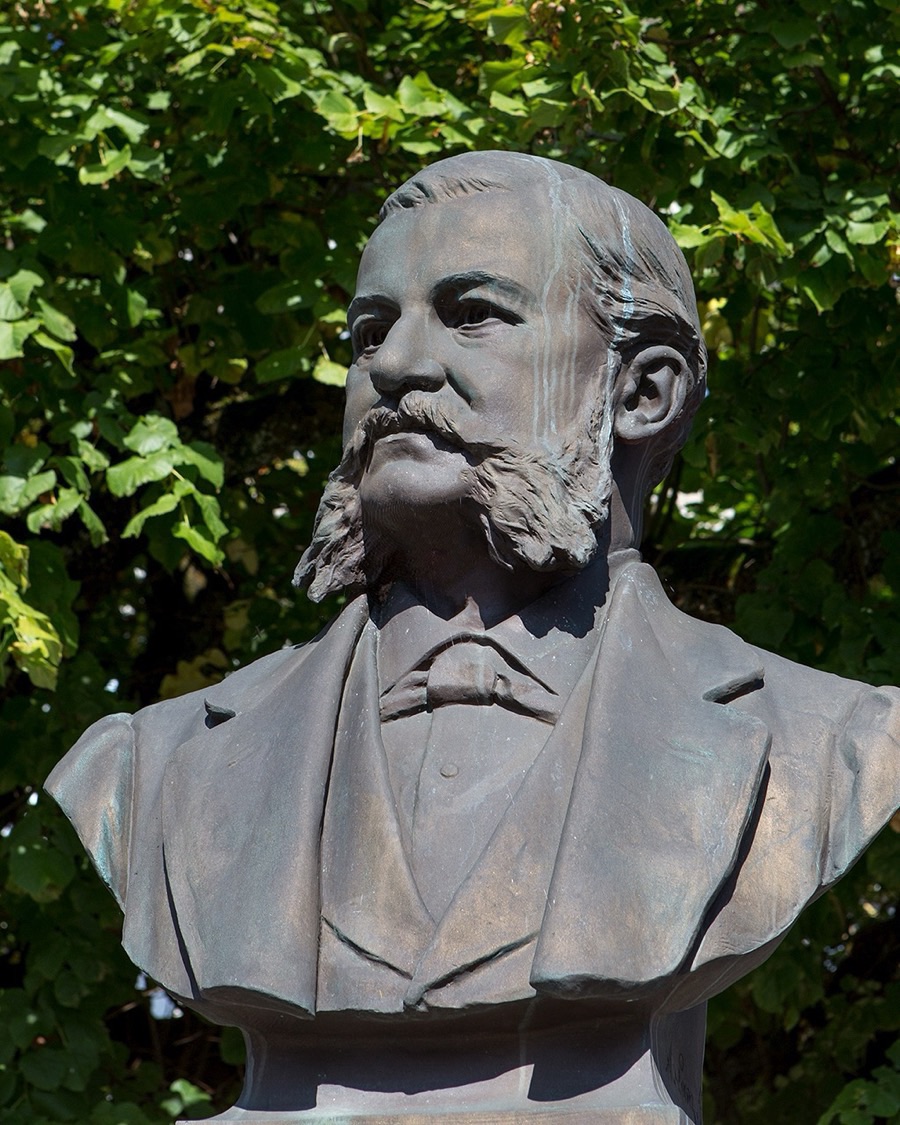
Francillon had every watch marked with a serial number, the Longines name and a winged hourglass, and registered the name in 1880 and the emblem in 1889. Longines says it remains the oldest watch brand trademarked in the international register of the World Intellectual Property Organization.1, 6

Instruments for pilots and timekeepers
Longines built instruments for aviators. It made a navigation watch with the US Navy officer Philip Van Horn Weems, and in 1931 the Hour Angle watch, inspired by Charles Lindbergh’s non-stop Atlantic flight of 1927, with which a navigator could fix a position from the stars using a sextant and an almanac. A flyback chronograph followed, patented in 1936.1, 3, 6
Sports timing runs through the same history, from a chronograph movement of 1878 whose stopwatches were used at American racetracks to photo-finish equipment for skiing, motor racing and the Tour de France. In precision timekeeping, Longines says its high-frequency calibre 360 took the top two places in the Neuchâtel Observatory competition of 1961, and that its Ultra-Quartz of 1969 was among the earliest quartz wristwatches.1
Inside the Swatch Group
Longines belonged to ASUAG, the movement maker that merged with SSIH in the 1983 rescue that produced the Swatch Group. Its museum in Saint-Imier keeps the company’s collections and some 800 written records from its early years.2, 6, 8
Key dates
- 1832
Auguste Agassiz and partners set up a watchmaking workshop in Saint-Imier.1, 6
- 1852
Ernest Francillon takes over the business.1
- 1867
The Longines factory opens in Saint-Imier.1, 2, 6
- 1889
The winged hourglass emblem is registered.1, 6
- 1931
The Lindbergh Hour Angle watch, for celestial navigation.1, 6
- 1936
Longines receives a patent for its flyback chronograph.1, 3
- 1961
The calibre 360 competes at the Neuchâtel Observatory.1
- 1969
The Ultra-Quartz, a quartz wristwatch with a Longines movement.1, 6
Where Longines leads
- Owned by, GroupThe Swatch Group
Longines belonged to ASUAG, which merged with SSIH in 1983 to form the company now called the Swatch Group.6, 8
- Formerly owned by, GroupASUAG
ASUAG bought Longines in 1972, by the Historical Dictionary’s date, and held it in General Watch Co. until the merger of 1983.10, 11
- Based in, PlaceThe Jura Arc
Longines has worked in Saint-Imier since 1832, and in its factory there since 1867.1, 12
- Part of, HistorySwitzerland’s network of specialists
The Saint-Imier firm whose engineer Jacques David reported on the American factories in 1876.13, 14
- Part of, TraditionChronometry and certification
Longines says its high-frequency calibre 360 took the top two places in the Neuchâtel Observatory competition of 1961.1
- Part of, TraditionPilot’s watches
Monochrome describes how Longines made the Weems second-setting watch of 1929 and the Lindbergh Hour Angle watch of 1931 for air navigation.15
- Part of, EventThe quartz crisis
Longines belonged to ASUAG, one of the two Swiss groups the crisis drove into the 1983 merger.8, 16
- See also, HistoryAmerica industrializes the watch
Watkins records that Longines’s engineer Jacques David studied the American factories in 1876 and urged the Swiss to adopt their methods.13, 17
- See also, HistoryJapan builds a watch industry
Donzé writes a comparative history of Longines’ and Hattori’s quartz research.18
- See also, TechnologyThe quartz watch
Longines showed a quartz pocket-watch prototype in 1966.19, 20
- See also, EventThe Philadelphia Centennial Exhibition
The Saint-Imier firm whose engineer Jacques David wrote the report, and which published its facsimile in 1992.13, 17, 21
- See also, EventThe Swiss watch cartel and statute
The Historical Dictionary of Switzerland says ASUAG bought Longines in 1972, as the end of the statute let it move into finished watches.10
Elsewhere in Watch Vault
- Current coverage
Stories that name Longines, newest first (opens in a new tab), in Watch Vault Media.
Facts and sources
- Founded
- 18321, 3, 6
- Founder
- Auguste Agassiz1, 2, 6
- Founded in
- Saint-Imier, Switzerland1, 3
- Based in
- Saint-Imier, in its factory of 1866–671, 4, 6
- Owner
- The Swatch Group3, 6
- Official site
- longines.com (opens in a new tab)1
Sources
- 1
- 2
- 3
- 4
- 5
St. Imier, Montres Longines SA, Uhrenfabrikation (LBS_MH03-0993) (opens in a new tab)
- 6
- 7
- 8
- 9
- 10
- 11
- 12
- 13
- 14
- 15
- 16
- 17
Jacques David: American and Swiss Watchmaking in 1876 (translation page) (opens in a new tab)
- 18
- 19
- 20
- 21
Sources read November 12, 2026.