The Philadelphia Centennial Exhibition
The world’s fair at Philadelphia in 1876 where Swiss watchmakers met the American factories on show, and the reports that followed: Jacques David’s confidential study of Waltham and Elgin for the Jura industrialists and Edouard Favre-Perret’s report to the Federal Council, which, as the Historical Dictionary of Switzerland describes it, set the Swiss industry on the road to series production.
May 1876 (the exhibition opens) to March 1877 (David’s second report)
Companies A. Lange & Söhne, Longines, Vacheron Constantin, Waltham
In the histories Switzerland’s network of specialists, America industrializes the watch
Warnings before the fair
American factory watches were already cutting Swiss sales: the Historical Dictionary of Switzerland records Swiss watch exports to the United States falling from 18.3 million francs in 1872 to 3.5 to 4 million in 1877–78, and Favre-Perret writes of a violent industrial crisis since 1873.2, 6
The danger had been named before. Favre-Perret notes that Neuchâtel’s observatory director, Adolphe Hirsch, had warned of American competition in his report on the Paris exhibition of 1867, and he counts some 250,000 watches a year coming from American factories that had made almost none twenty-five years earlier.2
Machines were not new in Switzerland. Favre-Perret lists the ébauche factories of the Jura, LeCoultre’s machine-made complicated movements at Le Sentier and Vacheron Constantin’s long work with the engineer Georges Leschot; the Historical Dictionary calls Longines at Saint-Imier the region’s first mechanised factory, organised by Jacques David.2, 8
On 14 May 1876 Jura firms founded the Société intercantonale des industries du Jura to defend the region’s industrial and commercial interests.3, 9
The fair and the mission
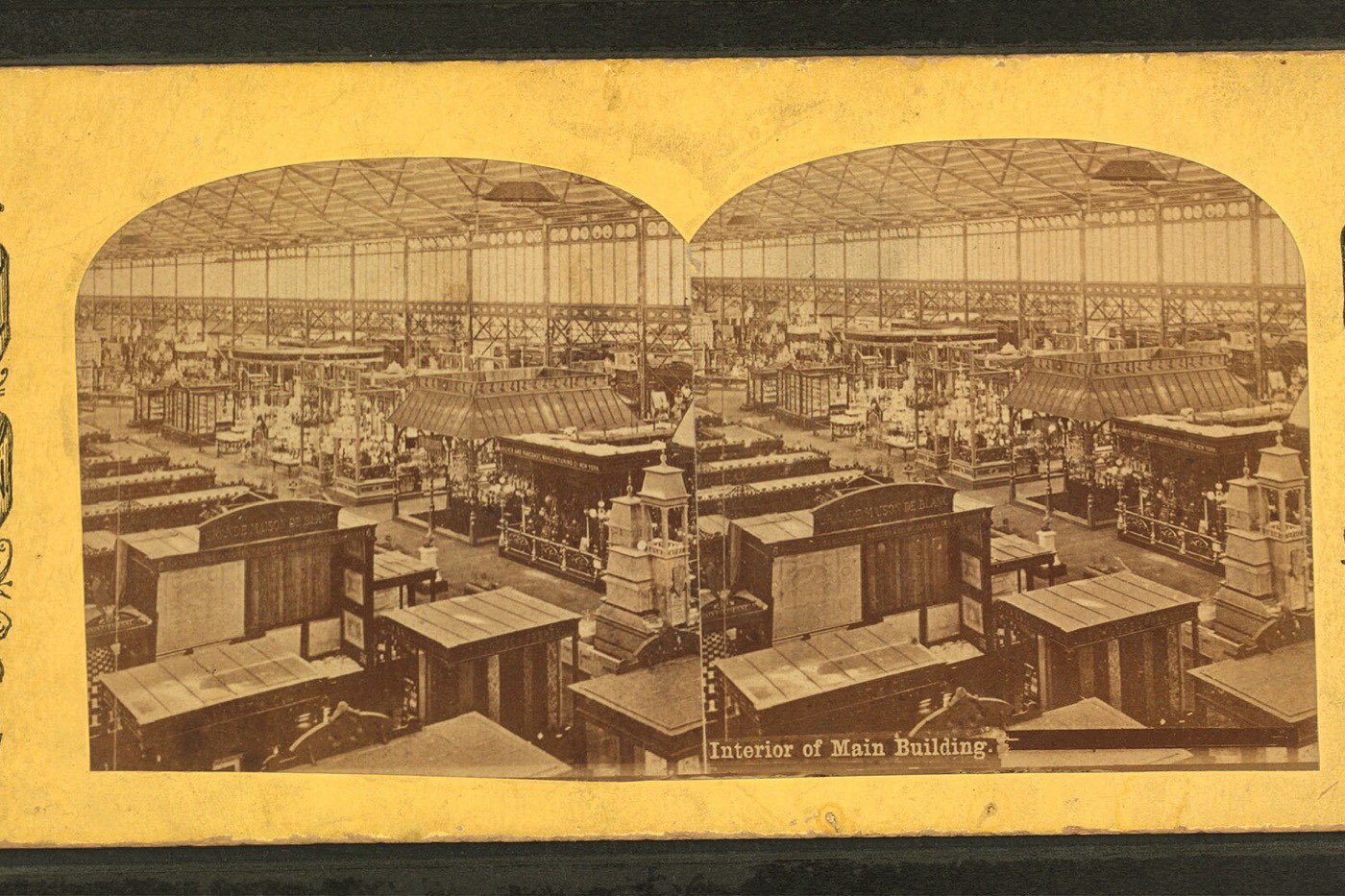
The Centennial Exhibition ran in Philadelphia from May to November 1876. Its jury for group XXV, precision instruments and horology, had eleven members, six American and five foreign; Edouard Favre-Perret of Le Locle sat for Switzerland and shared the watch work with the Ann Arbor astronomer J. C. Watson.1, 2
The American Watch Company of Waltham filled its stand, Favre-Perret records, with 2,200 watches and movements labelled as six days’ output, and told the jurors it could make 425 a day. David reports two automatic screw machines on show, which the company said could make 8,000 screws a day.2, 4
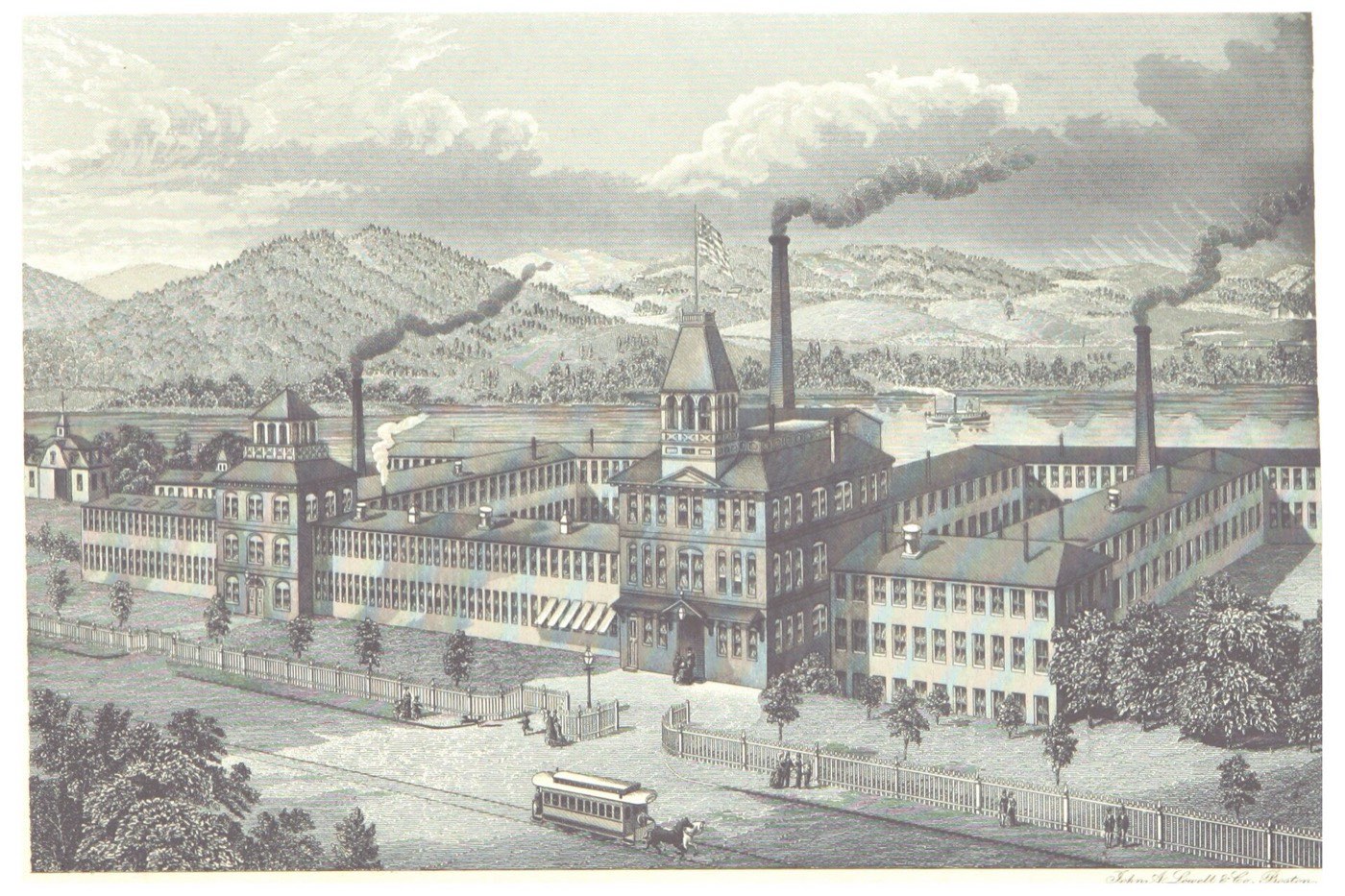
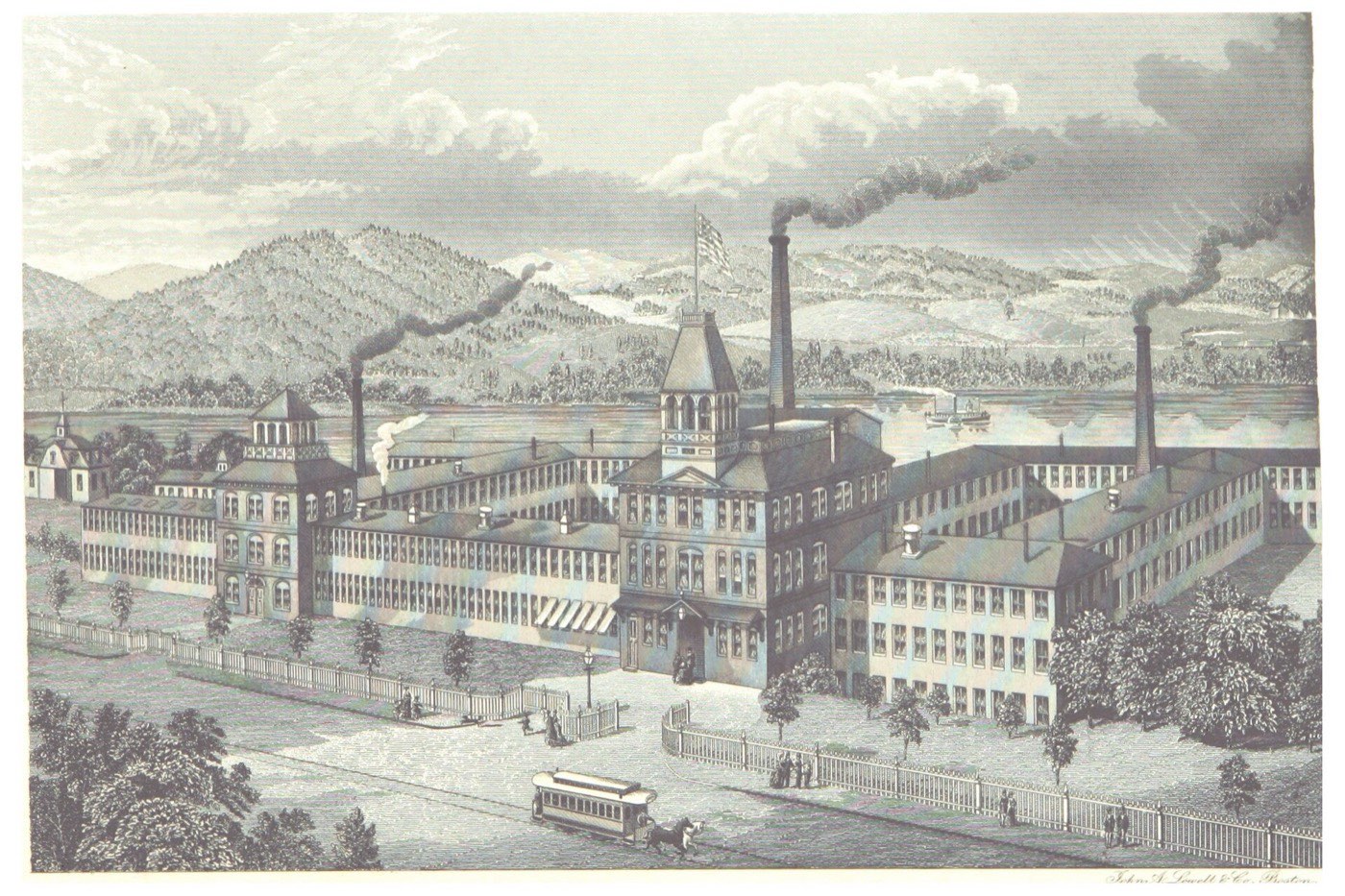
The official list of awards to American exhibitors names the American Watch Company three times: for its watches, for its watch-making machinery and for “a system of watch-making”. Favre-Perret notes that the Commission gave a single kind of award, a bronze medal with a written report.2, 12
Watson rated ten first-quality Waltham watches against marine chronometers lent by the Swiss delegate Théodore Gribi. Favre-Perret objects that his published comparison set them against complicated Swiss watches rather than plain ones of like price, and reports that tests back in Switzerland found Waltham’s parts not fully interchangeable without hand work.2
Switzerland had 54 exhibitors in the group and took 41 awards, Favre-Perret counts, mostly for complicated watches and chronometers; he regrets that the good plain watch, the class where the Americans sold most, was hardly shown.2
The Société sent Longines’s engineer Jacques David to join Gribi. Watkins records that from mid-August to November 1876 David saw the exhibition and toured the American factories with Gribi, above all Waltham and Elgin.3, 4
Two reports
David’s first report, read to the Société at Neuchâtel on 22 January 1877, ran to 108 handwritten pages and eight plates, Watkins writes: the factories’ number, finances, organisation, output and sales, and at greatest length their methods, workshop by workshop.3, 4, 5
Its conclusion, as David argues it, was that the Swiss must take up the American procedures as a whole or lose their markets, but adapted rather than copied: he did not ask that all work be brought under one roof, and left room for the établissage system’s separate suppliers.4
David lists ten recommendations: common Swiss sizes so movements fit cases independently; groups of manufacturers around a few calibres made in mechanised ébauche factories; a standard Swiss calibre; American machines and trained mechanics; joint advertising with a control office issuing quality certificates; a stricter control of gold and silver; patents; wider access to watch and art schools teaching machine methods; the metric system to the hundredth of a millimetre; and fewer, standard screws.4
The meeting agreed to keep the report from the press so as not to alert foreign makers, and the Société had about eight manuscript copies made for its members, Watkins records. A second report of twelve pages in March 1877 attacked the slow response; it also answered a letter from A. Lange & Söhne.3, 4
Favre-Perret spoke out publicly instead, and his report to the Federal Council, printed at Winterthur in 1877, calls for the prompt introduction of the most advanced machines and a school of mechanics, and backs laws on patents, trademarks and the control of gold and silver.2, 3, 13
After the reports
The change came over two decades and was not uniform. The Historical Dictionary of Switzerland places the turning point in the 1870s and 1880s, with large factories in the Bernese Jura and at the foot of the Jura, while traditional centres kept to fine and complicated work; Donzé writes that the Swiss held about 90 per cent of the world market by around 1900.6, 14
Laws the two reports had asked for followed: a federal trademark law of 19 December 1879, with deposits from 1 November 1880; a law of 23 December 1880 on the control of gold and silver, whose official hallmarks were struck on watch cases; and, after a referendum defeat in 1882 and a constitutional article in 1887, a patent law of 29 June 1888 limited to inventions that could be shown by a model, for which, Chachereau writes, watch industrialists had campaigned since a parliamentary motion of March 1877.15, 16, 17, 18
At Longines, David joined the management in 1880 and became a partner in 1900, the Historical Dictionary records; he was later vice-president of the Swiss watch manufacturers’ syndicate. Longines says it registered its name as a trademark in 1880.5, 19
Watkins notes that restricting the number of calibres was the one recommendation not taken up, and he links David’s call for grouped manufacturers to later bodies such as Ebauches SA.4
The shock should not be overstated. Watkins argues that the accepted story of a Swiss industry shaken at once into mechanisation is wrong: only a few saw the danger at first, and it took effort by David and others before the need to change was accepted.3, 4
Key dates
- 1876
The Société intercantonale des industries du Jura is founded, 14 May.3, 9
- 1876
The Centennial Exhibition opens in Philadelphia in May; Waltham shows watches and automatic machinery.1, 2
- 1876
The American Watch Company is named in the official awards for watches, machinery and a system of watch-making.12
- 1877
Jacques David reads his report to the Société at Neuchâtel, 22 January.3, 4
- 1877
Favre-Perret’s report on horology at Philadelphia is printed for the Federal Council.2, 13
- 1879
Federal trademark law, 19 December.15
- 1880
Federal law on the control of gold and silver, 23 December; David joins the management of Longines.3, 5, 16
- 1888
Federal patent law, 29 June.17, 18
Where the Philadelphia Centennial Exhibition leads
- Part of, HistoryAmerica industrializes the watch
The moment the American factory system was shown to the world and studied by its main rival.1, 2, 3
- Part of, HistorySwitzerland’s network of specialists
The warning that pushed the Swiss network of specialists toward machines, standards and factories.3, 6, 14
- See also, CompanyA. Lange & Söhne
David’s second report answers a letter from A. Lange & Söhne that, Watkins writes, disputed the danger.3, 4
- See also, CompanyLongines
The Saint-Imier firm whose engineer Jacques David wrote the report, and which published its facsimile in 1992.3, 5, 20
- See also, CompanyVacheron Constantin
Favre-Perret names its decades of machine production with the engineer Georges Leschot as proof the Swiss could mechanise.2
- See also, CompanyWaltham
Favre-Perret records Waltham’s display of 2,200 watches and its claim of 425 a day, and David describes its factory workshop by workshop.2, 4
- See also, PersonGeorges Favre-Jacot
Accounts differ on whether he saw Philadelphia himself or read David’s report.21, 22
- See also, PlaceElgin, Illinois
David’s report covers Elgin with Waltham as the two leading American factories.3, 4
- See also, PlaceLa Chaux-de-Fonds and Le Locle
Favre-Perret, the Swiss juror, was from Le Locle; ICOMOS ties the factories built in the two towns to the lesson of Philadelphia.2, 23
- See also, PlaceNeuchâtel
David read his report to the Société at Neuchâtel on 22 January 1877, and Favre-Perret notes that the observatory director Hirsch had warned of America in 1867.2, 3
- See also, PlaceThe Jura Arc
The Société that sent David was founded by firms of the Jura watch region, according to the Federation of the Swiss Watch Industry.3, 9
- See also, TechnologyÉtablissage
David argues for American methods without bringing every trade under one roof, keeping separate suppliers working to common standards.4
- See also, TechnologyInterchangeable parts
Favre-Perret reports that tests in Switzerland found Waltham’s parts interchangeable only up to a point.2
- See also, GroupEbauches SA
Watkins writes that David’s call for manufacturers grouped around ébauche factories led toward later bodies such as Ebauches SA.4
Facts and sources
- Period
- May 1876 (the exhibition opens) to March 1877 (David’s second report)1, 2, 3, 4
- Where
- Philadelphia; the American watch factories; Neuchâtel and Saint-Imier2, 3, 4
- Turning point
- Before 1876 a few Swiss had warned of the American factories while exports to the United States collapsed; after Philadelphia, two reports gave the industry a programme of machines, common standards, schools and federal laws that it took up, unevenly, over the following decades.2, 3, 6, 14
Sources
- 1
- 2
- 3
- 4
- 5
- 6
- 7
- 8
- 9
- 10
- 11
- 12
- 13
Ed. Favre-Perret: report on the Philadelphia Exhibition of 1876 (opens in a new tab)
- 14
- 15
- 16
Les poinçons officiels de la loi fédérale du 23.12.1880 (opens in a new tab)
- 17
- 18
« Corriger ce que le système des brevets peut avoir de trop restrictif » (opens in a new tab)
- 19
- 20
Jacques David: American and Swiss Watchmaking in 1876 (translation page) (opens in a new tab)
- 21
- 22
- 23
La Chaux-de-Fonds / Le Locle (Switzerland), No 1302: ICOMOS evaluation (opens in a new tab)
Sources read November 12, 2026.