Elgin, Illinois
A Fox River town northwest of Chicago where Chicago investors and men from Waltham built the National Watch Company’s factory in 1866–67; it became the town’s great employer, timed its watches by its own observatory from 1910, and was torn down in 1966.
United States, Kane County, Illinois, on the Fox River northwest of Chicago
Companies here Hamilton
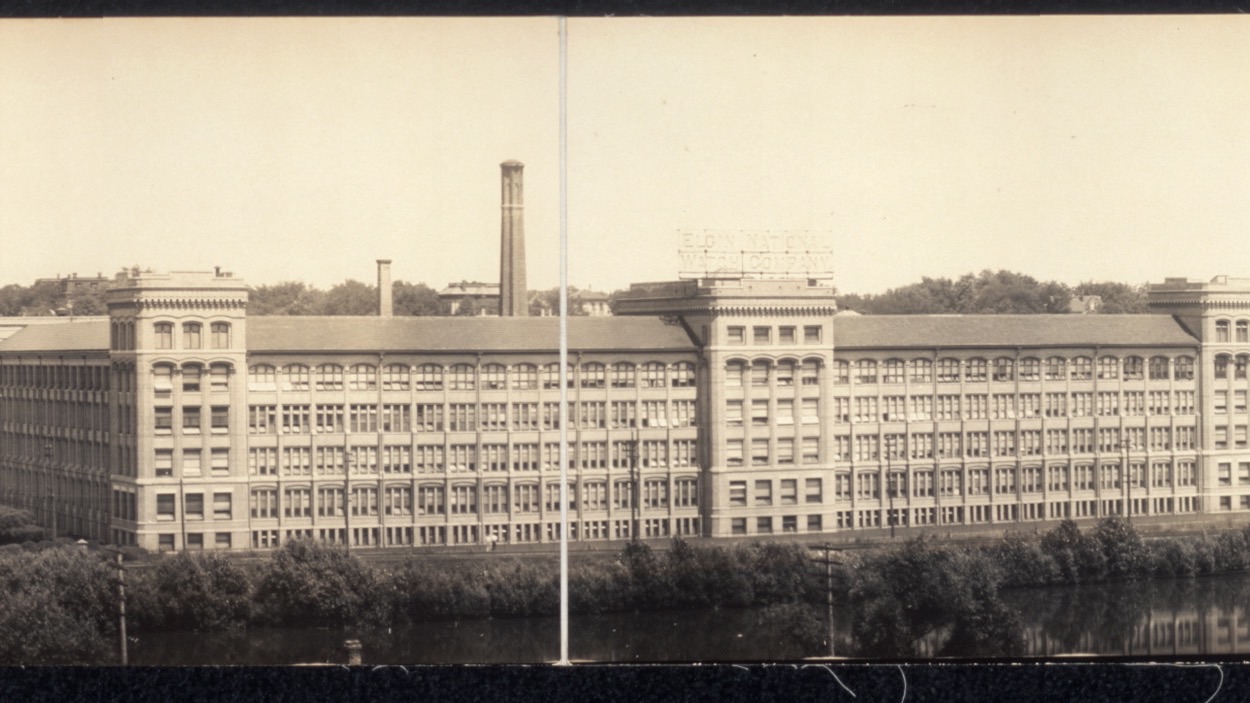
Why Elgin? Chicago money and Waltham men
Elgin grew up where the Fox River could be bridged on the stage road from Chicago to Galena. Wikipedia’s account says James T. Gifford and his brother Hezekiah founded it there in 1835, and Bill Briska names James T. and Laura Gifford as the city’s founders.3, 7
Before watches it was a dairy town. Wikipedia’s account says Elgin shipped butter and dairy goods to Chicago and that Gail Borden opened a condensed-milk factory there in 1866; Abbott’s history of 1888 lists an Elgin movement named the Gail Borden, placed on the market in 1871.1, 7
The idea came from Waltham. Abbott writes that in the spring of 1864 Ira G. Blake and P. S. Bartlett, both then with the Waltham company, visited Chicago and, with the watchmaker J. C. Adams, persuaded investors there that if Waltham could make watches by machinery for the West, Chicago could make them for the East. The National Watch Company of Chicago was incorporated on 27 August 1864.1, 2
Elgin won the factory with land. Its businessmen gave the company thirty-five acres on the east bank of the Fox River, just south of the town centre; Wikipedia’s account says four of them bought a derelict 71-acre farm for $3,550 to do it. Abbott records that its starting shop, a three-storey frame building, was put up “on the water power”.1, 2, 8
Briska calls Illinois an unlikely place for a watch company, since the trade and its skilled men were in New England. He writes that Elgin’s start rested on seven skilled recruits from Waltham, offered bonuses of $5,000 and a guaranteed $5,000 a year for five years when such men probably earned about $500, and that five of the seven were not watchmakers but mechanics, the machinists who built and kept the machines.3
What grew here: the “Big Shop”
Work on a permanent brick and stone factory began in 1865, the machinery moved in on 1 January 1866, and on 1 April 1867 the factory delivered its opening movement, the B. W. Raymond, named after the company’s president. In 1874 the company renamed itself the Elgin National Watch Company, because its movements were already known everywhere as Elgin watches.1, 2, 3
The factory and its neighbourhood grew together. Briska writes that a wing of 1868 doubled the factory and a building of 1873–74 more than doubled it again, and that it eventually covered more than 21 acres of floor. The city’s account of the Elgin National Watch historic district says employees built many houses around the factory as the company doubled by 1880, and that the company’s National House, a boarding house for single workers, had 350 rooms at its peak in 1919.3, 8
In 1910 the company built its own astronomical observatory, two blocks east of the factory at 312 Watch Street, to time its watches by the stars; its advertising soon said Elgin watches were “timed to the stars”.3, 5, 9
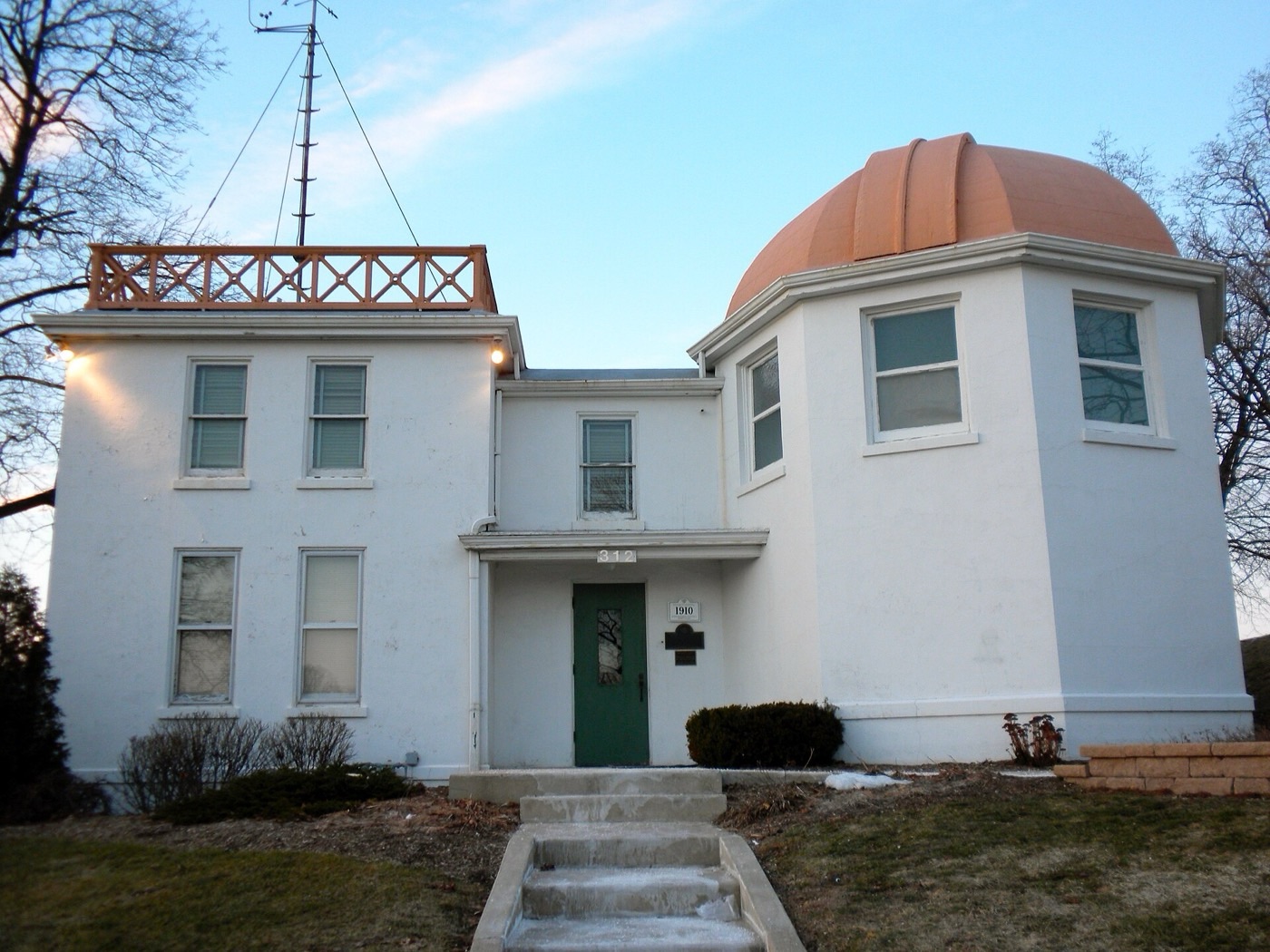
Wikipedia’s account of the observatory says it found sidereal time from star transits with a Warner & Swasey transit instrument and kept it on two Riefler clocks in a temperature-controlled vault; Briska adds that it was also a US Weather Bureau station until 1926.3, 9
Briska writes that piece rates were cut as the machines improved, so that by 1892 the average wage had not risen in fifteen years, and that after a brief strike by the finishers in 1898 the new president Charles Hulburd brought in the five-day week, the eight-hour day, pensions and employee share ownership. Employment peaked, he says, at 4,379 in 1927, and fell to about 400 in 1933.3
The company also trained the trade that sold its watches. Briska dates the Elgin Watchmakers’ College, which taught jewellers to sell and service watches in courses of one to three years, from January 1922 to 1 March 1960, with William H. Samelius as its director from 1923 to 1953.3
Who and what moved through
The founding foremen came from Waltham. Abbott lists Otis Hoyt, P. S. Bartlett, Charles S. Moseley, George Hunter, D. R. Hartwell, Charles E. Mason, D. G. Currier and J. K. Bigelow as contracting with the company for five years, and gives Moseley as general superintendent and Hunter as head of the machine shop. Briska writes that at least fifteen men had left Waltham for Elgin by 1867.1, 3
Then Elgin trained others’ workers. Briska writes that once it was thriving it lost men to nearly two dozen competing companies, and that John C. Adams, one of its founders, was later involved in starting at least four other watch companies. By the 1880s, he says, Elgin and Waltham sold about 80 per cent of the watches bought in America and kept their prices alike.3
Its watches went onto the railroads. Briska names the B. W. Raymond, Father Time and Veritas among the Elgin models accepted for railroad time service.3
In the Second World War the town made war goods. By mid-1942 the factory’s whole output went to the war, watches, timers, chronometers, aircraft instruments and fuzes among it, and no watches were made for civilians.2, 3
Production then left the town. Briska writes that in 1945 the company bought a factory at Lincoln, Nebraska, where it employed 1,800 by 1949; Wikipedia’s account says most manufacturing moved in 1963 to a new plant at Blaney, South Carolina, which renamed itself Elgin.2, 3
What changed because of it
The marker the Illinois State Historical Society and the Elgin Heritage Commission dedicated in 1989 calls the works the first watch factory built west of the Alleghenies and says it grew into the world’s largest, making more than 60 million Elgin watches under a clock tower 144 feet tall.4
Briska tells the decline: Swiss watches outsold comparable American jewelled watches from the mid-1920s, tariff help faded after 1945, the cheap Timex, from 1950, hurt it even though the two were not direct rivals, and diversification into other products failed. After losses from 1958 the company was steered into a merger, completed in 1969, that left it out of the watch business.3
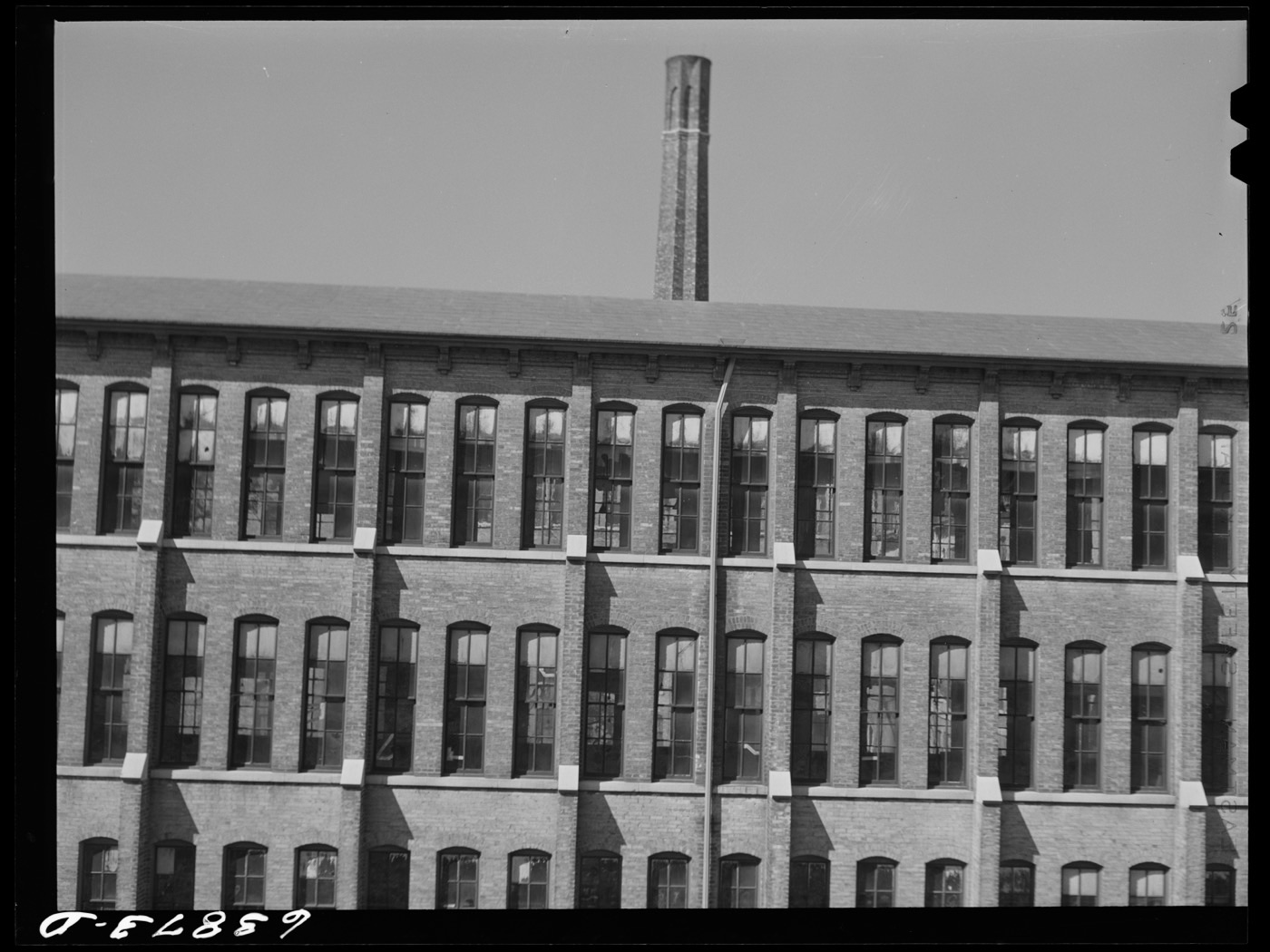
The sources differ on when the Elgin factory stopped: Wikipedia’s account of the company says it closed in 1964, its account of the city that production ceased in 1965. Both agree with the state marker that the factory, clock tower and all, was torn down in 1966.2, 4, 7
The observatory survived. Given to the local school district, U-46, in 1960, it gained a planetarium and became the district’s planetarium and observatory; it was listed on the National Register on 16 August 1994.3, 4, 5, 9
Historic Elgin describes the neighbourhood around the old works as the city’s Elgin National Watch historic district, designated in 1997, with the observatory, the Watch Factory Depot and workers’ cottages; the state marker stands at the entrance to the Clock Tower Plaza on the factory site.4, 8
Key dates
- 1864
The National Watch Company is incorporated in Chicago, 27 August, and Elgin businessmen give it a factory site.1, 2
- 1867
The factory delivers its opening movement, the B. W. Raymond.1, 2, 3
- 1874
The company becomes the Elgin National Watch Company.1, 2
- 1910
The company’s astronomical observatory opens on Watch Street.3, 5, 9
- 1942
By mid-year the whole output of the factory goes to the war.2, 3
- 1960
The observatory is given to School District U-46.3, 9
- 1966
The factory and its clock tower are torn down.2, 4, 7
- 1994
The observatory is listed on the National Register.5, 9
Where Elgin, Illinois leads
- Part of, HistoryAmerica industrializes the watch
The western rival founded with Chicago money and Waltham men, which became the largest maker of American jewelled watches.1, 2, 3
- Part of, HistoryWatches go to war
By mid-1942 the Elgin factory’s whole output, watches, timers, chronometers and fuzes, went to the war.2, 3
- See also, CompanyHamilton
Briska writes that by 1950 only Elgin and Hamilton were left as major American makers of jewelled watches.3
- See also, PlaceWaltham, Massachusetts
Elgin’s founding superintendent and foremen were men recruited from the Waltham factory in 1864.1, 3, 12
- See also, EventRailroad standard time
Briska names the B. W. Raymond, Father Time and Veritas as Elgin models accepted for railroad service.3
- See also, EventThe Philadelphia Centennial Exhibition
David’s report covers Elgin with Waltham as the two leading American factories.13, 14
- See also, EventThe Second World War
The Elgin factory made war goods alone from mid-1942 to 1945.2, 3
Facts and sources
- Country
- United States2, 4
- Where
- Kane County, Illinois, on the Fox River northwest of Chicago2, 4, 8
- Watchmaking
- The watch factory from 1866 to the mid-1960s; demolished in 19662, 4, 7
Sources
- 1
- 2
- 3
- 4
Elgin National Watch Company (historical marker, dedicated 14 October 1989) (opens in a new tab)
- 5
Elgin National Watch Company Observatory (NRIS 94000976) (opens in a new tab)
- 6
- 7
- 8
- 9
Elgin National Watch Company Observatory (opens in a new tab)
- 10
- 11
- 12
- 13
- 14
Sources read November 12, 2026.