Chronometry and certification
How the accuracy of a watch is tested and certified: from the observatory competitions of the nineteenth and twentieth centuries to today’s chronometer certificates, the Swiss federal Master Chronometer test, the Geneva Seal and makers’ own standards such as Grand Seiko’s.
Companies Breguet, Grand Seiko, Jaeger-LeCoultre, Longines, Omega, Seiko, Tudor, Vacheron Constantin
In the histories Longitude and the marine chronometer, Making watches today

Observatory trials
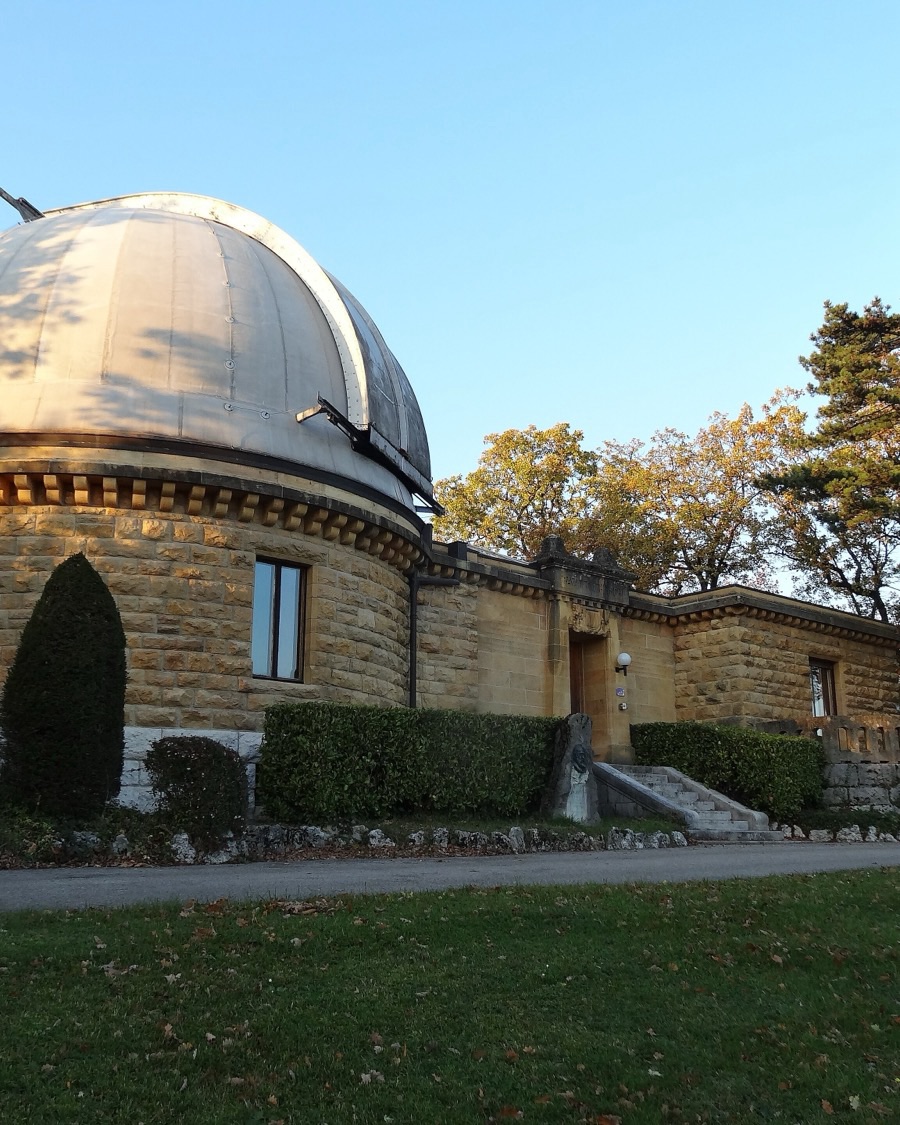
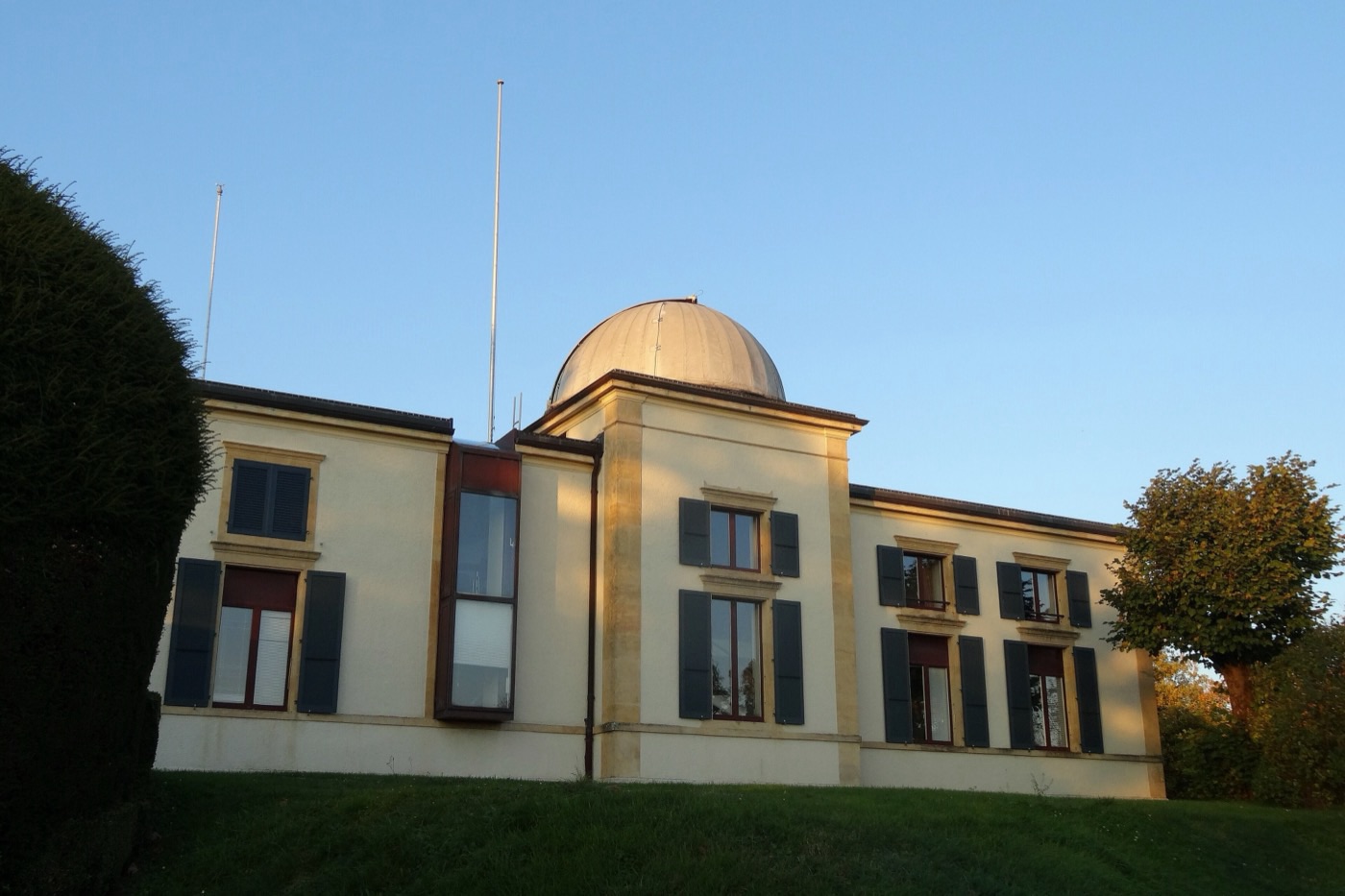
Before there were certificates for ordinary watches, makers proved their precision in the timing competitions of the Neuchâtel and Geneva observatories. Vacheron Constantin says it won prizes at Geneva over a century; Jaeger-LeCoultre says its tourbillon calibre won the 1946 competition. From Japan, Grand Seiko says Daini Seikosha and Suwa Seikosha came second and third for the series prize at Neuchâtel in 1967, and that at Geneva in 1968 Suwa Seikosha took fourth to tenth places, behind Swiss quartz watches.4, 6, 7
The chronometer certificate
COSC, the Swiss official chronometer testing body, has certified movements since 1973.9
The test is defined by ISO 3159. A chronometer, in its terms, is a movement whose average daily rate stays between four seconds slow and six seconds fast, measured by an accredited laboratory; the test covers the movement, not the cased watch.1, 2
Testing the finished watch
The Swiss Federal Institute of Metrology, METAS, adds a test of the whole watch. To be called a Master Chronometer, a watch must already have a chronometer movement under ISO 3159, and the cased watch must then run between zero and five seconds fast a day, keep time in strong magnetic fields of 1.5 tesla (15,000 gauss), and meet checks of power reserve and water resistance.2
Omega says it introduced the METAS tests in 2015 as eight tests over ten days. Tudor says much of its range is now certified the same way and that all its new watches will be.10, 11
The Geneva Seal and makers’ own standards
The Poinçon de Genève, or Geneva Seal, was set up by the Republic and Canton of Geneva in 1886. It is as much a mark of origin and finish as of precision: a certified watch must be assembled, adjusted, cased and inspected in the canton, its parts must meet rules of finishing, and its rate, water resistance, power reserve and functions are checked. Vacheron Constantin says its calibre 1003 carries the seal; see also Geneva.3, 6
Some makers set their own bar. Grand Seiko says it set the Grand Seiko Standard in 1966 at six seconds fast to three slow a day, tightened in 1969 to five fast and three slow, and describes it as stricter than the Swiss chronometer standard of the time.4
Key dates
- 1801
Breguet Breguet is granted a patent for the tourbillon.12, 13, 14
- 1844
Jaeger-LeCoultre The Millionometre, measuring to the micron.7, 15
- 1886
The Canton of Geneva establishes the Geneva Seal.3
- 1958
Jaeger-LeCoultre The Geophysic chronometer.7, 15
- 1961
Longines The calibre 360 competes at the Neuchâtel Observatory.16
- 1966
Grand Seiko Grand Seiko says it sets its own accuracy standard for mechanical watches.4
- 1966
Grand Seiko The Grand Seiko Standard for accuracy is set.4
- 1968
Seiko Seiko movements lead the mechanical wristwatch results at the Geneva observatory competition.4, 17
- 1973
COSC begins certifying chronometers.1, 9
- 1999
Omega Omega puts the Co-Axial escapement into series production.18, 19
- 2015
Omega Omega says it introduces the METAS Master Chronometer tests.10
- 2015
Omega Master Chronometer certification, with tests set by METAS, is introduced.10, 18, 19
- 2015
Where Chronometry and certification lead
- In this story, CompanyBreguet
Abraham-Louis Breguet patented the tourbillon, a regulator meant to improve precision, in 1801, and was watchmaker to the French Royal Navy.12, 13
- In this story, CompanyGrand Seiko
Grand Seiko says it set its own accuracy standard in 1966 and entered the Swiss observatory competitions.4
- In this story, CompanyJaeger-LeCoultre
Jaeger-LeCoultre says its tourbillon calibre won the 1946 chronometry competition, and it made the Geophysic chronometer in 1958.7, 15
- In this story, CompanyLongines
Longines says its high-frequency calibre 360 took the top two places in the Neuchâtel Observatory competition of 1961.16
- In this story, CompanyOmega
Omega says it introduced METAS’s Master Chronometer tests of the finished watch in 2015.10
- In this story, CompanySeiko
The Swiss observatory contests where Seiko’s two factories competed in 1967 and 1968.4, 21
- In this story, CompanyTudor
Tudor says much of its range is certified Master Chronometer by METAS, and that all its new watches will be.11
- In this story, CompanyVacheron Constantin
Vacheron Constantin entered the Geneva Observatory’s timing competitions in the nineteenth century, and says its calibre 1003 carries the Geneva Seal.6
- In this story, PersonAbraham-Louis Breguet
Breguet was a member of the Bureau des Longitudes and watchmaker to the French Royal Navy, and patented the tourbillon in 1801.12, 22
- In this story, PlaceNeuchâtel
The observatory ran timing competitions and issued bulletins de marche from the 1860s.23, 24
- Part of, HistoryLongitude and the marine chronometer
The rating of chronometers at Greenwich is the root of later timing trials and certificates.25, 26
- Part of, HistoryMaking watches today
The chronometer test of COSC and the federal Master Chronometer test of METAS.2, 23
- See also, HistoryFrance and the science of horology
Besançon's observatory certified chronometers within the European observatory-trial system.27, 28
- See also, HistoryThe electric and quartz revolution
Quartz prototypes set records at the 1967 Neuchâtel observatory trials.29, 30
- See also, PlaceBesançon
The observatory (1878/1885) ran chronometer trials and the viper's-head mark.27, 28
- See also, PlaceGeneva
The Geneva Seal, set up by the canton in 1886, certifies watches made and inspected in Geneva.3
- See also, PlaceGreenwich
Chronometers were tested and rated at the Royal Observatory from 1821, the root of later timing trials.26, 31
- See also, PlaceSuwa
Suwa Seikosha competed at the Neuchâtel and Geneva observatories in 1967 and 1968.4, 21
- See also, TechnologyThe balance spring
Temperature compensation of balance and spring underlies precision timekeeping.32, 33
- See also, TechnologyThe marine chronometer
Chronometers were rated and tested at the Royal Observatory from 1821.25, 31
Facts and sources
- Standards
- ISO 3159 (chronometer), METAS N001 (Master Chronometer)2
- Certifying bodies
- COSC (La Chaux-de-Fonds), METAS-Cert, Poinçon de Genève2, 3, 9
Sources
- 1
- 2
- 3
- 4
- 5
- 6
- 7
- 8
- 9
- 10
- 11
- 12
- 13
225 years since the invention of the Tourbillon (opens in a new tab)
- 14
- 15
- 16
- 17
- 18
- 19
- 20
- 21
History of Seiko and its products, stage 2 (1950s to 1960s) (opens in a new tab)
- 22
- 23
- 24
- 25
- 26
233 (ZAA0057), marine chronometer by Thomas Porthouse (opens in a new tab)
- 27
- 28
2 machines à estampiller Hérique (dossier IM25001913) (opens in a new tab)
- 29
Milestones: Pioneering Work on the Quartz Electronic Wristwatch, 1962-1967 (opens in a new tab)
- 30
Milestones: Electronic Quartz Wristwatch, 1969 (opens in a new tab)
- 31
History of the Royal Observatory and the Astronomers Royal (opens in a new tab)
- 32
- 33
Watch (Encyclopaedia Britannica, 11th edition, 1911) (opens in a new tab)
Sources read November 11, 2026.