Suwa
The lake town in Nagano where a parts workshop of 1942 and Seiko’s wartime evacuation plant became Suwa Seikosha, which made the Marvel, the Quartz Astron and, by Grand Seiko’s account, the Grand Seiko of 1960, and is now Seiko Epson.
Japan, Nagano Prefecture, on Lake Suwa
Companies here Grand Seiko, Orient, Seiko
In the history Japan builds a watch industry
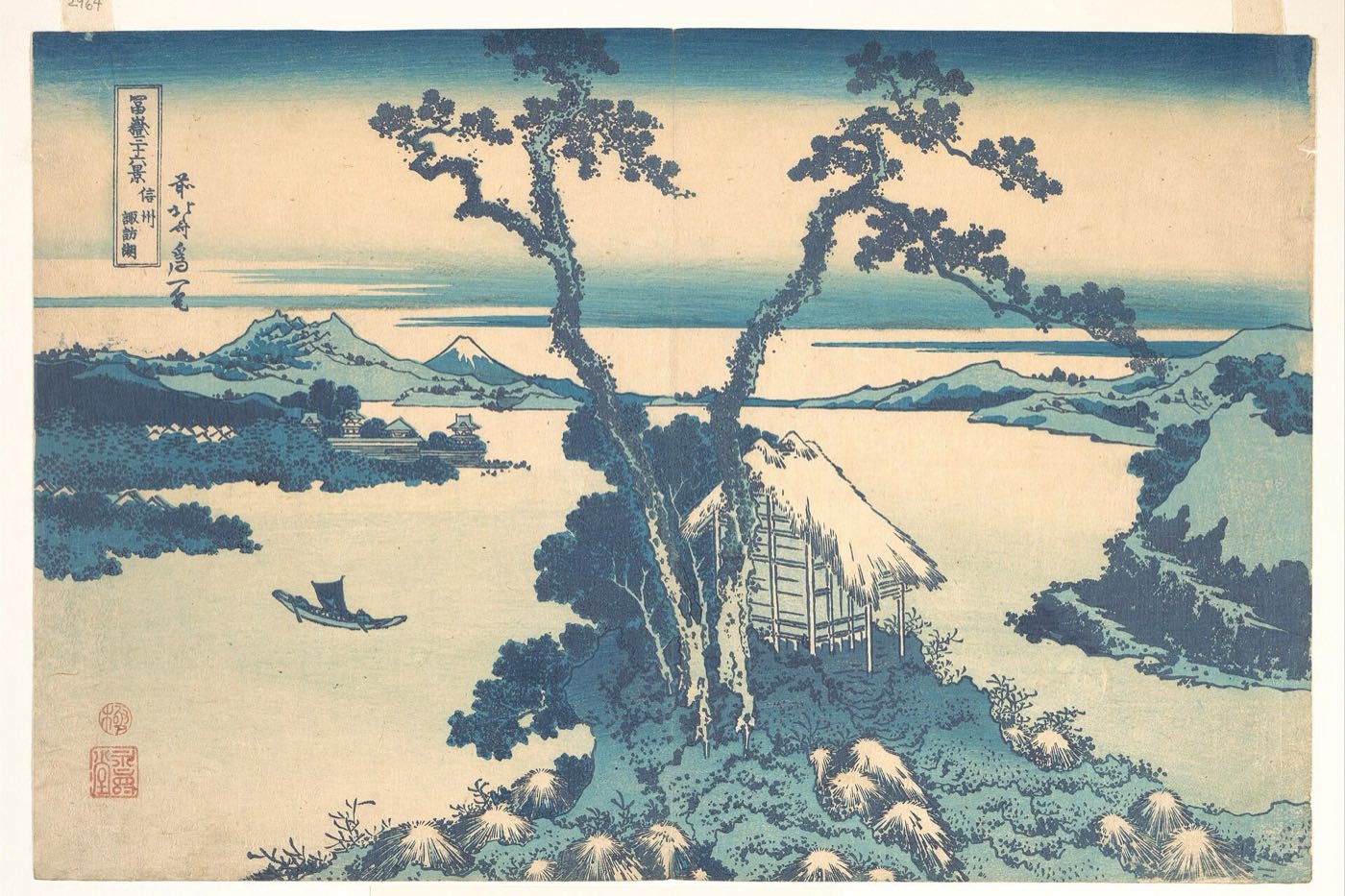
Why Suwa?
Suwa lies in the middle of Nagano Prefecture on the shore of Lake Suwa, high in the mountains of central Japan; Wikipedia records that it grew as the castle town of the Suwa domain in the Edo period.7
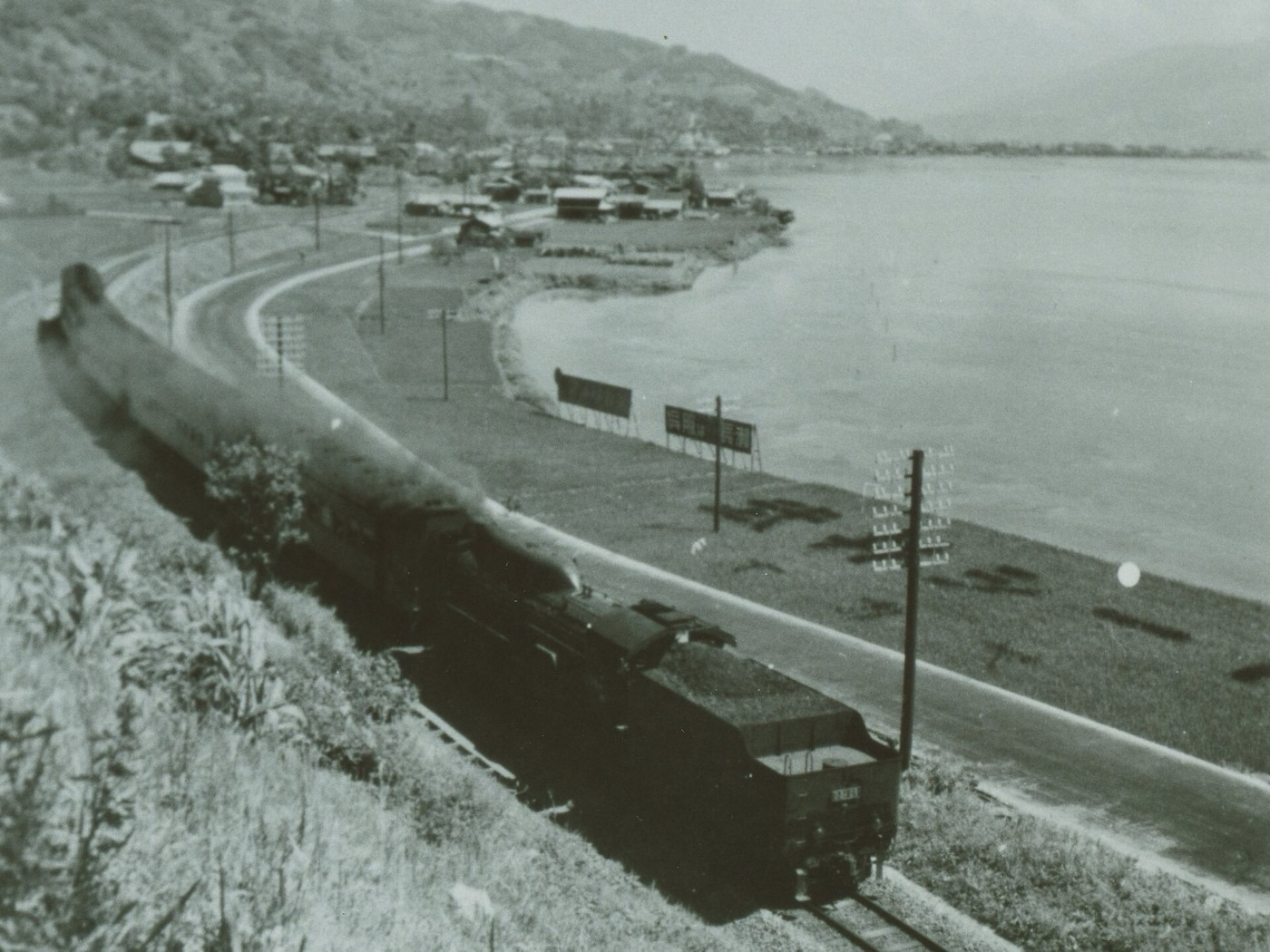
Silk came before watches. The lake country raised silkworms from the Edo period and prospered on silk reeling after the Meiji Restoration; in the early Meiji years people in neighbouring Okaya improved French and Italian reeling machines into the Suwa-style reeling machine, which spread across Japan, and most of the raw silk was exported.9, 10
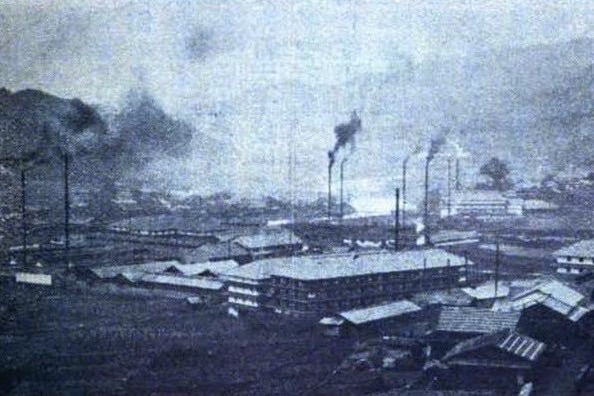
Silk left a metalworking trade behind it. The Cabinet Office describes a general machinery industry growing out of repairing reeling machines and supplying their parts, the ground the later precision trades stood on.9
Watchmaking began as a local venture. Saburo Kusama, a Suwa Seikosha engineer and later adviser to Seiko Epson, writes that Hisao Yamazaki, a Suwa watch dealer, founded Daiwa Kogyo in 1942 looking for an industry to replace silk reeling; Seiko's chronology records the firm as a cooperating company of Daini Seikosha, Seiko's watch factory in Tokyo.1, 12, 13
The war brought Tokyo's watch factory inland. Daini Seikosha opened a plant in Suwa in 1943 as a wartime evacuation, and the Seiko Museum says that after its Kameido works was destroyed, production restarted in evacuation factories at Kiryu, Toyama, Sendai and Suwa. The Cabinet Office counts this transfer of skills from evacuated city factories among the roots of Suwa's industry.2, 9, 12, 13
Suwa came to be called the "Switzerland of the East", but accounts differ on why. Epson's anniversary history says its founders believed Suwa's climate, with its low summer humidity, was like Switzerland's and suited precision work, and Epson's president called the 1942 founding the start of the name; the Cabinet Office and a University of Tokyo study tie the name to the concentration of precision industry after the war.9, 14, 15, 16
What grew here: from a miso storehouse to Suwa Seikosha
Epson tells its beginning as a small one: Daiwa Kogyo started work on 18 May 1942 in a converted miso storehouse with nine employees, assembling watch parts.14, 15, 17
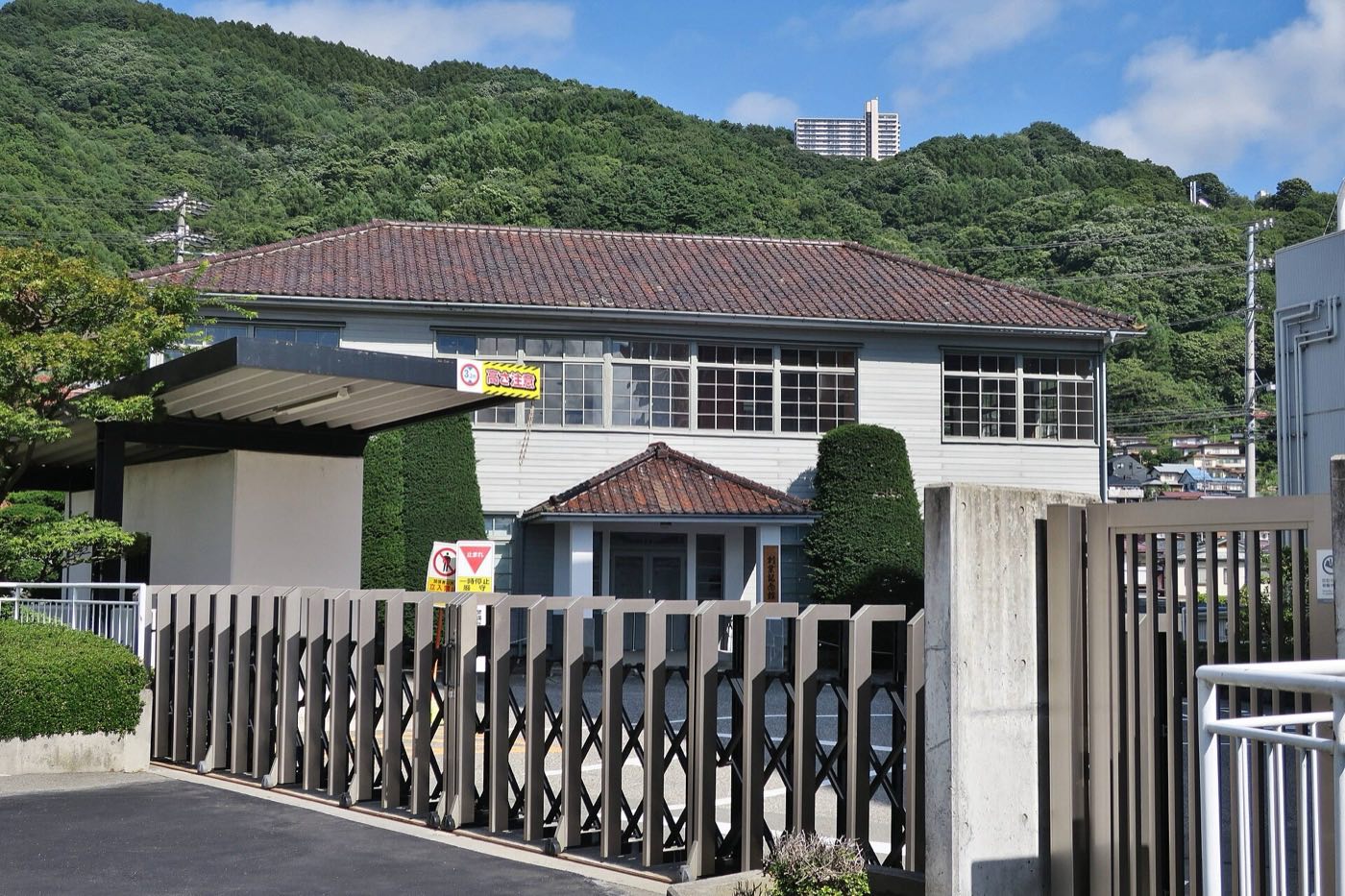
Suwa outlasted the other evacuation plants. The Seiko Museum says that at the end of 1949 all of them except Suwa were closed so that Kameido could be rebuilt; Kusama writes that Daiwa Kogyo and Daini's Suwa plant ran in effect as one watch factory after the war.2, 12
In 1959 the Suwa works became Suwa Seikosha, today Seiko Epson, and the two companies describe the step differently. Seiko's chronology says the Suwa factory became independent; Epson's account, as its president told it in 2022, is that Daiwa Kogyo took over the Suwa plant from Daini and renamed itself.1, 4, 13, 15
Suwa designed watches of its own. Kusama dates its turn from copying Swiss practice to its own designs to about 1955; Epson counts the Marvel of 1956 among its watches, which the Seiko Museum says beat Swiss entries at a contest held by the Japanese branch of the American Watchmakers-Clockmakers Institute. Grand Seiko says Suwa Seikosha produced the Grand Seiko of 1960.4, 5, 12, 15, 19
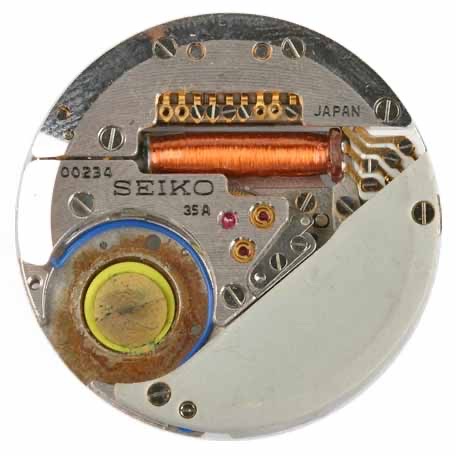
The IEEE dates the 59A project, Suwa Seikosha's search for an electronic timepiece, to 1959. Kusama recalls that Suwa started later than Seiko's two Tokyo factories and ran three teams at once: a tuning-fork watch, stopped because Bulova held the patents and licensed no one; an electronically driven balance, halted before sale as not accurate enough; and quartz, the hardest and the one that remained.3, 12
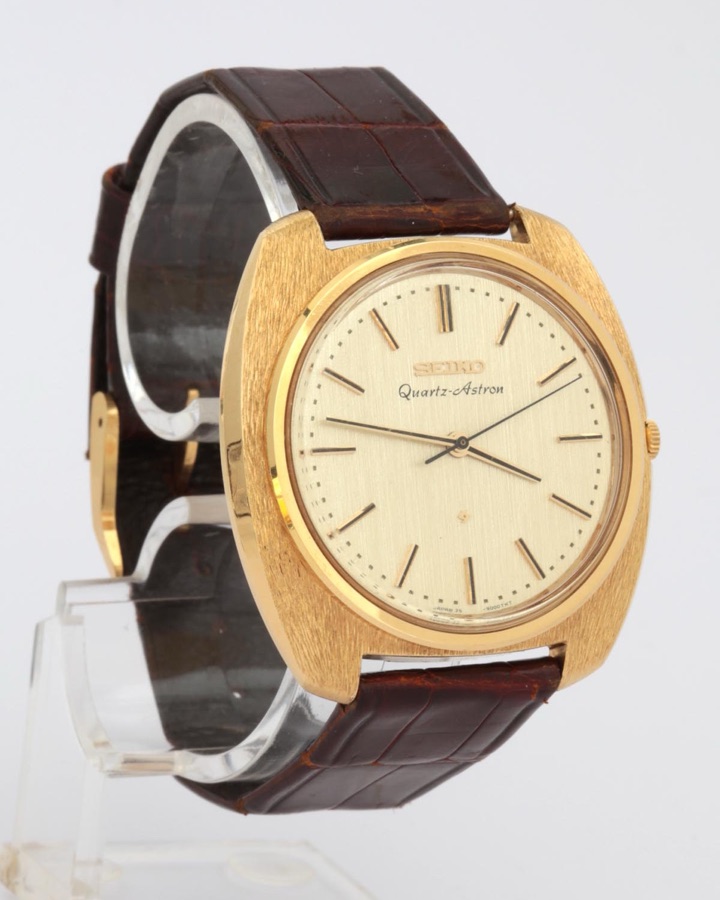
The IEEE credits a team led by Tsuneya Nakamura at Suwa Seikosha with the Quartz Astron, whose crystal ran at 8,192 cycles a second; it went on sale on 25 December 1969. Kusama, who designed its divider circuit, writes that only 50 could be made in time, at 450,000 yen each, and that they sold out.3, 12, 20
Who and what moved through
Skills came from Tokyo. Daini Seikosha, set up in Kameido in 1937 as Seikosha's watch division, brought its people and work to Suwa with the evacuation; Kusama says Daini had begun hiring electrical, metallurgical and physical-chemistry engineers five to seven years before Suwa, which then followed its lead.2, 12
Parts and machines came from far away. Kusama lists high-frequency transistors obtained from NEC, an American Kulicke & Soffa wire bonder, a mould ordered from a Chicago maker, and CMOS chips from Intersil in Silicon Valley, for which Suwa and Daini jointly contracted 500,000; the 35SQC of January 1971 used them.12
Suwa's movements went to Switzerland. Suwa Seikosha and Daini Seikosha entered the observatory competitions under their own names; they placed second and third for series of movements at Neuchâtel in 1967, and at Geneva in 1968 Suwa took fourth to tenth places, behind three Swiss quartz watches.19, 23
Suwa and Neuchâtel raced to the quartz wristwatch, and who won depends on what is counted. The IEEE says Suwa Seikosha had a prototype in 1967, the year the Swiss laboratory in Neuchâtel set records with its own; Seiko and the IEEE describe the Astron of 1969 as the first quartz wristwatch sold to the public.3, 24, 25, 26
The work spread to Suwa's neighbour Shiojiri. Grand Seiko says its Shinshu Watch Studio sits in a Seiko Epson facility there, and that Spring Drive began as an idea of the young engineer Yoshikazu Akahane at Shiojiri in the 1970s, becoming a Grand Seiko movement in 2004.5
What changed because of it
The Seiko Museum says Seiko disclosed a large part of its quartz patents, unlike Bulova with its tuning fork, that makers in Japan and abroad adopted the Seiko method, and that as prices fell Japanese manufacturers came to lead the market for watch movements.26
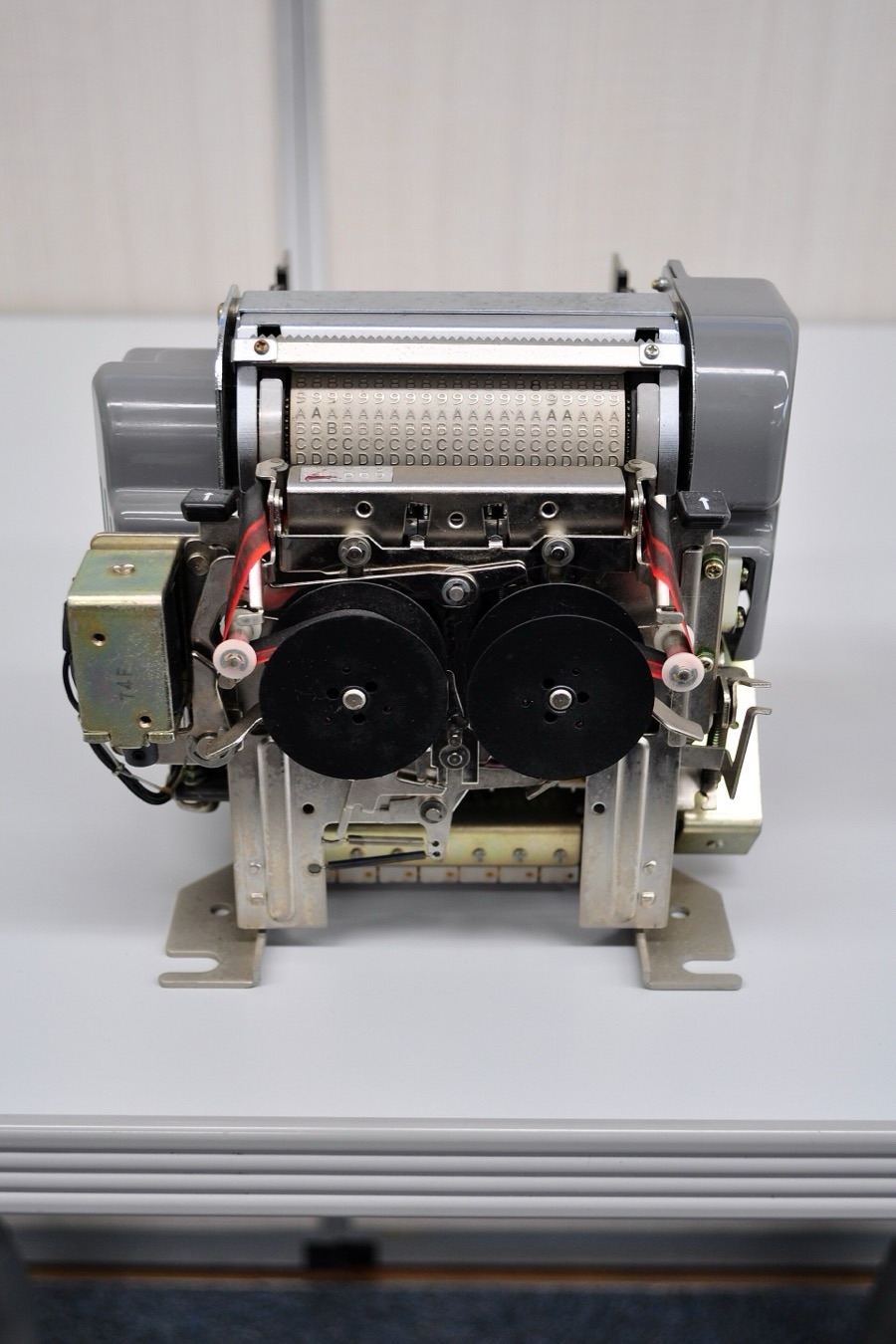
Watch work led Suwa into printers. Suwa Seikosha set up Shinshu Seiki in 1961, and a printing timer for the 1964 Tokyo Olympics led to the small EP-101 printer, dated to September 1968 by Epson and to 1969 by Hiragana Times; the EPSON name followed in 1975, and Suwa Seikosha and Epson merged as Seiko Epson in 1985.4, 13, 15, 17
Quartz made Suwa a chipmaker. Kusama writes that Suwa built its own CMOS chips for the 38SQW of December 1971, that quartz profits through the 1970s and 1980s paid for Epson's growth into printers, and that a semiconductor plant at Fujimi, near Suwa, opened at the start of 1980.12
The cluster around the lake moved on with it. The Cabinet Office describes the area going from silk to precision machinery and then to electrical and electronic machinery; a University of Tokyo study finds manufacturing firms and jobs falling since the mid-1980s as production moved abroad, with precision instruments turning to electronic parts.9, 16
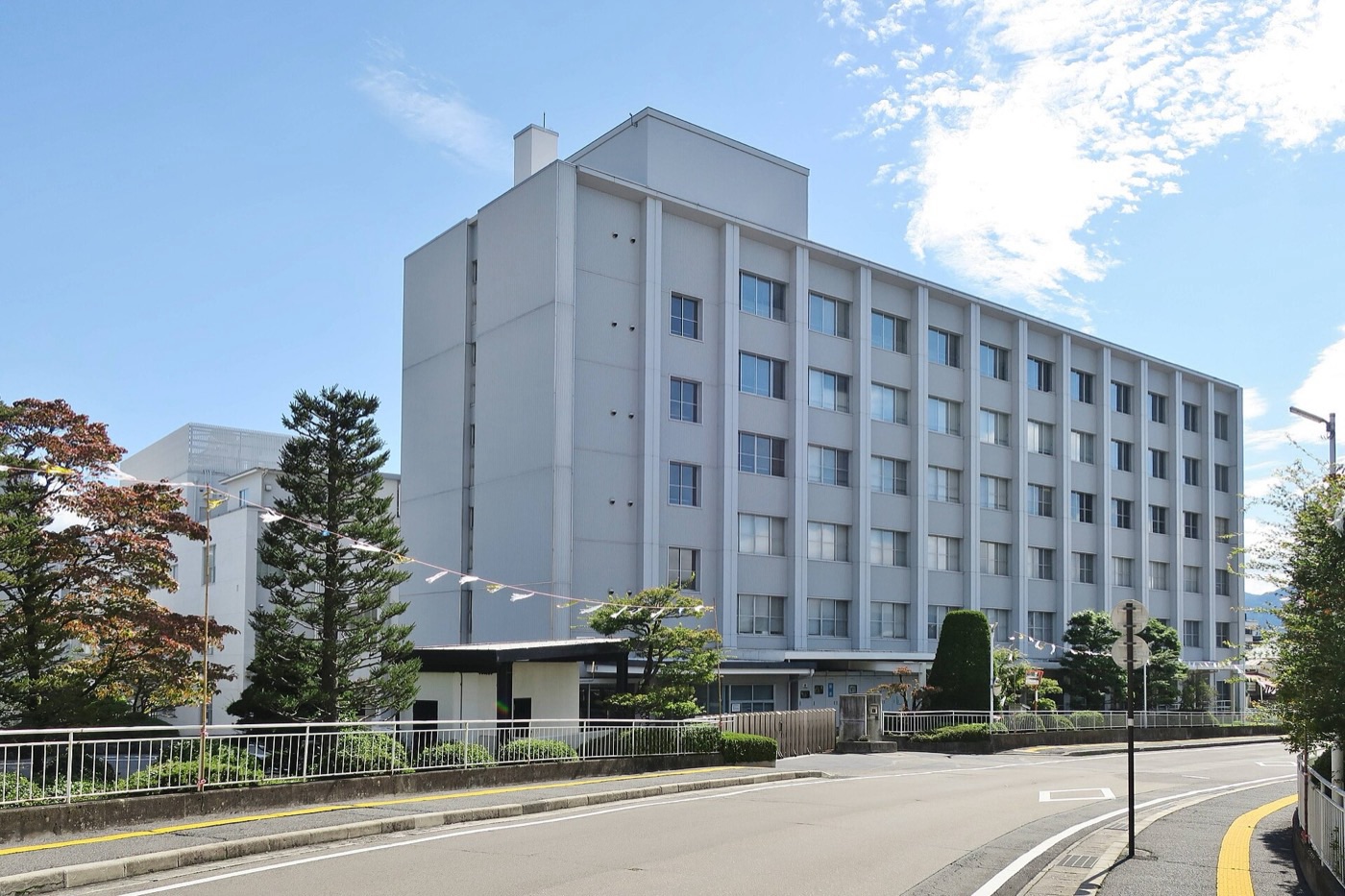
Suwa is still a watch town. Seiko Epson keeps its head office there, its Shinshu Watch Studio in Shiojiri makes Grand Seiko's quartz and Spring Drive watches, and Epson absorbed Orient Watch into its own business in 2017.4, 5, 28
Key dates
- 1942
Hisao Yamazaki's Daiwa Kogyo is set up in Suwa to make watch parts.1, 4, 15
- 1943
Daini Seikosha opens an evacuation plant in Suwa.2, 12, 13
- 1949
Seiko closes its other evacuation plants and keeps Suwa.2
- 1956
The Marvel goes on sale.1, 4
- 1959
Suwa Seikosha is formed; its 59A project begins.1, 3
- 1960
Grand Seiko says Suwa Seikosha made the Grand Seiko of this year.1, 5
- 1961
Shinshu Seiki is set up to supply watch parts.4
- 1967
Suwa and Daini place second and third at the Neuchâtel observatory.1, 23
- 1968
The EP-101 printer, by Epson's dating.4, 15
- 1969
The Quartz Astron goes on sale in Tokyo on 25 December.3, 26
- 1985
Suwa Seikosha and Epson merge as Seiko Epson.4
Where Suwa leads
- Part of, HistoryJapan builds a watch industry
Seiko's second watchmaking centre, grown from a 1942 workshop and the wartime evacuation of Daini Seikosha.1, 2
- Part of, HistoryThe electric and quartz revolution
Where Suwa Seikosha developed the Quartz Astron from 1959.3, 26
- See also, CompanyGrand Seiko
Grand Seiko says Suwa Seikosha produced its 1960 watch; its Shinshu Watch Studio is in Shiojiri nearby.5
- See also, CompanyOrient
Seiko Epson, the former Suwa Seikosha, owned Orient from 2001 and absorbed it in 2026.4, 30
- See also, CompanySeiko
One of the two factories that made Seiko watches, with Daini Seikosha in Tokyo.1, 23
- See also, PlaceNeuchâtel
Neuchâtel's laboratory and Suwa both had quartz wristwatch prototypes in 1967.3, 24
- See also, PlaceTokyo
Daini Seikosha’s Tokyo work was evacuated to Suwa in the war, and the Suwa plant stayed.2, 12
- See also, TechnologyThe electric watch
Kusama says Suwa dropped its tuning-fork watch because Bulova held the patents.12
- See also, TechnologyThe quartz watch
Suwa Seikosha worked on quartz timekeeping from 1959.3, 26
- See also, ObjectThe Seiko Astron
Developed and made at Suwa Seikosha.3, 31
- See also, GroupSeiko Group
Suwa Seikosha, the group's Suwa factory company, is today Seiko Epson.1, 4
- See also, TraditionChronometry and certification
Suwa Seikosha competed at the Neuchâtel and Geneva observatories in 1967 and 1968.19, 23
- See also, TraditionJapanese watchmaking
Japan's second watchmaking centre after Tokyo.1, 2
- See also, EventThe quartz crisis
The Seiko Museum says Japanese makers came to lead the movement market as quartz prices fell.26
- See also, EventThe Second World War
The Seiko Museum says Suwa was the one evacuation factory kept after 1949.2
Facts and sources
Sources
- 1
- 2
History of Seiko and Its Products, Stage 1 (1881-1920s) (opens in a new tab)
- 3
Milestones: Electronic Quartz Wristwatch, 1969 (opens in a new tab)
- 4
- 5
- 6
- 7
- 8
- 9
[事例2-2] グローバル化への挑戦 諏訪・岡谷地域の試み (Regional Economy 2004) (opens in a new tab)
- 10
明治150年: 養蚕・製糸 (Okaya and the Suwa-style reeling machine) (opens in a new tab)
- 11
Silk-reeling mills at Okaya, from Kaikoku gojūnen shi, 1908. (opens in a new tab)
- 12
- 13
- 14
- 15
セイコーエプソン、創業80周年 エプソンミュージアム諏訪 (NewsInsight 160) (opens in a new tab)
- 16
- 17
Creating Printers with Technology Used to Manufacture Wristwatches (opens in a new tab)
- 18
- 19
History of Seiko and its products, stage 2 (1950s to 1960s) (opens in a new tab)
- 20
- 21
Quartz wristwatch Astron, Seiko, Japan, 1969 (Deutsches Uhrenmuseum) (opens in a new tab)
- 22
- 23
- 24
Milestones: Pioneering Work on the Quartz Electronic Wristwatch, 1962-1967 (opens in a new tab)
- 25
- 26
History of Seiko and its products, stage 3 (1960s to 1980s) (opens in a new tab)
- 27
An EP-101 printer, which the record says was made in 1968 by Shinshu Seiki. (opens in a new tab)
- 28
- 29
Seiko Epson headquarters in Suwa, Nagano, September 2022. (opens in a new tab)
- 30
Notice of Absorption-Type Merger of a Wholly Owned Subsidiary (5 November 2025) (opens in a new tab)
- 31
Sources read November 12, 2026.