Japanese watchmaking
How Japan went from importing Western clocks and watches in the 1880s to making its own, competing with Swiss chronometers in the 1960s and leading the turn to electronic watches from 1969.
Companies Casio, Citizen, Grand Seiko, Seiko

From imports to a home industry
In the 1880s Japanese dealers bought their imported clocks and watches from foreign trading houses in the open ports, such as Yokohama and Kobe, while small makers in Tokyo, Osaka and Nagoya studied Western pocket watches and made versions of their own.1
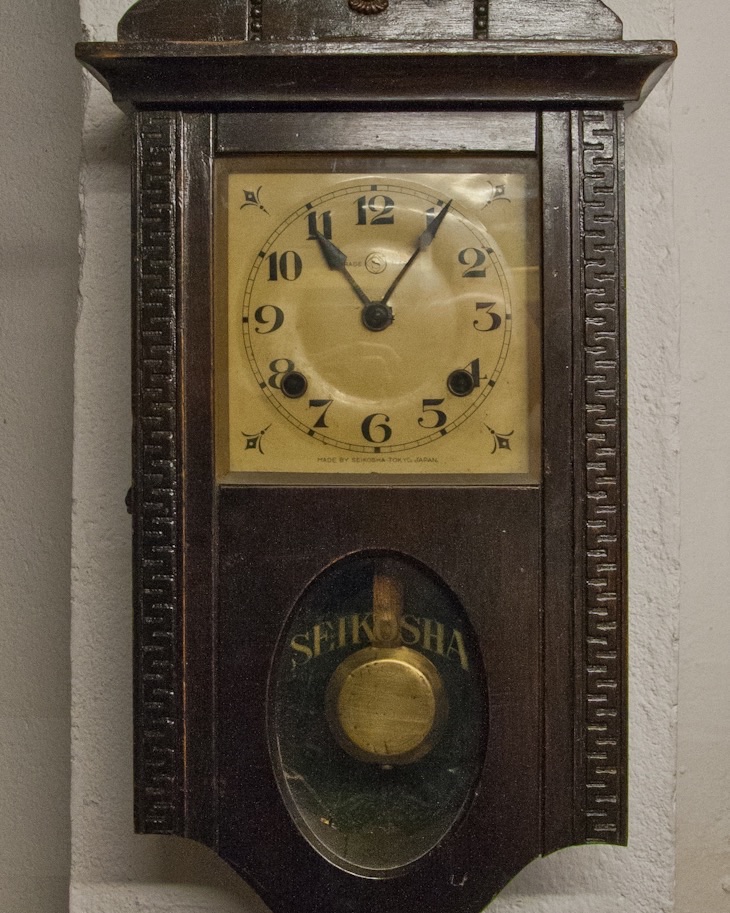
The industry grew from dealers who turned to manufacturing. Kintaro Hattori, a Tokyo importer, opened the Seikosha factory in 1892 and equipped it with American machinery; in 1905 he wrote that Japanese clockmaking lagged the West for want of modern machines and mechanical knowledge, and that technical schools were the remedy.6, 7
Seiko’s Laurel wristwatch appeared in 1913 and the SEIKO brand in 1924. Citizen began in 1918 as a research institute set up to make watches in Japan, and its 1924 pocket watch went on sale when most watches sold in the country were still imported.2, 8, 9
Where the watches are made
The trade began in Tokyo: Hattori’s shop in Kyobashi and then Ginza, his factory in Honjo, and Citizen’s Tanashi factory of 1936. Casio started in Mitaka, Tokyo, in 1946.1, 6, 9, 10
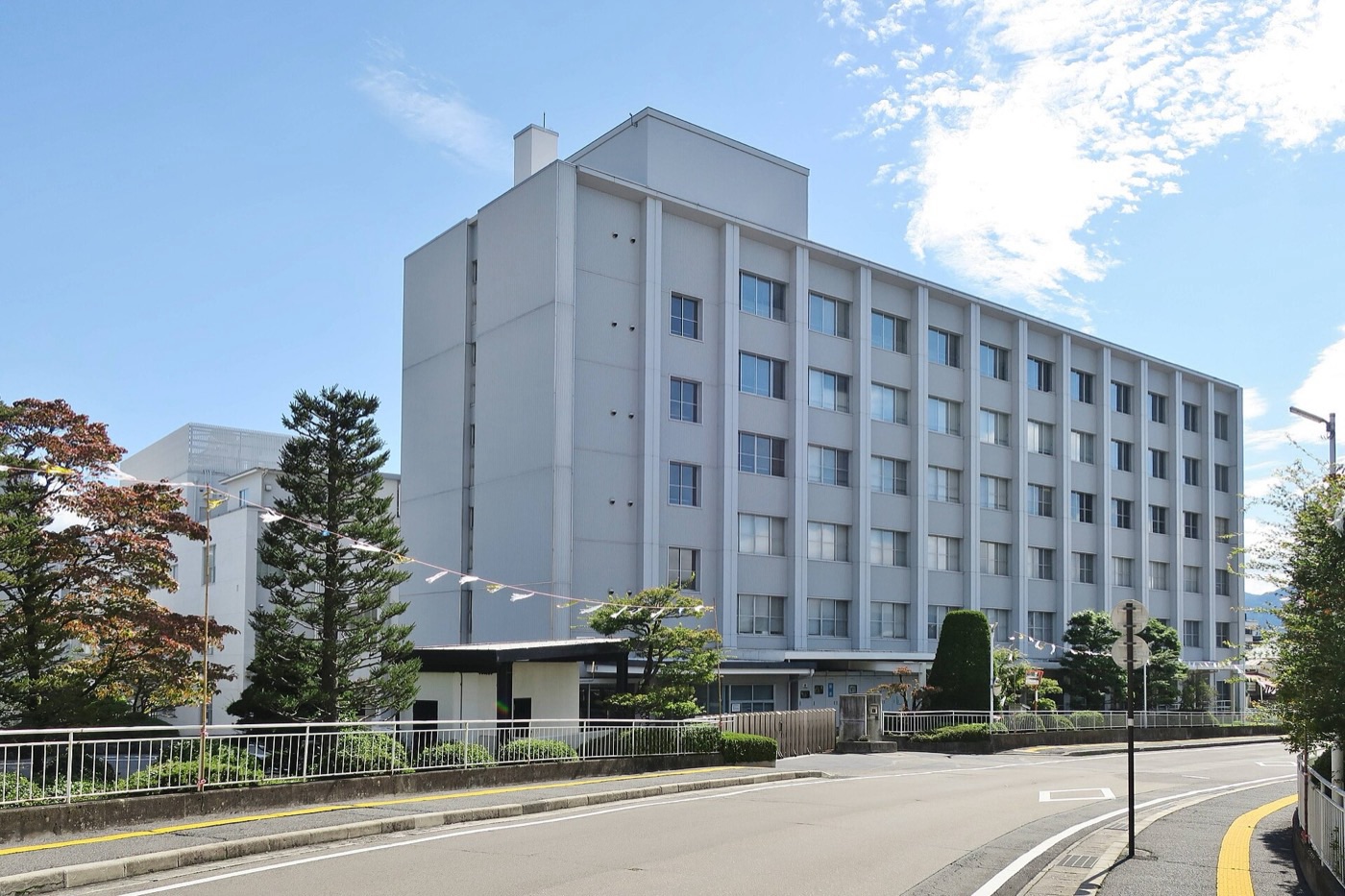
Suwa, in Nagano, became the second centre. Daini Seikosha had a plant there, which Daiwa Kogyo took over in 1959 as Suwa Seikosha, today Seiko Epson. Epson still has its head office in Suwa and plants across Nagano, and its Shinshu Watch Studio makes high-end quartz and Spring Drive watches, Grand Seiko’s among them.8, 11, 12, 13, 14
Shizukuishi, in Iwate, is the third. Seiko opened a studio for mechanical watches there in 2004, and in 2020 Grand Seiko Studio Shizukuishi opened on a manufacturing site of Morioka Seiko Instruments.8, 16, 17
Measured against Switzerland
After the war Seiko stopped copying foreign watches and designed its own, beginning with the Marvel of 1956, then aimed at the Swiss chronometer standard with Grand Seiko in 1960.3, 18
Seiko’s two factories entered the observatory competitions in Switzerland from 1964. They placed second and third for series of movements at Neuchâtel in 1967, and at Geneva in 1968 Suwa Seikosha led the mechanical wristwatches, behind three Swiss quartz watches. The contests themselves are on the Chronometry and certification page.3, 16, 18
The electronic watch
Seiko’s Quartz Astron went on sale on December 25, 1969, and Seiko opened much of its quartz patent portfolio to other makers. Seiko says Japanese companies came out of the decade leading the market for watch movements, sold to assemblers who no longer had to make their own. The Swiss side is the The quartz crisis.4, 19, 20
Others took electronics their own way. Casio, a calculator maker, began making watches in 1974 with a digital quartz watch built on its calculator chips; Citizen released a light-powered analogue quartz watch in 1976.21, 22
Seiko’s history is kept at the Seiko Museum Ginza, which moved to Ginza in 2020 and added a Grand Seiko Museum in 2024. In 2014 the Quartz Astron was registered as Mechanical Engineering Heritage of Japan.4, 8, 11
Key dates
- 1881
- 1892
- 1913
- 1918
Citizen The Shokosha Watch Research Institute, Citizen’s forerunner, is set up.2, 9
- 1924
Citizen The institute completes its pocket watch, named CITIZEN.2, 9
- 1974
Casio The Casiotron, a digital quartz watch with an automatic calendar.21
- 2000
The Micro Artist Studio is founded within what is now Epson’s Shinshu Watch Studio.13
- 2004
Seiko opens the Shizukuishi Watch Studio for mechanical watches.8, 16
- 2014
The Quartz Astron is registered as Mechanical Engineering Heritage of Japan.4
- 2020
The Seiko Museum moves to Ginza.8, 16
- 2020
Grand Seiko Grand Seiko Studio Shizukuishi opens.16
Where Japanese watchmaking leads
- In this story, CompanyCasio
A calculator maker’s route into Japan’s watch industry, from 1974.10, 21
- In this story, CompanyCitizen
Citizen was set up in 1918 to make watches in a country that still imported most of them.2, 9
- In this story, CompanyGrand Seiko
Where Grand Seiko is made: Shizukuishi in Iwate and Epson’s studio in Nagano.13, 14, 16
- In this story, CompanySeiko
Seiko’s factories in Tokyo, Suwa and Shizukuishi are the backbone of Japan’s watch industry.8, 11, 16
- In this story, PersonKintarō Hattori
Hattori helped turn Japan from importing clocks to making them, and was honoured for it in 1915.6, 7
- See also, HistoryJapan builds a watch industry
The earlier overview of the same story, told in full in the history.23, 24
- See also, PlaceSuwa
Japan's second watchmaking centre after Tokyo.16, 23
- See also, GroupSeiko Group
The group’s offshoots, Daini and Suwa Seikosha, built Japan’s watchmaking centres.11, 16
- See also, EventJapan adopts equal hours
The Japan Clock & Watch Association dates Japanese wall-clock making from 1875, two years after the reform brought Western clocks in.23, 24
- See also, EventThe quartz crisis
The Japanese side of the quartz years, which Seiko says left Japan leading the market for movements.4, 20
Facts and sources
- Country
- Japan2, 8, 10
- Main watchmaking places
- Tokyo; Suwa, in Nagano; Shizukuishi, in Iwate8, 11, 12, 16
Sources
- 1
Episode 2: Establish K. Hattori & Co. (1881 to 1891) (opens in a new tab)
- 2
- 3
History of Seiko and its products, stage 2 (1950s to 1960s) (opens in a new tab)
- 4
History of Seiko and its products, stage 3 (1960s to 1980s) (opens in a new tab)
- 5
- 6
Episode 3: Establish Seikosha Factory (1892 onward) (opens in a new tab)
- 7
- 8
- 9
- 10
- 11
- 12
- 13
- 14
- 15
Seiko Epson headquarters in Suwa, Nagano, September 2022. (opens in a new tab)
- 16
- 17
- 18
- 19
Milestones: Electronic Quartz Wristwatch, 1969 (opens in a new tab)
- 20
- 21
- 22
- 23
History of Seiko and Its Products, Stage 1 (1881-1920s) (opens in a new tab)
- 24
History of the Japanese Horological Industry (opens in a new tab)
Sources read November 12, 2026.