Kintarō Hattori
A Tokyo clock dealer (1860 to 1934) who turned to making clocks and watches and founded the business that became Seiko.
Born 1860, Tokyo, Died 1934, aged 73
Companies Seiko
In the history Japan builds a watch industry
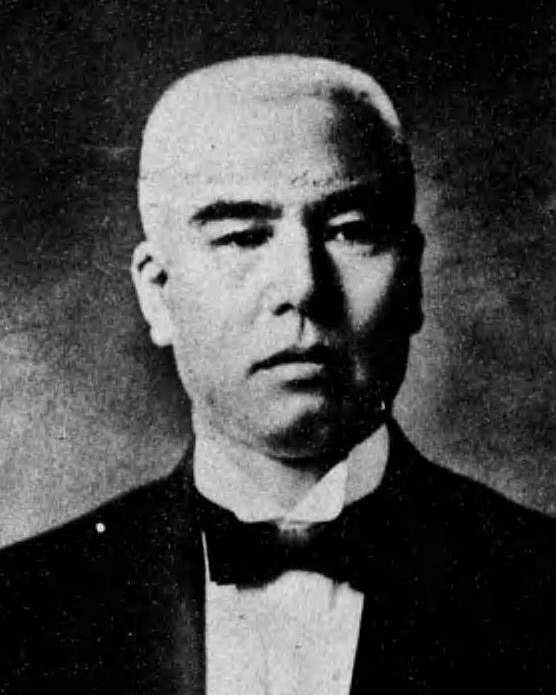

A dealer in imported clocks
At 13 Hattori was apprenticed to a clock shop, and at 17 he hung a sign at his family’s house offering clock repairs. In 1881, aged 21, he opened K. Hattori & Co. in Kyobashi, Tokyo, the business from which Seiko grew.1, 3, 8
Imported timepieces reached Japanese dealers through foreign trading houses in the open ports, and from 1885 Hattori traded with the Yokohama firms, wholesale and retail. The Seiko Museum says he won their best new models by paying on their terms while many dealers kept to the old custom of settling twice a year.1, 8
The shop moved to the main street of Ginza in 1887, and in 1894 Hattori bought a corner of Ginza 4-chome and put up a building with a clock tower. The building finished on that corner in 1932, with the clock tower that still stands, is today’s SEIKO HOUSE.2, 5, 8
From selling clocks to making them
In 1892 Hattori put the savings of the import trade into making clocks. With the engineer Tsuruhiko Yoshikawa he set up the Seikosha factory in Honjo, Tokyo, with about a dozen workers making wall clocks; pocket watches followed in 1895 and alarm clocks in 1899, the year he toured Western factories to see their machine tools.1, 9
He set the factory four aims: precise products, trained workers, a strong brand and a market abroad. He housed apprentices at the factory and gave them evening classes from 1900, began exporting in 1895 and bought American production machinery; in 1909 the factory built an automatic pinion lathe of its own.1, 6, 9
By 1901, the museum says, he was the largest clock and watch dealer in Japan. Seikosha made the Laurel wristwatch in 1913, and in 1915 Hattori was given court rank for his part in building Japan’s timepiece industry.1, 2
Earthquake, rebuilding and death
The Great Kanto Earthquake of September 1, 1923, burned down the Seikosha factory and the company’s offices. Hattori rebuilt, replaced with new ones about 1,500 watches that customers had left for repair and lost in the fire, and in 1924 launched the SEIKO brand.1, 2
In 1930 he set up the Hattori Hokokai Foundation for scholarships and public works. He fell ill in 1933 and died the next year. The company he founded is today’s Seiko Group.1, 3, 5
Where Kintarō Hattori leads
- Founded, CompanySeiko
The Tokyo dealer whose 1881 shop and 1892 factory became Seiko.1, 2
- Part of, HistoryJapan builds a watch industry
The Tokyo dealer whose Seikosha factory of 1892 became the industry’s largest maker.9, 10
- Part of, TraditionJapanese watchmaking
Hattori helped turn Japan from importing clocks to making them, and was honoured for it in 1915.1, 9
- See also, PlaceTokyo
Hattori’s shop in Kyobashi and Ginza and his Seikosha factory in Honjo.8, 9
- See also, GroupSeiko Group
The company Hattori founded in 1881, as it is organised today.2, 3
- See also, EventJapan adopts equal hours
The Seiko Museum says a Tokyo clock tower of 1876 made Hattori want to be a clock merchant; he opened his shop in 1881.1, 8
Facts and sources
- Born
- 1860, Tokyo1, 3
- Died
- 1934, aged 731, 3, 5, 6
- Founded
- K. Hattori & Co. (1881) and the Seikosha factory (1892)1, 2
Sources
- 1
- 2
- 3
- 4
- 5
- 6
- 7
- 8
Episode 2: Establish K. Hattori & Co. (1881 to 1891) (opens in a new tab)
- 9
Episode 3: Establish Seikosha Factory (1892 onward) (opens in a new tab)
- 10
History of Seiko and Its Products, Stage 1 (1881-1920s) (opens in a new tab)
Sources read November 12, 2026.