Besançon
The city near the Swiss border where watchmakers from Le Locle and Neuchâtel founded a French watch industry in 1793; by 1866 it made 98% of France’s gold and silver watches, and its observatory certified chronometers from 1885.
Companies here Lip
In the histories France and the science of horology, India builds a watch industry
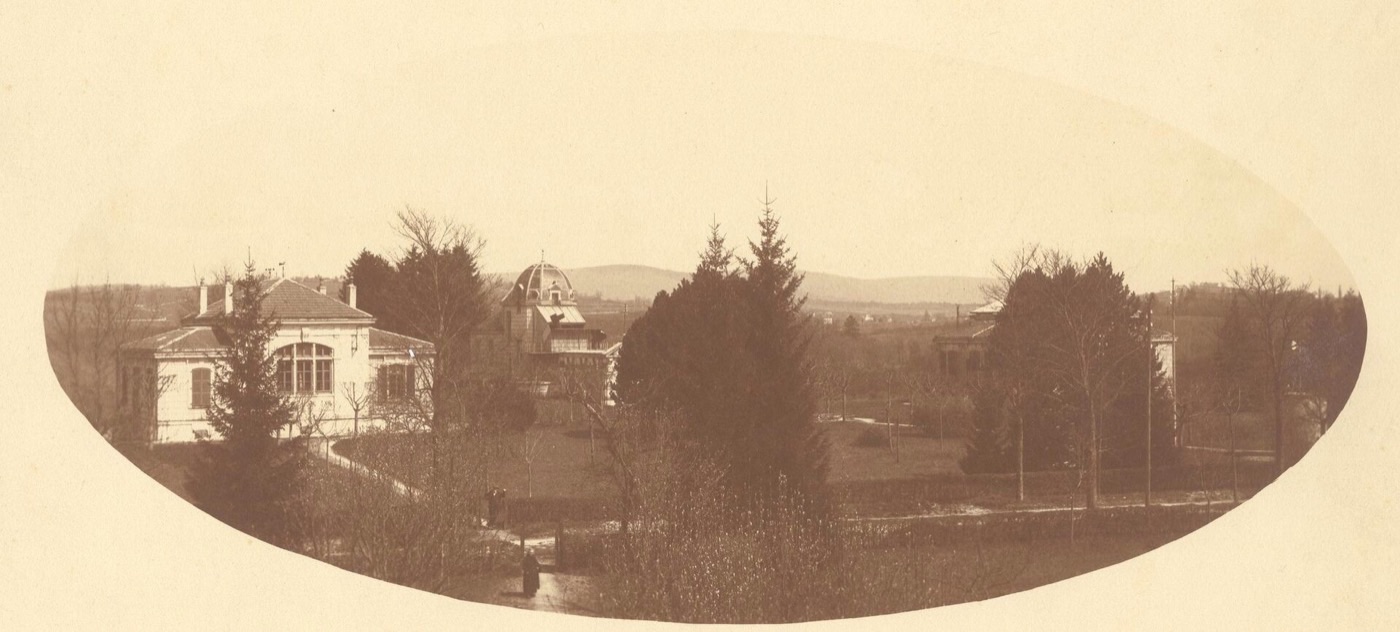
Swiss watchmakers in a French city
The heritage inventory says that before 1793 the city’s role in watchmaking was mainly commercial, between the French market and the Swiss makers of Le Locle and La Chaux-de-Fonds.1
Laurent Mégevand, a Genevan settled at Le Locle and married to a Breguet, proposed a national watch manufacture; the decree of 11 November 1793 gave Swiss settlers generous terms.1, 5
Estimates of the Swiss colony range from 80 watchmakers to 700, 930 or 1,855 people; most came from Le Locle and Neuchâtel, others from Geneva, Porrentruy and Montbéliard.1, 2, 5
Mégevand's enterprise failed by 1798, but the Swiss stayed: in 1848 nearly all of Besançon's 3,500 watchmakers were Swiss or naturalised Swiss.1, 5
France’s watch capital
The city made ordinary watches in quantity, 'le bon courant'; by 1866 it produced 98% of the gold and silver watches made in France.1, 2
The heritage inventory records that most work stayed in homes and small workshops; in 1875 the trade directory listed 5,072 people, a tenth of the population, and 191 ‘fabricants’ who mostly assembled movements bought in the Pays de Montbéliard, the Haut-Doubs or Switzerland.1
The municipal watchmaking school opened in 1861 (nationalised 1891).1, 5
The inventory notes that Swiss firms opened branches in the city after 1918, Zenith among them in 1921.1
The observatory and the viper
The observatory, decreed in 1878 and in service in 1885, was meant to give a city making a thousand watches a day its own exact time and to certify chronometers; it ran an annual chronometer competition from 1889.1, 3
From December 1897 it stamped watches classed as chronometers with a viper's head designed by Alphée Dubois; the mark's position showed the class. The service was revived in 2008 after about thirty years.6
In 1930, as fewer makers entered the chronometer competition, director René Baillaud created a second mark, the 'Poinçon de Besançon', for good-quality ordinary watches.7
Its trials were part of a European system with Neuchâtel, Geneva and Kew; they ended with the arrival of quartz.3, 8
Lip, quartz and the museum
Lip, founded in 1867, grew into the city’s largest maker; its collapse in 1973 opened the ‘Lip affair’.1, 9
Swiss and Asian competition and quartz reduced the industry in the 1970s; French watchmaking fell from about 14,000 workers to 8,000 in the 1980s, and firms turned to micromechanics.1, 9
The Musée du Temps opened in the Palais Granvelle in 2002, bringing together the city's horology and history collections.9, 10
Key dates
- 1793
Decree founding the Besançon watch manufacture; Swiss settlers arrive.1, 5
- 1798
Mégevand removed; his enterprise fails.1, 5
- 1878
Observatory decreed (in service 1885).1, 3
- 1897
Observatory's viper's-head chronometer mark introduced.6
- 1973
Lip collapses; occupation of the Palente factory.1, 11
- 2002
Musée du Temps opens.9, 10
Where Besançon leads
- Based here, CompanyLip
Founded in Besançon in 1867; factories at the Mouillère and Palente.1, 12
- Part of, HistoryFrance and the science of horology
Where Swiss watchmakers settled from 1793 and made France’s watch capital.1, 5
- See also, PlaceGeneva
Laurent Mégevand, founder of the Besançon manufacture in 1793, was a Genevan.1, 5
- See also, PlaceHosur
Europa Star says Titan’s quartz technology came from France Ebauches, which Xerxes Desai visited at Besançon in 1979.13
- See also, PlaceLa Chaux-de-Fonds and Le Locle
Several hundred people left Le Locle for Besançon's national watch factory after the repression of 1793.14, 15
- See also, PlaceThe Jura Arc
The industry was founded by Swiss watchmakers from Le Locle and Neuchâtel and depended on Swiss parts and competition across the border.1, 2
- See also, TraditionChronometry and certification
The observatory (1878/1885) ran chronometer trials and the viper's-head mark.6, 8
Facts and sources
- Watch centre
- From 1793; France's watch capital from about 18601, 2
Sources
- 1
L'horlogerie à Besançon (dossier IA25001993) (opens in a new tab)
- 2
- 3
- 4
The Besançon observatory at the end of the nineteenth century. (opens in a new tab)
- 5
- 6
2 machines à estampiller Hérique (dossier IM25001913) (opens in a new tab)
- 7
Machine à estampiller (presse à balancier) (dossier IM25001914) (opens in a new tab)
- 8
- 9
- 10
- 11
- 12
- 13
The saga of the Indian Titan (Pierre Maillard, November 2025) (opens in a new tab)
- 14
- 15
Sources read November 12, 2026.