Greenwich
The hill above the Thames where Charles II put a Royal Observatory in 1675 to find longitude at sea: the place that tested the Navy’s chronometers, sent Greenwich time out by time ball, telegraph and railway, and in 1884 became the zero of the world’s longitude.
England, Greenwich Park, south-east London, on the Thames
Within London
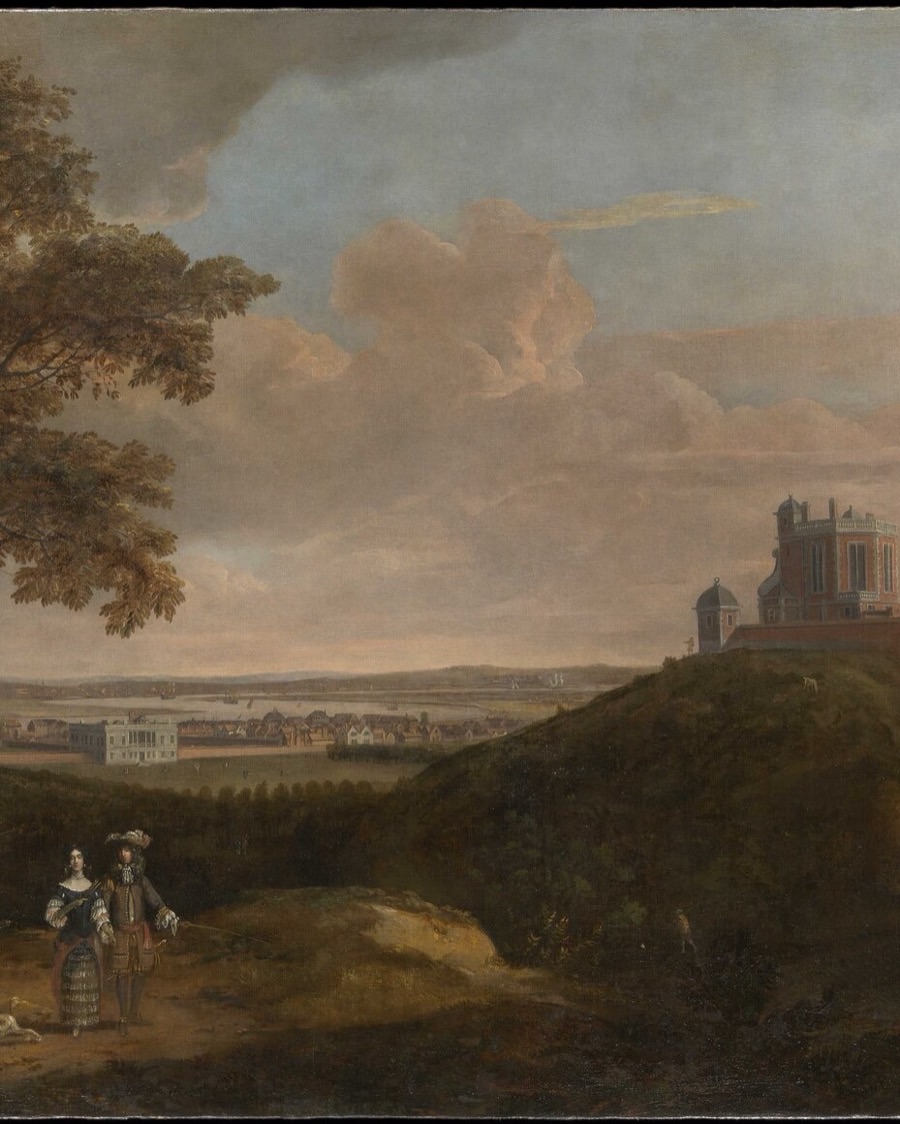
Why Greenwich?
Charles II founded the Royal Observatory by royal warrant in 1675, so that the tables of the Moon and stars could be made exact enough to find a ship’s longitude at sea.1, 2, 6
The dates are recorded closely: on 4 March 1675 the King named John Flamsteed his astronomical observator, on 22 June he ordered a small observatory at Greenwich, on 10 August Flamsteed laid the foundation stone, and on 10 July 1676 he moved in. Christopher Wren designed the building, with Robert Hooke assisting.1, 6, 7
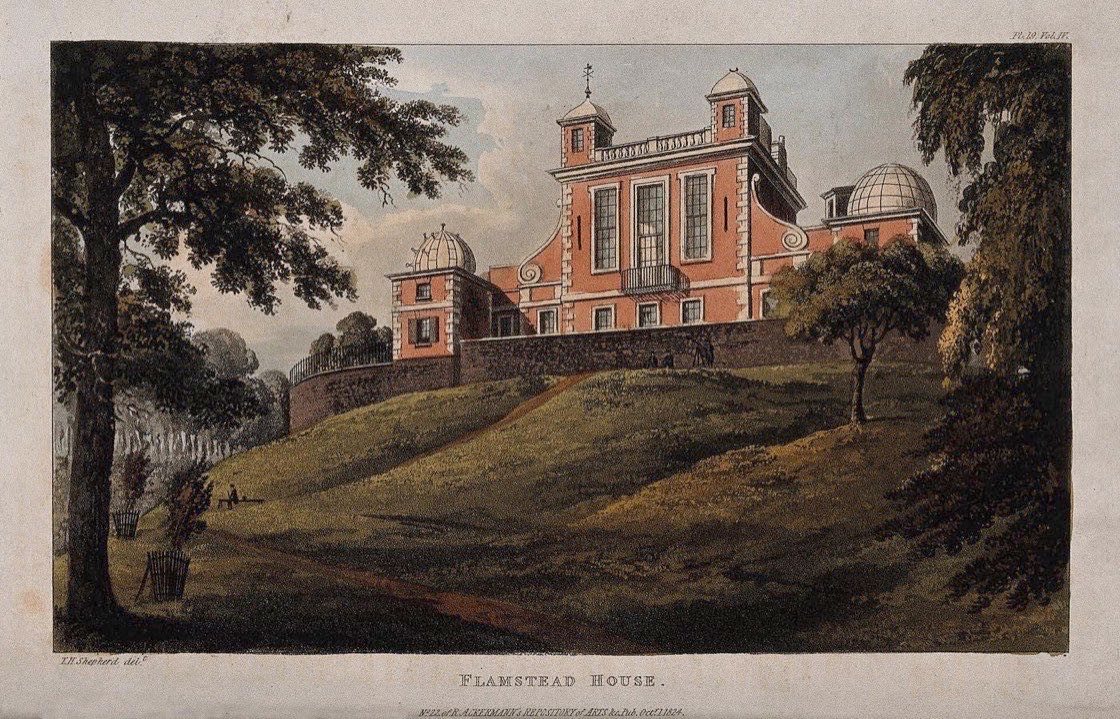
The new Observatory drew on London’s clockmakers from the start: Thomas Tompion made its clocks in 1676, and Jonas Moore, who paid for instruments himself, gave two of them for the Octagon Room.6, 9, 10
The connection lasted: George Graham, Tompion’s successor in Fleet Street, built Halley’s mural quadrant at Greenwich and the zenith sector Bradley used.11, 12
Royal Museums Greenwich dates the Admiralty’s takeover of the Observatory, and its role as the Royal Navy’s chronometer testing centre, to 1821, with John Pond as Superintendent of Chronometers; Wikipedia’s history of the Observatory gives 1818 for the move from the Board of Ordnance to the Admiralty.1, 2, 6
What grew here: trials, time signals and the meridian
The Admiralty bought chronometers on the results of yearly trials at Greenwich. Jenny Bulstrode and Andrew Meek date these premium trials from 1822 and say they ended in 1836, when Airy succeeded Pond; Wikipedia’s account of the marine chronometer puts the start of the Greenwich competition in 1820.13, 14
A chronometer could win its career at Greenwich: Thomas Porthouse’s No. 233, on trial from 1823 to 1825, was bought by the Navy at once and served for 112 years.15
Airy made the trials harder. Bulstrode and Meek record that soon after succeeding Pond he asked the Hydrographer, Francis Beaufort, whether chronometers could be tried at extremes of temperature, then tested them out of doors, in the chronometer room and before a fire. Wikipedia dates Airy’s trials from 1840 to 1914.13, 14
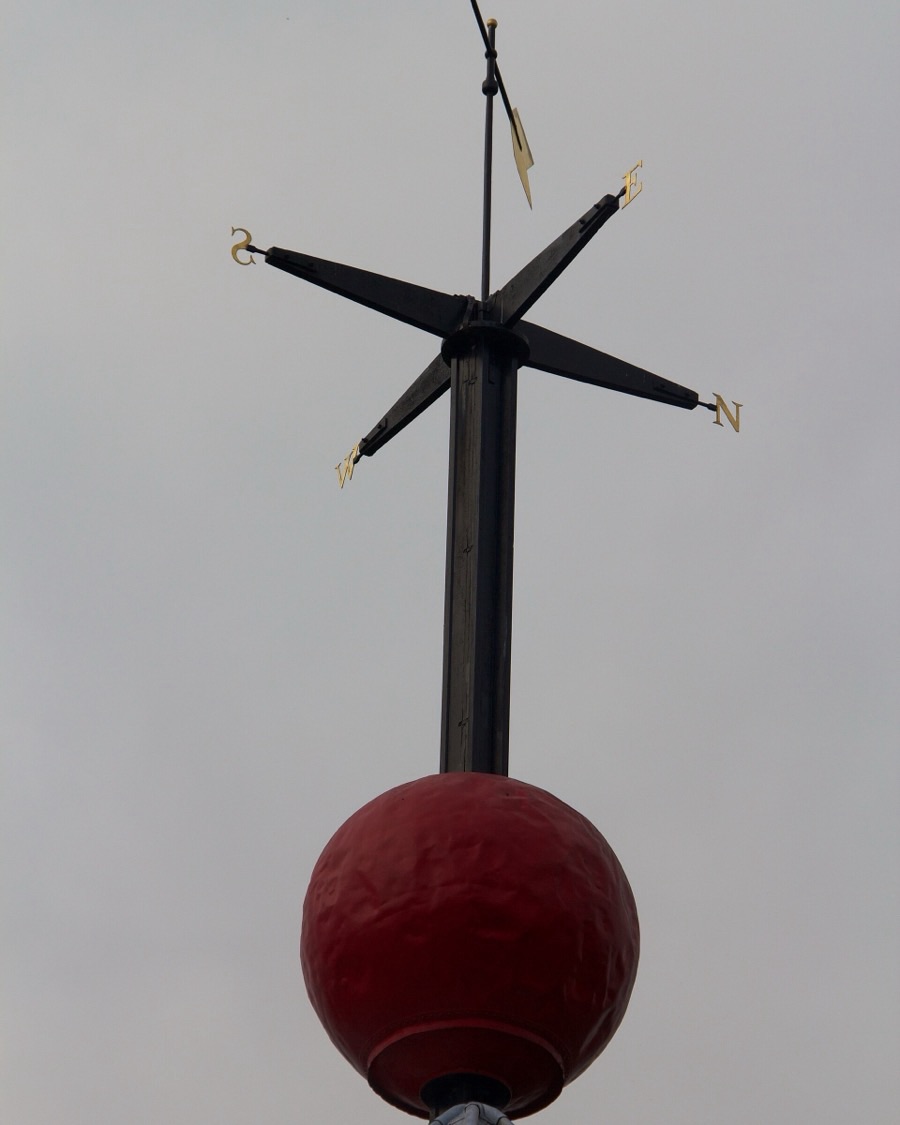
In 1833 Pond put a time ball on the roof of Flamsteed House. Each day it rises halfway at 12.55, reaches the top at 12.58 and drops at 1 pm exactly, a signal for mariners on the Thames and anyone else watching.1, 16, 17
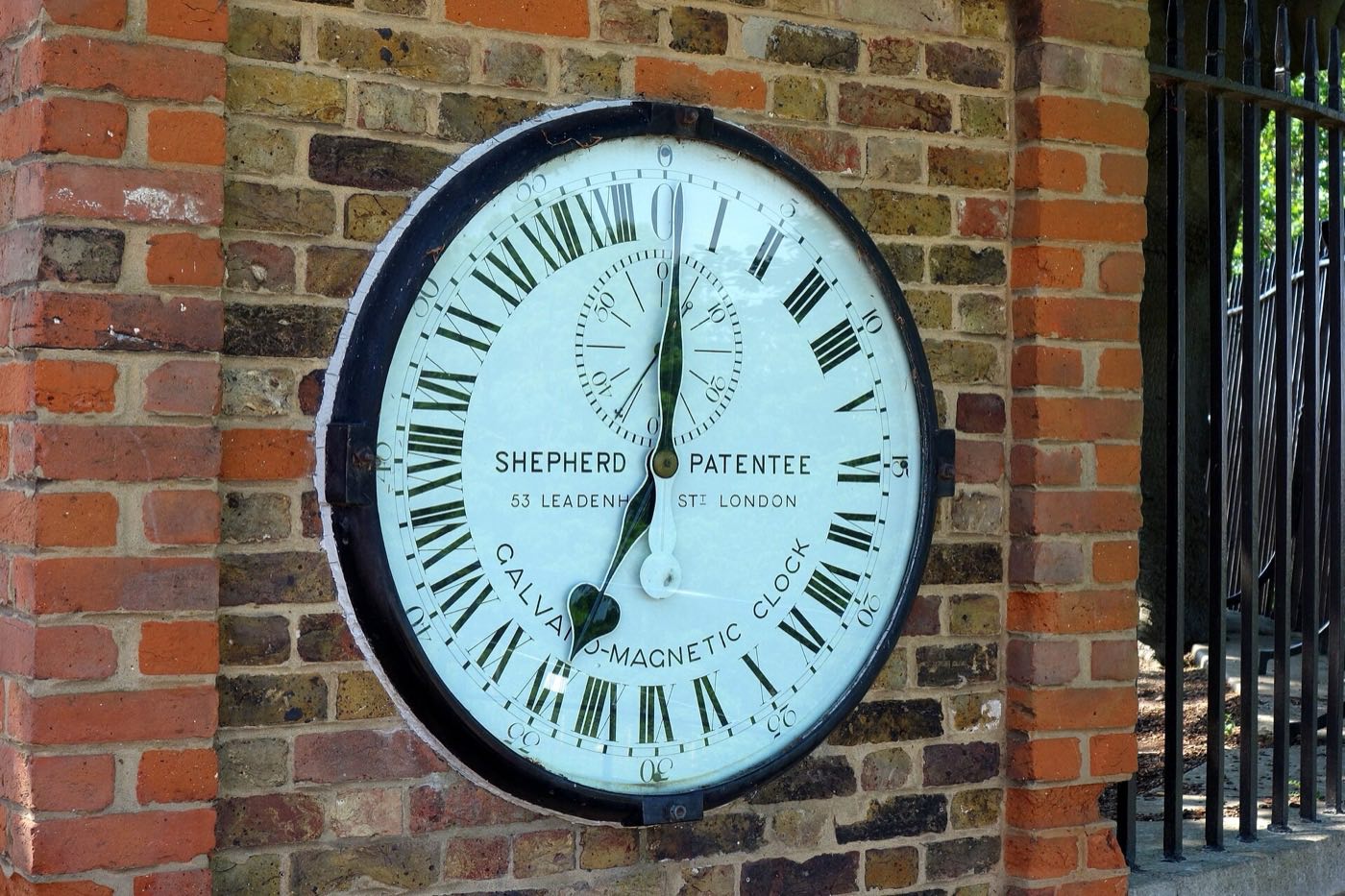
In 1852 an electric system by Charles Shepherd of Leadenhall Street, who had shown a master clock driving several dials at the Great Exhibition, linked the Observatory’s clock to a 24-hour dial at the gate, a clock at London Bridge station, the time ball and a ball on the Strand, and sent signals along the railways out of London.1, 4
From January 1851 Airy’s transit circle defined the Greenwich meridian; Royal Museums Greenwich says it made about 600,000 observations in more than a century of use.6, 20
Who and what moved through
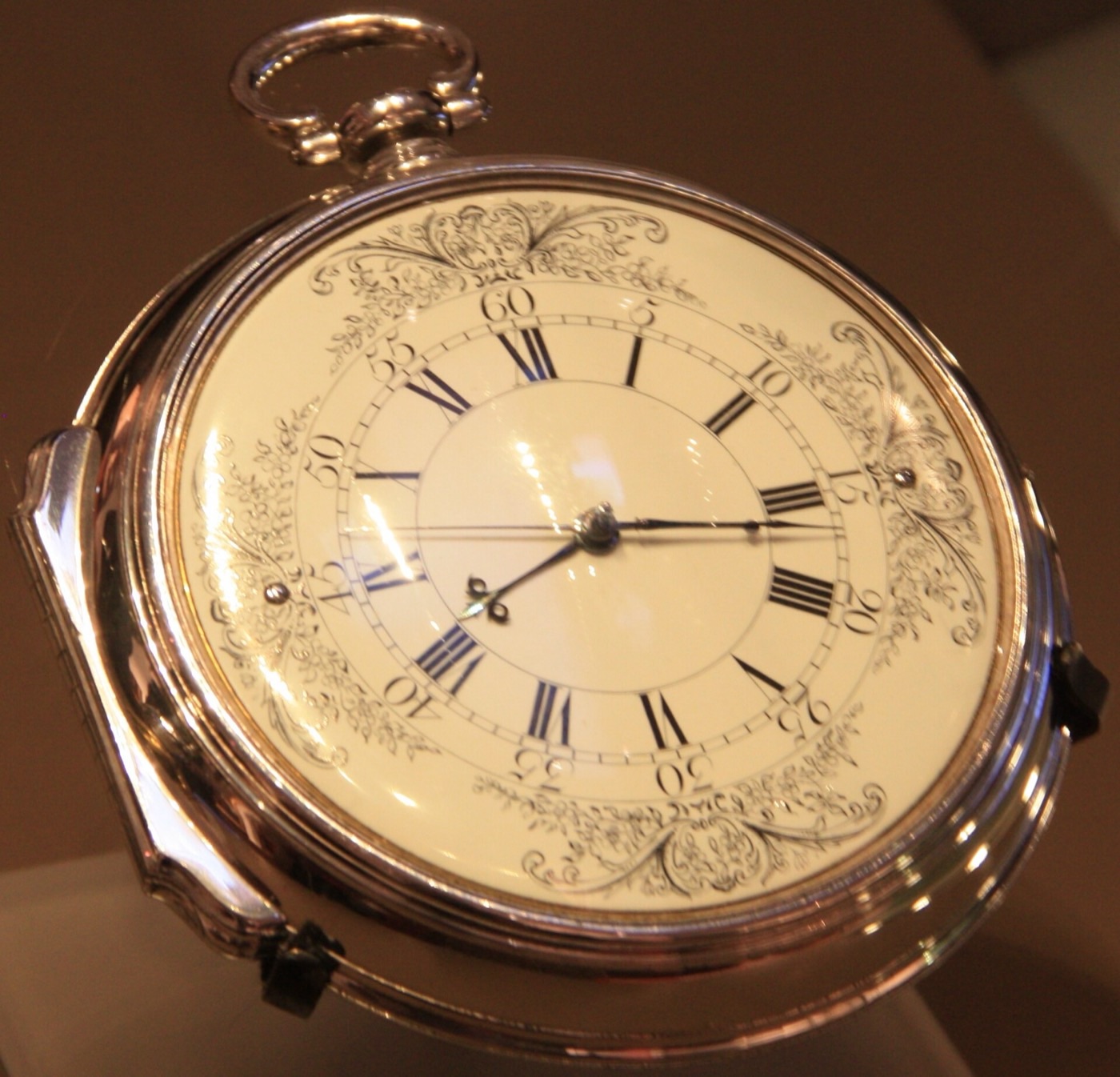
From May 1766 Maskelyne kept Harrison’s H4 at the Observatory for ten months of trial; it did not perform well, and the quarrel over the longitude prize deepened.21, 22
London’s chronometer makers sent their work to Greenwich to be rated: Edward John Dent’s glass-spring chronometers were rated there from 1833, and Thomas Mercer, who set up in Clerkenwell in 1858, sent chronometers to the Greenwich trials.13, 23
Greenwich time travelled by rail: the Railway Clearing House recommended it for all stations in September 1847, and by 1855 time signals from Greenwich could be sent along railway lines across Britain.4, 24
In October 1884 an International Meridian Conference in Washington, called by President Chester A. Arthur, resolved to propose to governments the meridian through the transit instrument at Greenwich as the initial meridian for longitude.3, 25
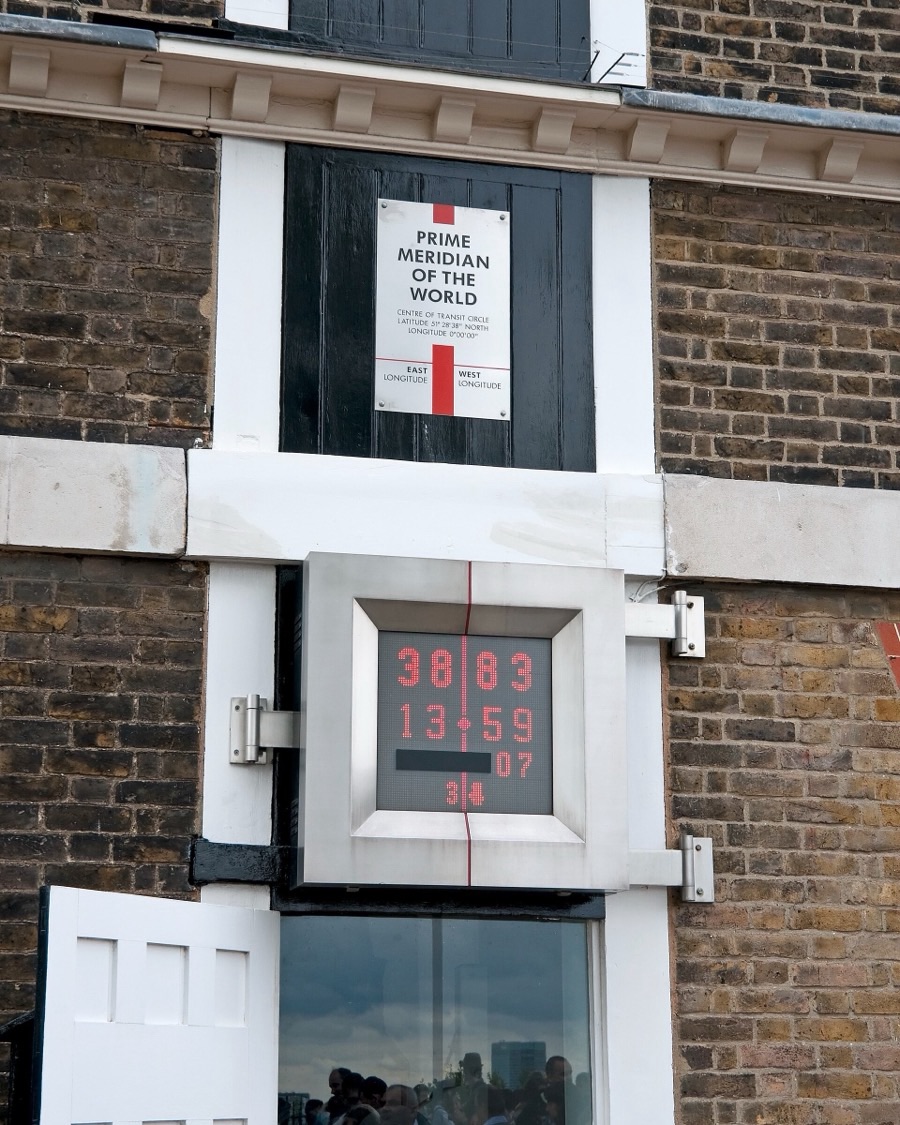
The case for Greenwich was practical. Sandford Fleming, a British delegate, put before the conference figures showing Greenwich used by 65 per cent of the world’s ships and 72 per cent of its tonnage; Royal Museums Greenwich says nearly two-thirds of ships already used charts based on it.3, 20
What changed because of it
Greenwich time became the law of Great Britain by the Statutes (Definition of Time) Act of 2 August 1880.1, 24
The 1884 conference also proposed a universal day, a mean solar day beginning at mean midnight on the Greenwich meridian, which was not to interfere with local or standard time. Royal Museums Greenwich says it recommended a world system of time zones based on Greenwich Mean Time; the conference’s Final Act contains no resolution on zones.3, 20
The astronomers then left Greenwich, though the dates differ: Royal Museums Greenwich’s history of the site has departments moving to Herstmonceux Castle in Sussex from 1948, its research guide gives 1958, and Wikipedia says the move begun in 1948 was completed in 1957. The Royal Greenwich Observatory moved to Cambridge in 1990 and closed in 1998.1, 2, 6
The buildings became a museum: the National Maritime Museum opened beside them on 27 April 1937, Royal Museums Greenwich dates the Observatory site’s transfer to it to 1953, and Flamsteed House opened to the public in 1960.1, 27
Rupert Gould restored Harrison’s four timekeepers between 1923 and 1939, and the Royal Observatory is where they are usually shown.28, 29
Since 1997 the Observatory has been part of the Maritime Greenwich World Heritage Site. The zero of longitude itself has moved on: Royal Museums Greenwich notes that the International Reference Meridian of today’s satellite systems lies 102.5 metres east of Airy’s line.20, 31
Key dates
- 1675
Royal warrant; Flamsteed appointed; foundation stone laid on 10 August.1, 6
- 1676
Flamsteed moves in; Tompion’s clocks for the Observatory.1, 9, 10
- 1766
Maskelyne begins ten months’ trial of Harrison’s H4 at the Observatory.21, 22
- 1821
The Observatory tests chronometers for the Navy (1818 for the Admiralty’s takeover by one account).1, 2, 6
- 1833
Time ball on Flamsteed House.1, 16, 17
- 1851
Airy’s transit circle defines the meridian.6, 20
- 1852
Shepherd’s electric clocks; time signals by telegraph.1, 4, 6
- 1880
Greenwich time made legal time in Great Britain.1, 24
- 1884
International Meridian Conference adopts the Greenwich meridian.3, 20, 25
- 1990
The Royal Greenwich Observatory moves to Cambridge.2, 6
Where Greenwich leads
- Part of, HistoryLongitude and the marine chronometer
Where the Royal Observatory tried Harrison’s H4, published the Nautical Almanac and rated the Navy’s chronometers.1, 2, 21
- Part of, HistoryThe balance spring and the age of precision
The Observatory’s clocks came from Tompion in 1676, and Graham built its instruments for Halley and Bradley.9, 10, 11
- See also, PersonGeorge Graham
Graham built Halley’s mural quadrant at Greenwich and the zenith sector Bradley used.11, 12
- See also, PersonJohn Harrison
Harrison’s timekeepers, restored by Rupert Gould, are usually shown at the Royal Observatory.28, 29
- See also, PersonThomas Tompion
Tompion made the new Observatory’s clocks in 1676.9, 10
- See also, PlaceClerkenwell
Clerkenwell chronometer makers such as Thomas Mercer sent their work to the Greenwich trials.23
- See also, PlaceLondon
Greenwich lies downstream of the City on the Thames; its time ball and gate clock gave London its time.4, 16
- See also, TechnologyThe marine chronometer
The Navy bought its chronometers on the results of trials at Greenwich.13, 15
- See also, ObjectHarrison’s H4
Maskelyne tested H4 at the Observatory for ten months from May 1766.21, 22
- See also, TraditionChronometry and certification
Chronometers were tested and rated at the Royal Observatory from 1821, the root of later timing trials.2, 15
- See also, EventJapan adopts equal hours
Japan took the Greenwich meridian as its prime meridian in 1886, when it set its standard time.32
- See also, EventRailroad standard time
A year after North America’s railroads adopted standard time, the 1884 Washington conference chose Greenwich as the meridian for longitude and proposed a universal day counted from it.3, 24, 25
- See also, EventThe International Meridian Conference
The conference chose the meridian through the transit instrument at the Royal Observatory as the initial meridian for longitude.3, 20
Facts and sources
- Country
- England1, 6
- Where
- Greenwich Park, south-east London, on the Thames6, 31
- Royal Observatory
- Founded 1675; the astronomers left from 19481, 6
Sources
- 1
- 2
History of the Royal Observatory and the Astronomers Royal (opens in a new tab)
- 3
- 4
Sympathetic chronometer by Charles Shepherd (ZAA0532) (opens in a new tab)
- 5
- 6
- 7
- 8
- 9
- 10
- 11
- 12
- 13
Edward John Dent's glass springs, archive and technical analysis combined (opens in a new tab)
- 14
- 15
233 (ZAA0057), marine chronometer by Thomas Porthouse (opens in a new tab)
- 16
The Greenwich Time Ball: one time for all (opens in a new tab)
- 17
Fallen time ball in the courtyard of the Royal Observatory, Greenwich (ZAA0647) (opens in a new tab)
- 18
The time ball at the Royal Observatory, Greenwich, photographed in 2011. (opens in a new tab)
- 19
- 20
What is the prime meridian and why is it in Greenwich? (opens in a new tab)
- 21
Longitude found: the story of Harrison's timekeepers (opens in a new tab)
- 22
- 23
Marine chronometer 16285 by Thomas Mercer (ZBA7843) (opens in a new tab)
- 24
- 25
- 26
- 27
History of the National Maritime Museum (opens in a new tab)
- 28
Gould, Rupert Thomas, Lieutenant Commander, 1890-1948 (opens in a new tab)
- 29
- 30
- 31
- 32
Sources read November 12, 2026.