London
The city where the English watch trade grew up around the Clockmakers’ Company of 1631: Tompion, Graham and Mudge in Fleet Street, Huguenot and Genevan immigrants, and by the 1790s a Clerkenwell industry making close to 200,000 watches a year.
England, Fleet Street and the City; later Clerkenwell, Holborn and St Luke's
Places within Greenwich, Clerkenwell
Companies here Smiths
In the histories Time in the pocket, The balance spring and the age of precision
The Clockmakers’ Company
Before 1600 most small clocks and watches in England were imported or made by immigrants, many in London.1, 2
London clockmakers had belonged to the Blacksmiths' Company. After years of opposition they won a royal charter from Charles I on 22 August 1631, giving their new Company control of the trade in the City and ten miles around.1, 2
The Company’s founding Master was David Ramsay, a Scot who had been watchmaker to James I; the noted maker Edward East sat on its founding court.1, 2
The Company says apprentices served about seven years, usually living in the master’s house, and that freedom of the Company came by apprenticeship, patrimony or redemption.1
Makers of the City
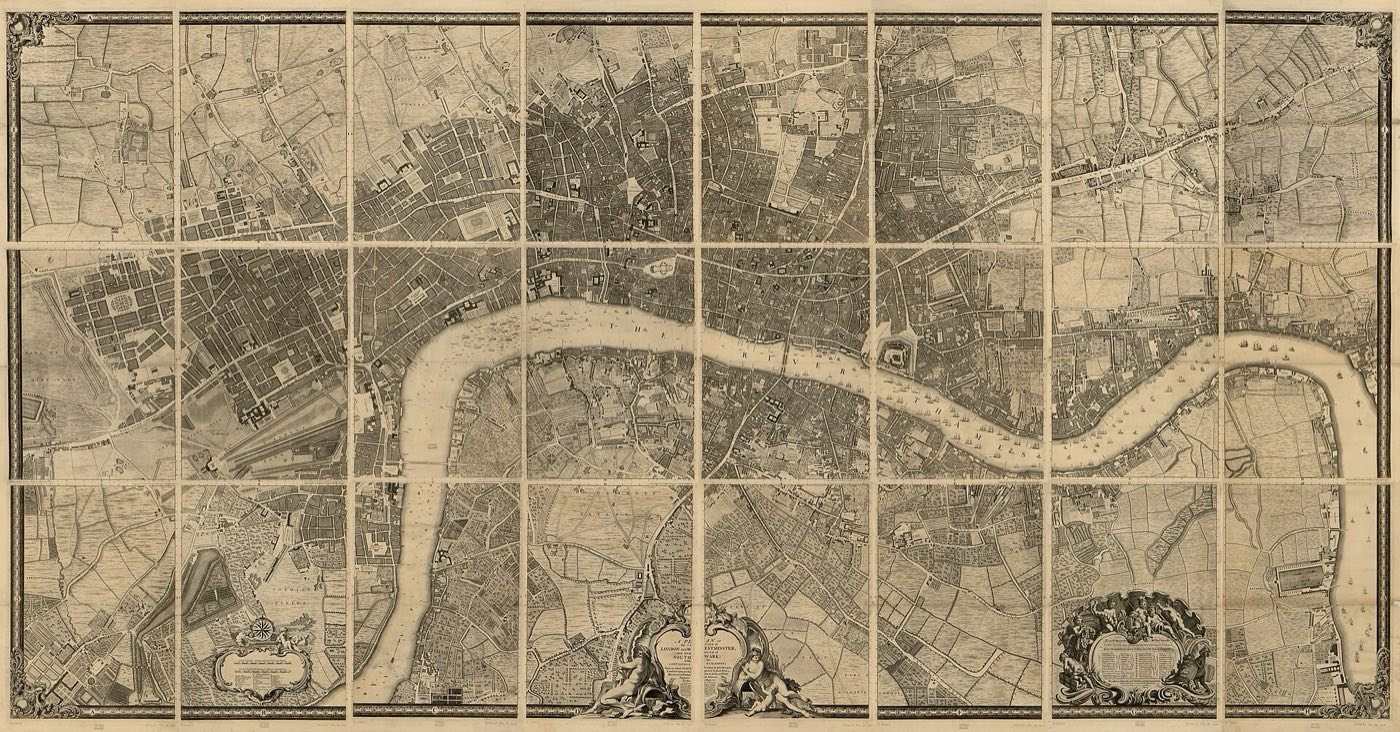
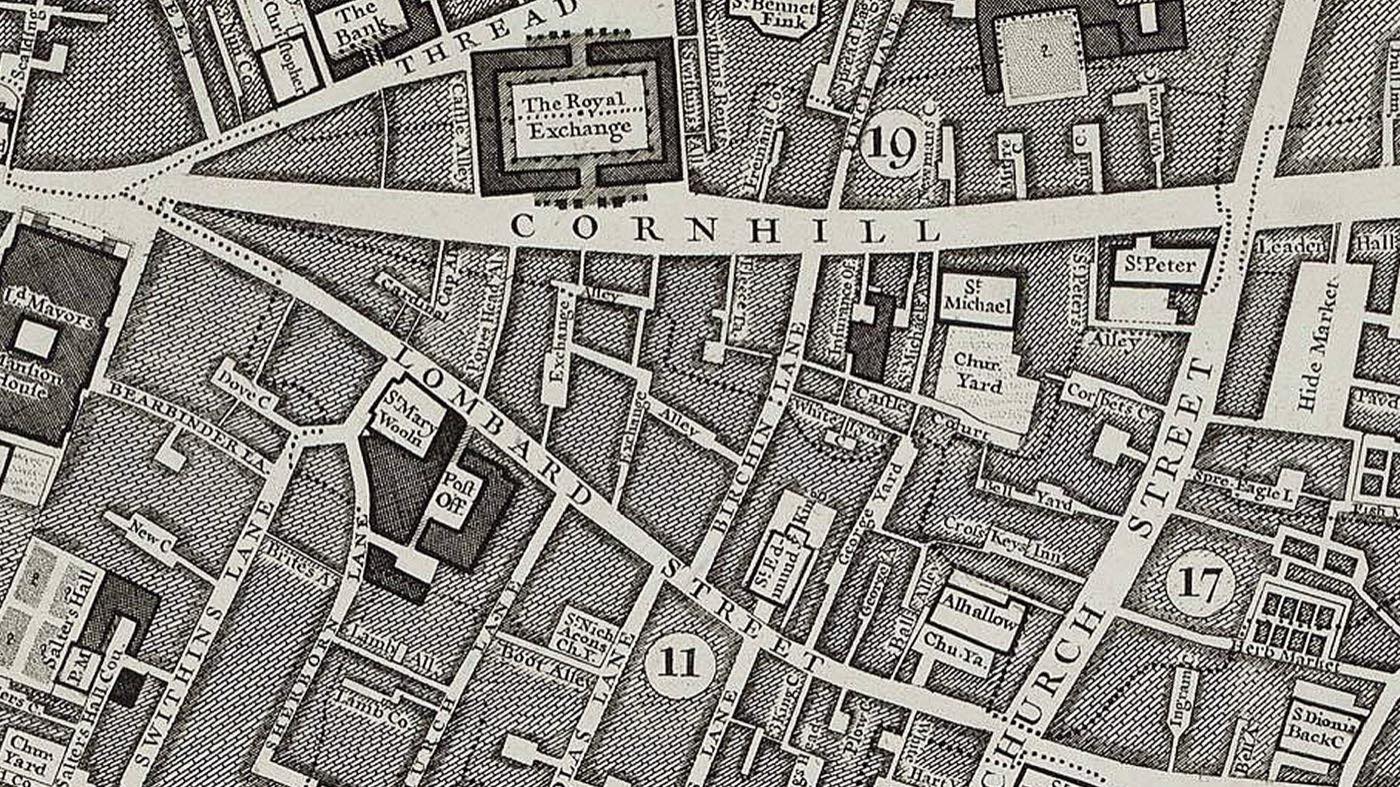
The finest makers worked in the City and around Fleet Street: Tompion and Graham in Water Lane off Fleet Street, Mudge later at 151 Fleet Street, Quare at the King's Arms in Exchange Alley.3, 7, 8
Huguenot and other immigrant craftsmen were part of the trade: Tompion's workmen included Huguenots, the Debaufres kept a shop in Soho, and the Geneva-born Emery worked at Charing Cross.3, 10, 11
The Company guarded its members' interests: it opposed Barlow's repeating-watch patent in 1687, by Wikipedia's account, and fought Charles Clay's patent petition of 1716 on Quare's behalf.12, 13
Its members' names were worth forging: the Company complained of Amsterdam makers signing work with Tompion's, Quare's and Windmills's names (1703 in the DNB, 3 July 1704 in the minutes cited by Struthers).5, 14
In 1765 an Act of Common Council required City watch and clockmakers to be freemen of the Company, and in 1766 it was granted its livery.1, 2
Clerkenwell and after
During the eighteenth century the trade moved north into Clerkenwell, Holborn and St Luke's, where a 1747 list counts separate trades from movement makers and wheel cutters to dial enamellers, gilders and finishers.4, 5
Clerkenwell's peak came in the 1790s, with almost 200,000 watches a year by Davies's estimate; Goldsmiths' Hall assayed over 191,000 watch cases in 1796.4, 5
A 2017 thesis on the trade records that 15,084 watches were exported from London in the year to 5 January 1793.5
The Company told Parliament in 1797 that about twenty thousand Londoners worked in the trade.5
Clerkenwell remained a watch and clock district into the nineteenth and twentieth centuries, especially around Northampton Square.5, 15
The Company’s museum, founded in 1813, is now the Clockmakers’ Museum at the Science Museum, where Tompion’s watch of about 1671 is kept.2, 16
Where London leads
- Based here, CompanySmiths
Founded as a shop at Newington Causeway in south London in 1851, later on the Strand.17, 18
- Based here, PersonGeorge Graham
Graham worked and died in Fleet Street.19, 20
- Based here, PersonThomas Mudge
Mudge worked in Fleet Street until he moved to Plymouth about 1770-71.7, 21
- Based here, PersonThomas Tompion
Tompion worked in Fleet Street and was Master of the Clockmakers' Company in 1704.14, 22
- Part of, HistoryThe balance spring and the age of precision
The Clockmakers’ Company, Fleet Street and Clerkenwell: the trade that sent London watches across Europe.1, 4, 5
- Part of, HistoryTime in the pocket
Where immigrant makers worked before 1600 and the Clockmakers’ Company was chartered in 1631.1, 23
- See also, PlaceBlois
Nicolas Massy, born in Blois, was a watchmaker in London by 1682; Huguenot watchmakers settled in Soho after 1685.23, 24
- See also, PlaceClerkenwell
The district north of the City where London’s working watch trade gathered from the early eighteenth century.23, 25
- See also, PlaceCoventry
Davies counts Coventry with London and Prescot as Britain’s three main watch centres.4
- See also, PlaceGeneva
Geneva-born makers such as Josiah Emery and Fatio worked in London; Geneva's output grew to rival London's.4, 10, 11
- See also, PlaceGreenwich
Greenwich lies downstream of the City on the Thames; its time ball and gate clock gave London its time.26, 27
- See also, PlaceThe Black Forest
The museum says Robert Gerwig went to the Great Exhibition in London in 1851 to buy clocks for teaching at Furtwangen.28
Facts and sources
- Clockmakers’ Company chartered
- 22 August 16311, 2
- Centres of the trade
- Fleet Street and the City; later Clerkenwell, Holborn and St Luke's3, 5
- Country
- England1, 2
Sources
- 1
- 2
- 3
- 4
- 5
- 6
- 7
- 8
Watch, Daniel Quare, London, ca. 1700 (O77399) (opens in a new tab)
- 9
- 10
- 11
- 12
- 13
Watch, Charles Clay, London, ca. 1730-9 (O113925) (opens in a new tab)
- 14
Tompion, Thomas (Dictionary of National Biography, 1885-1900, vol. 57) (opens in a new tab)
- 15
- 16
Pre-balance-spring era watch movement by Thomas Tompion c.1671 (L2015-3114) (opens in a new tab)
- 17
- 18
- 19
- 20
- 21
Mudge, Thomas (Dictionary of National Biography, 1885-1900, vol. 39) (opens in a new tab)
- 22
Early balance spring watch by Thomas Tompion (1985-1537) (opens in a new tab)
- 23
- 24
- 25
Introduction, in Survey of London: Volume 46, South and East Clerkenwell (2008) (opens in a new tab)
- 26
The Greenwich Time Ball: one time for all (opens in a new tab)
- 27
Sympathetic chronometer by Charles Shepherd (ZAA0532) (opens in a new tab)
- 28
170 Jahre Deutsches Uhrenmuseum, Teil 1: 1852-1945 (opens in a new tab)
Sources read November 12, 2026.