The Black Forest
The upland of south-west Germany where wooden clocks were made from the eighteenth century and carried across Europe by peddlers, where Schramberg and Schwenningen became centres of factory clockmaking on the American model, and where quartz and competition from the Far East ended most of the trade in the late twentieth century.
Germany, Baden-Württemberg: the central and southern Black Forest and the Baar plateau (Furtwangen, Triberg, St. Georgen, Lenzkirch, Schramberg, Schwenningen)
Companies here Junghans, Stowa
In the history German watchmaking
Why here?
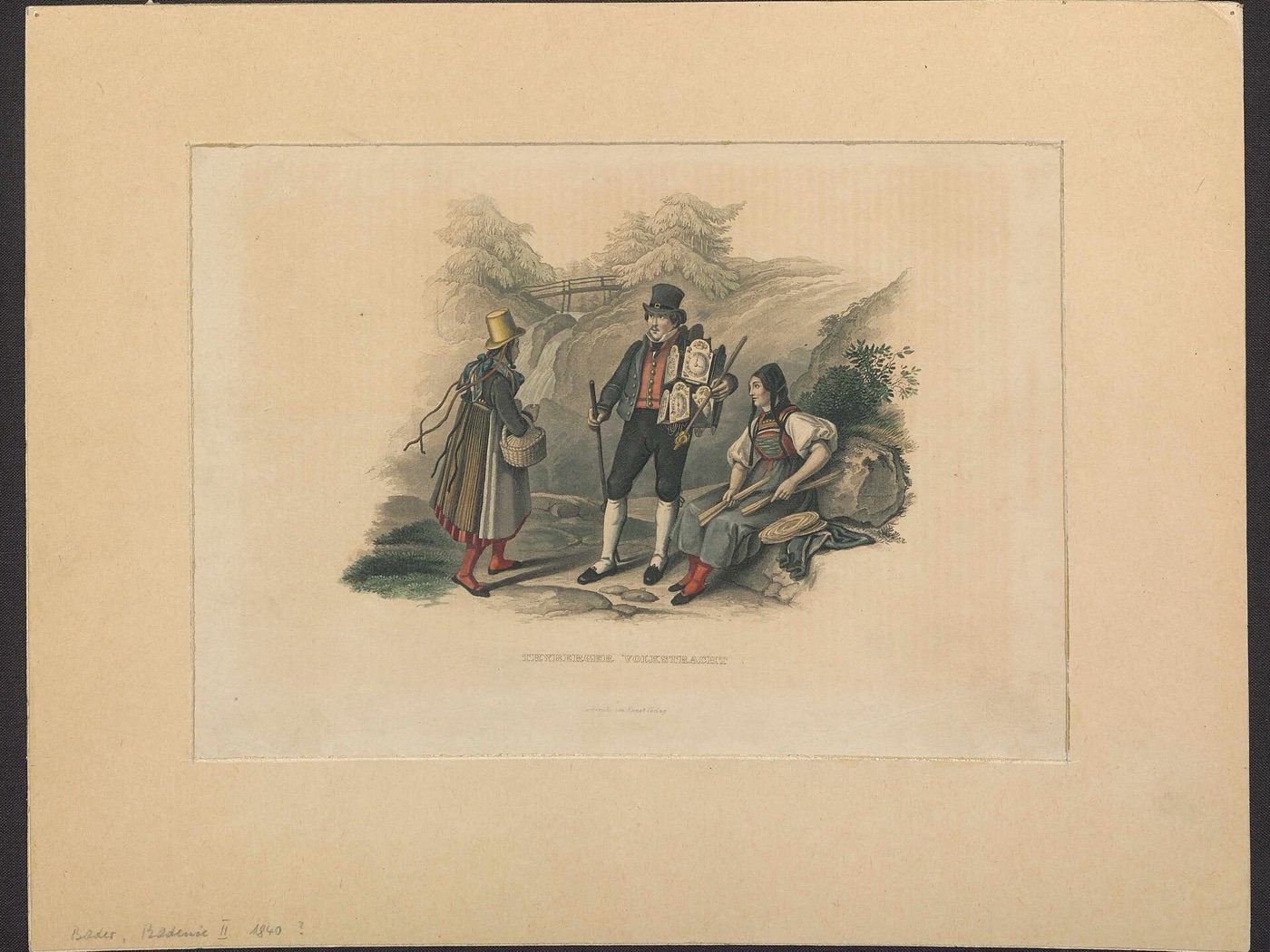
Clockmaking took root in the Black Forest because wooden clocks were a free trade. Metal clocks were the preserve of guild clockmakers in the towns, but anyone could make a clock of wood, and in the forest there was plenty of it.1, 4, 5
The usual explanation is disputed. The German Wikipedia’s article on the Furtwangen school repeats that farmers and craftsmen made clocks in the long winters; its history of Black Forest clockmaking calls the winter evenings and a supposed local genius for tinkering romantic wishful thinking and points to the guild rules instead, and the Deutsches Uhrenmuseum calls the winter-evening tale of the cuckoo clock made up.4, 7, 8
The German Wikipedia says the clockmakers used the sales routes of the region’s glassworks, whose carriers already sold glass at home and abroad, and that the clock dealers appear from 1740.4
Wars held the trade back: wooden clocks were made from the second half of the seventeenth century, but clockmaking did not become an established trade until about 1730.1, 4
What grew here
A cottage industry built on the division of labour. Clockmakers bought frames, bells, wheel blanks, chains and dials from specialists who made them in series on simple machines; on the eve of industrialisation about 1,000 workshops with some 5,000 workers made clocks between Neustadt and St. Georgen.3, 4
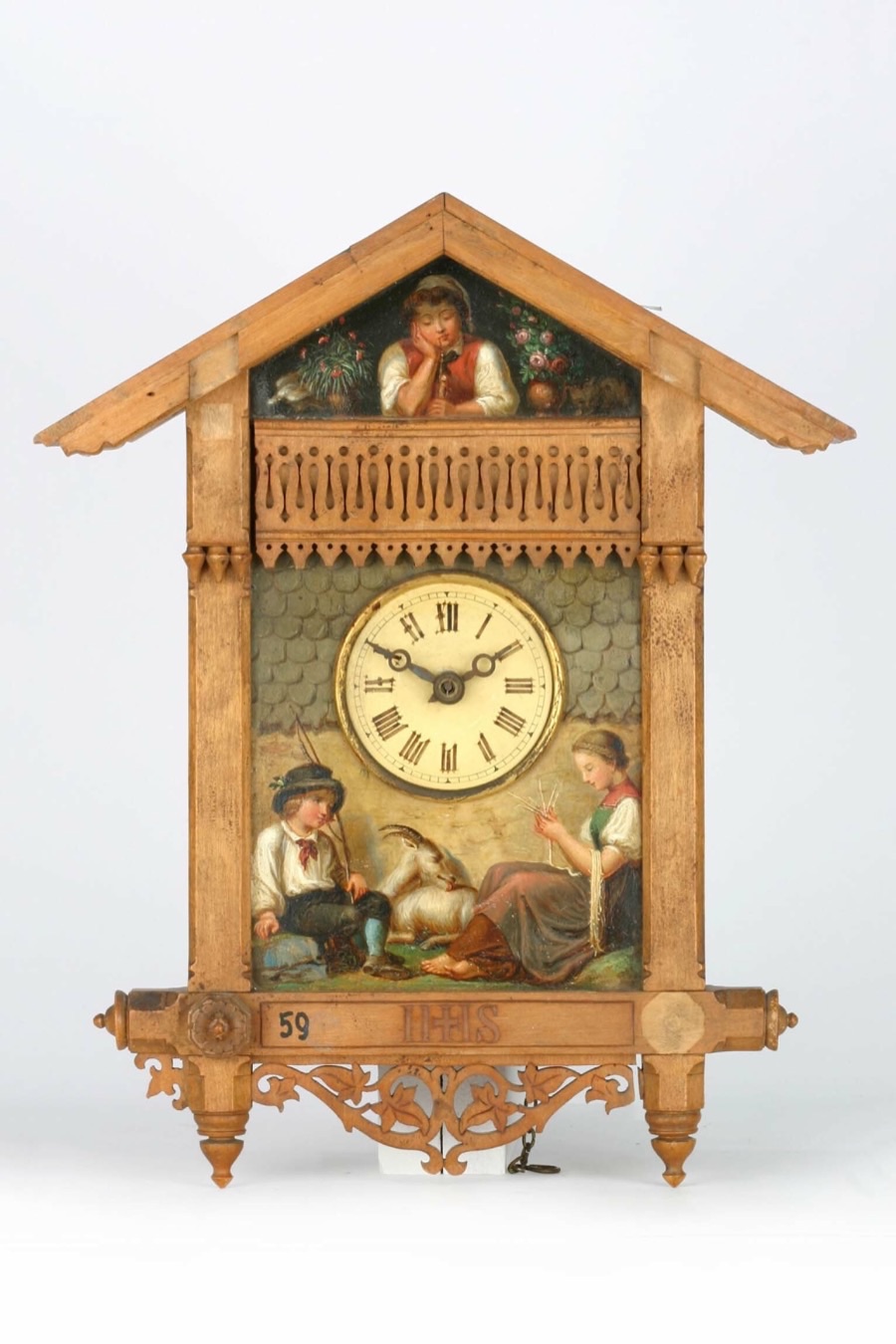
The Deutsches Uhrenmuseum describes the painted wooden dial, the Lackschild, as the face of the Black Forest clock in the nineteenth century: white-primed, brightly painted, often by women, with a primer of poisonous lead white, and later quickened with stencils and printed transfers.2
Who made the first cuckoo clock is disputed. Markus Fidelis Jäck named a Ketterer of Schönwald in 1810, Franz Steyrer named Michael Dilger and Matthäus Hummel in 1796, and later writers name Franziskus Ketterer; the Deutsches Uhrenmuseum says none of the early accounts gave evidence, and that cuckoo clocks stayed a costly niche until the middle of the nineteenth century.8, 9
In 1850 Baden opened a clockmaking school at Furtwangen under the engineer Robert Gerwig. It had model movements made and case designs drawn for makers to copy, published a trade paper, closed in 1863 and reopened in 1877, alongside a woodcarving school.5, 7, 10, 11
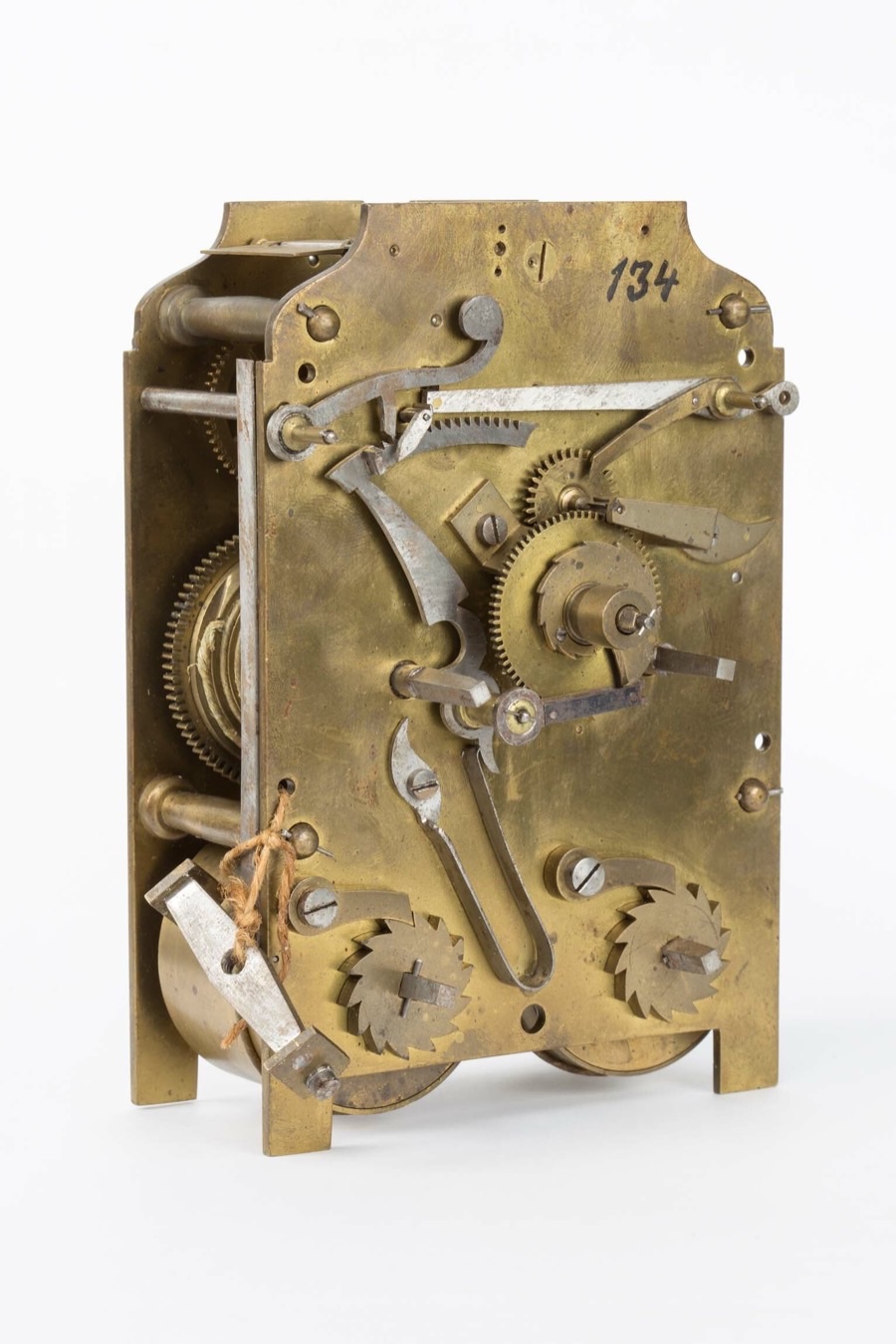
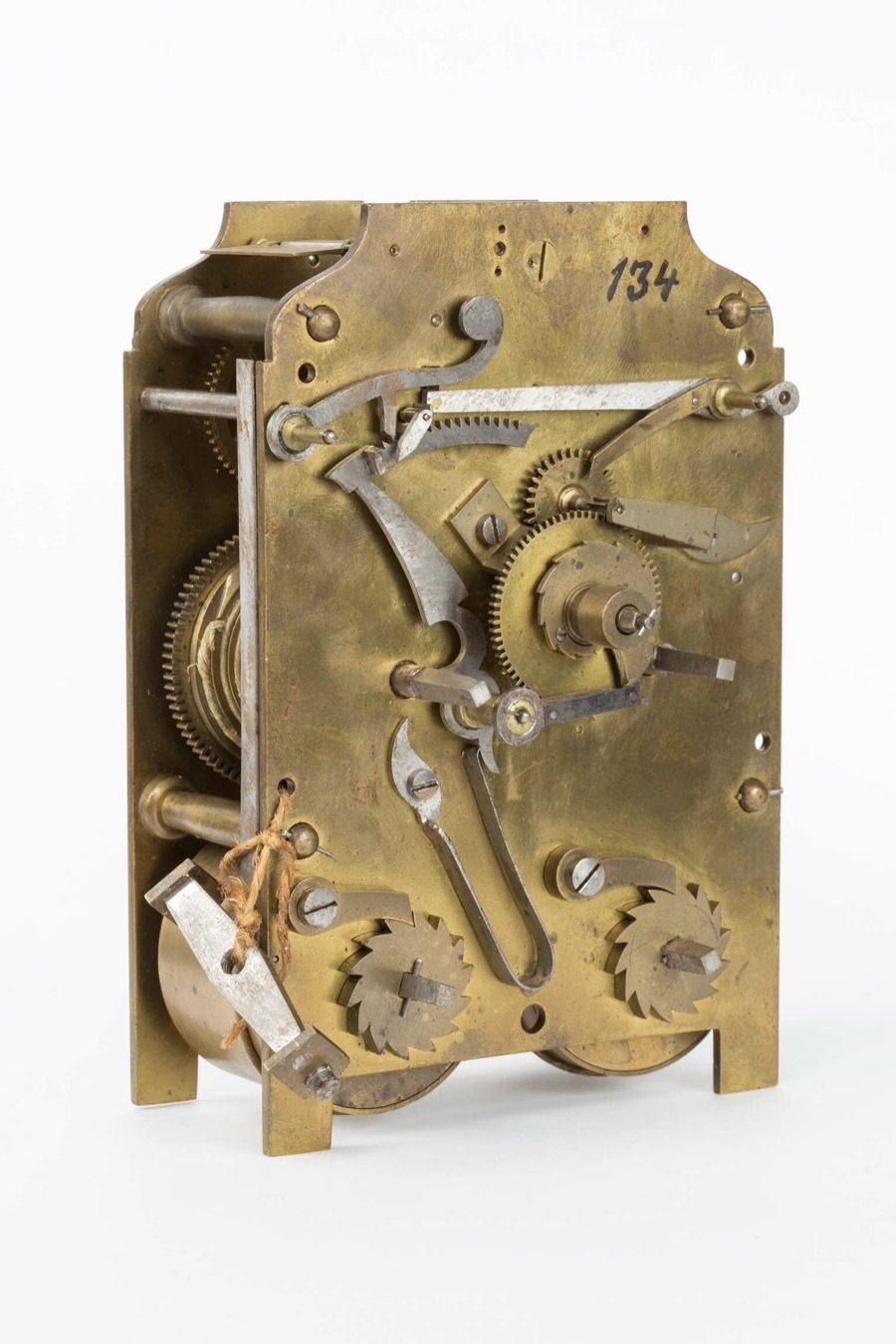
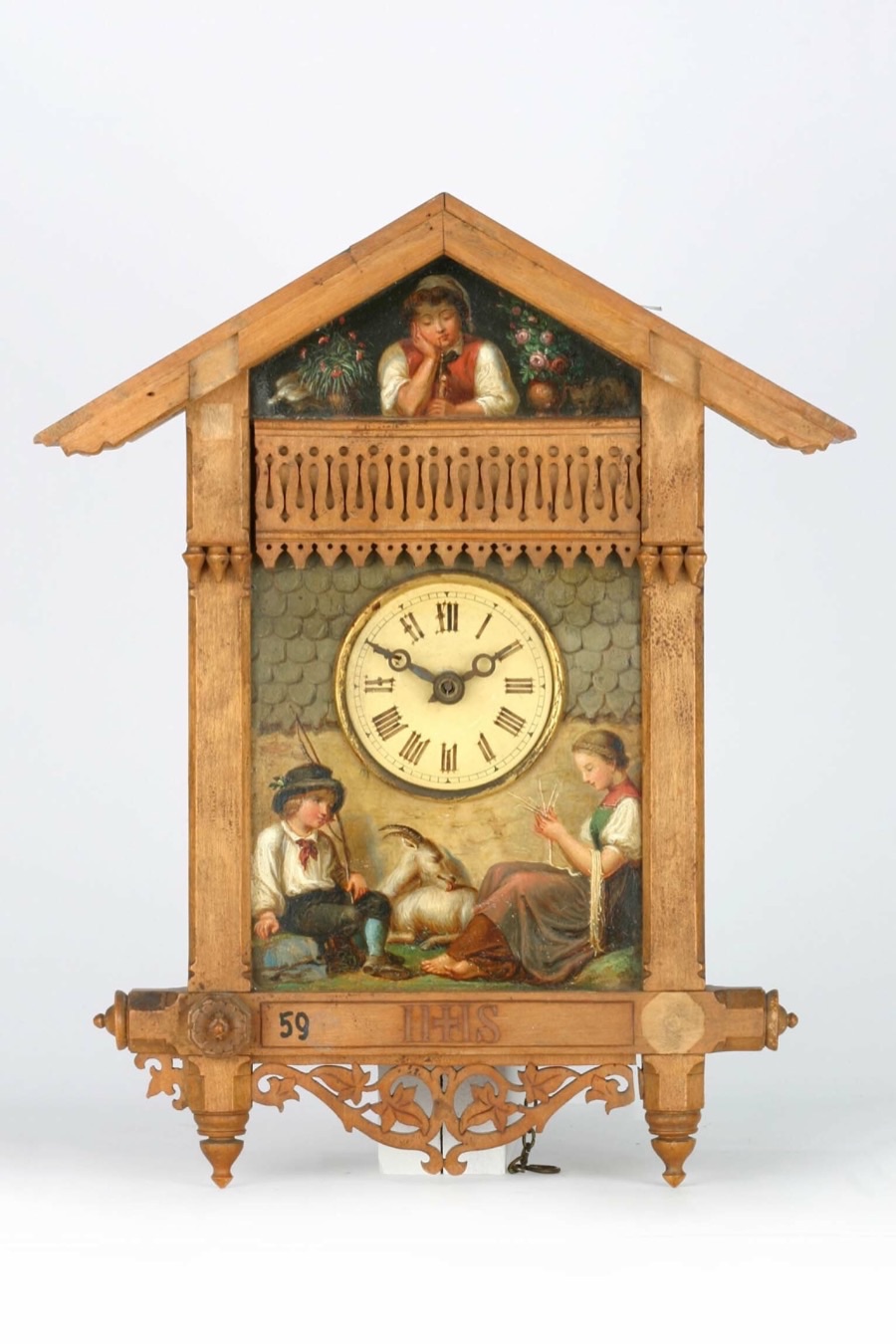
One of its model cases, the Bahnhäusle shaped like a railway keeper’s house, became the familiar shape of the cuckoo clock; the German Wikipedia credits the design to the architect Friedrich Eisenlohr, and the museum holds a school model of 1861 painted to a design by Heinrich Frank.7, 14
Factories came from 1851, when a joint-stock company for clockmaking was founded at Lenzkirch; after 1880 Schramberg and Schwenningen, in the Württemberg part of the region, grew into the centres of a clock industry built on American methods, with Junghans, the Hamburg-Amerikanische Uhrenfabrik, Kienzle and Mauthe.3, 4
Who and what moved through
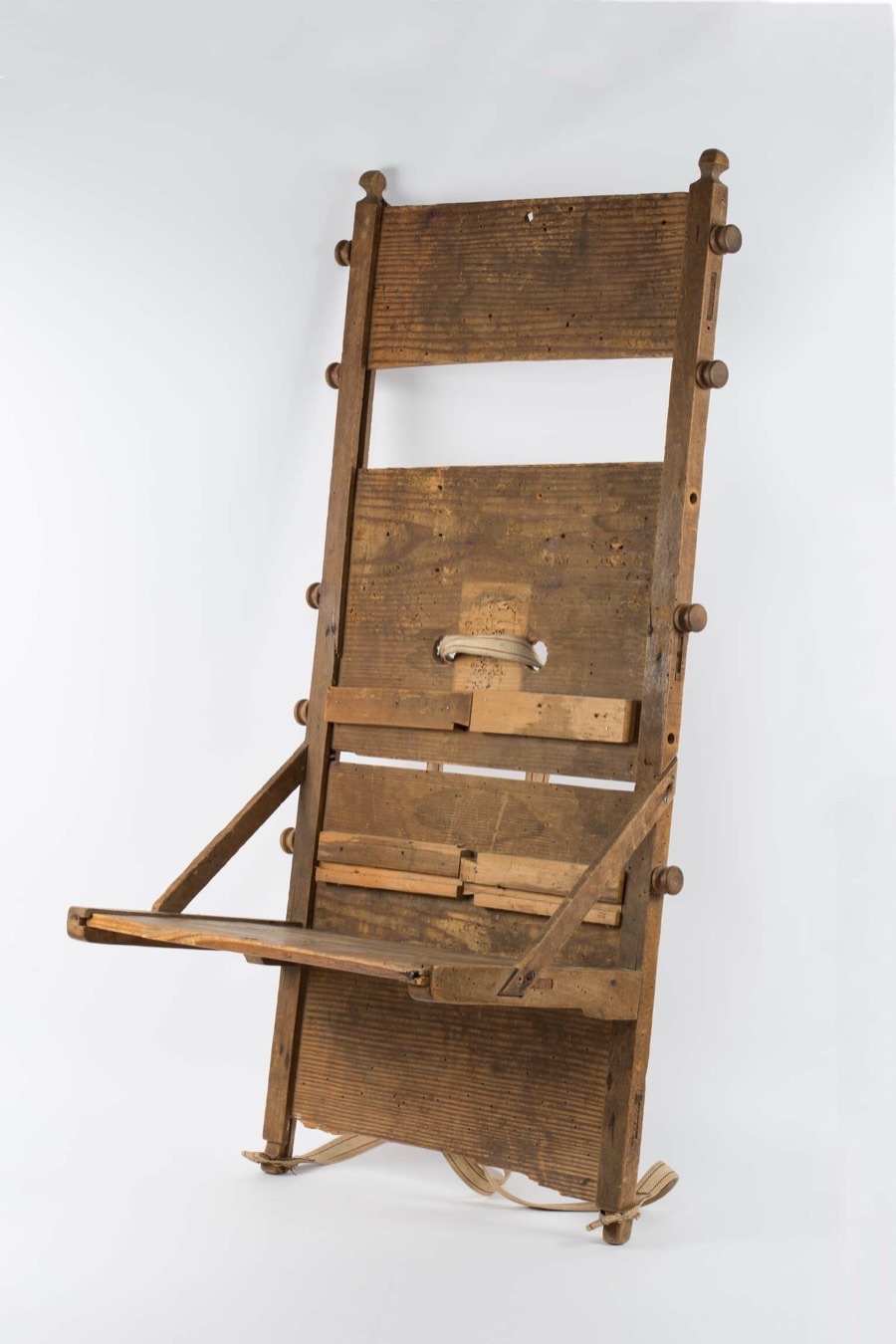
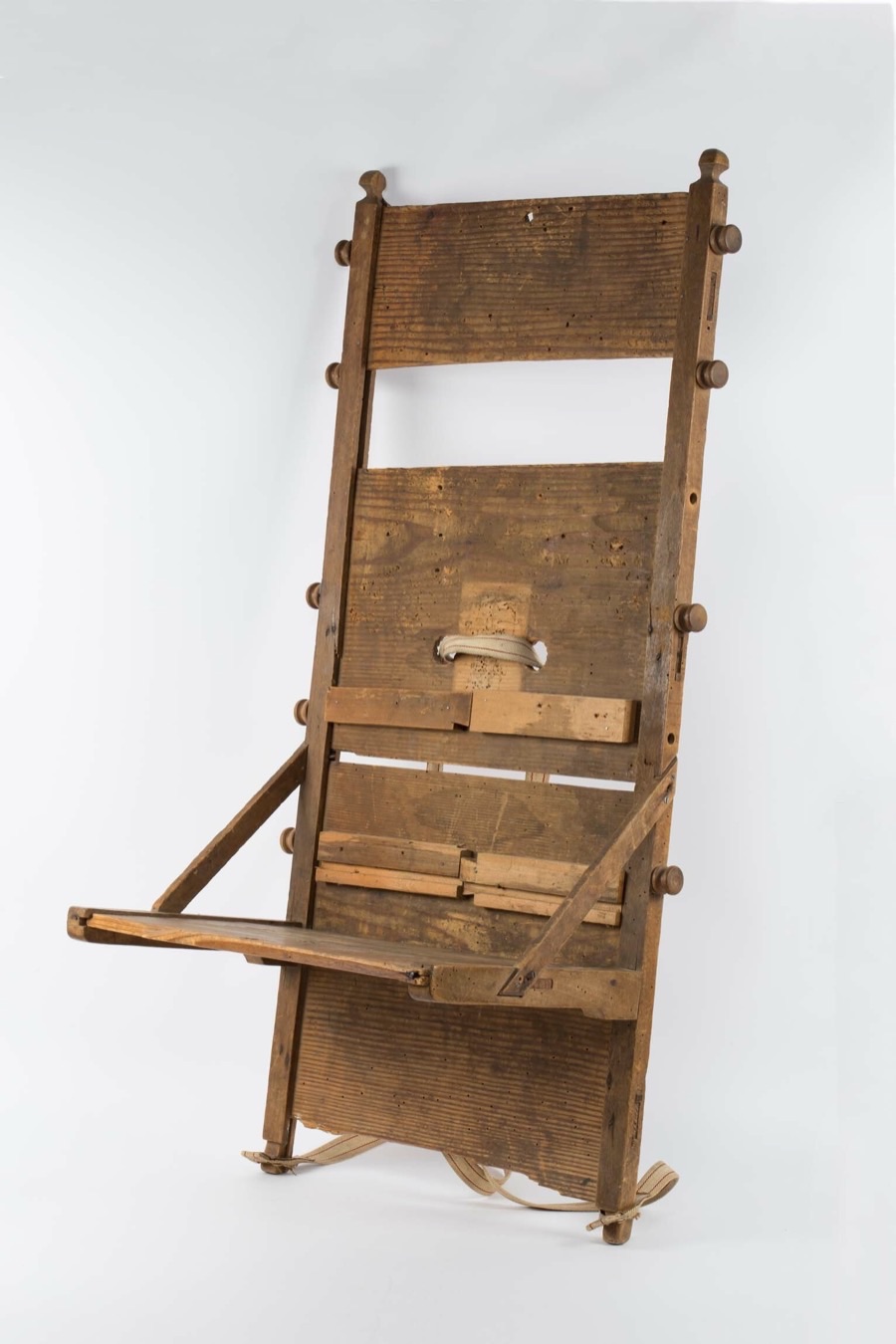
Clocks went out on men’s backs. Black Forest dealers formed trading companies with bases abroad and carried clocks through the countryside in back frames; the museum’s record of one such frame says they sold Black Forest clocks in European countries from the second half of the eighteenth century, and later overseas and in the Far East.2, 4, 18
The dealers reported what sold, and the makers followed: clocks with a date for England, colourful dials for France, black borders for southern countries and bullfight scenes for Spain.2, 4
The Deutsches Uhrenmuseum adds that when a giraffe reached France from Egypt in 1827, the dealers there wrote home for dials painted with it.2
Ideas came in. The museum says Gerwig travelled to the Great Exhibition in London in 1851 to buy clocks for teaching, and that Arthur Junghans, who worked in American factories from 1872, brought American production methods back to Schramberg.3, 20
Watchmakers came too: Hanhart says it moved from Diessenhofen in Switzerland to Schwenningen in 1902, and Stowa moved the other way, from the Black Forest to Pforzheim, in 1935.21, 22, 23
Machines went out. The German Wikipedia says the French occupying power removed factory machinery as reparations after 1945, and that the quartz production lines of EMES and Kienzle were sold to China when those firms failed.4, 24
What changed because of it
The Black Forest made the clock an everyday object. Its wooden clocks stayed the cheapest wall clocks in the world until late in the nineteenth century, and with the factory-made alarm clock the region supplied 60 per cent of the world’s exports of clocks before the First World War.3, 4, 8
The craft-minded factories of Baden could not compete on price; most of them failed by the Depression of the early 1930s, among them the Lenzkirch company.3, 4
Quartz and competition from the Far East ended most of the industry in the late twentieth century. The German Wikipedia counts about 32,000 jobs in Black Forest clockmaking in 1970 and 1,369 in 2009.4, 5
The region keeps its history: the Deutsches Uhrenmuseum at Furtwangen grew from the collection Gerwig began at the school in 1852, and the Junghans Terrassenbau at Schramberg became a museum in 2018.7, 20, 24, 25
Key dates
- 1730
Clockmaking becomes an established trade in the Black Forest, about this year.1, 4
- 1850
The clockmaking school opens at Furtwangen.5, 7, 10
- 1851
The Aktiengesellschaft für Uhrenfabrikation is founded at Lenzkirch.3, 4
- 1852
Gerwig begins the collection that became the Deutsches Uhrenmuseum.7, 10, 20
- 1861
Zeller & Junghans is founded at Schramberg.24, 26
- 1872
Arthur Junghans goes to American factories.3, 27
- 1877
The Furtwangen school reopens, with a woodcarving school.5, 10
- 1918
The Junghans Terrassenbau is completed at Schramberg.24, 25, 26
- 1985
Junghans brings out a series-made radio-controlled table clock.26, 28
Where the Black Forest leads
- Based here, CompanyJunghans
Founded at Schramberg, in the Black Forest, in 1861.24, 26
- Part of, HistoryGerman watchmaking
Where wooden clocks were made in cottage workshops and carried across Europe on peddlers’ backs.1, 2, 4
- See also, CompanyStowa
Stowa moved from the Black Forest to Pforzheim in 1935.22, 23
- See also, PlaceLondon
The museum says Robert Gerwig went to the Great Exhibition in London in 1851 to buy clocks for teaching at Furtwangen.20
- See also, PlaceThe Jura Arc
The Deutsches Uhrenmuseum notes that the Furtwangen school tried and failed to build up pocket-watch making on the Swiss Jura model.10
Facts and sources
- Country
- Germany5
- Region
- Baden-Württemberg: the central and southern Black Forest and the Baar plateau (Furtwangen, Triberg, St. Georgen, Lenzkirch, Schramberg, Schwenningen)3, 4
- Period
- About 1730 to today1, 4
Sources
- 1
Schwarzwalduhren – seit 300 Jahren ein Erfolg (opens in a new tab)
- 2
- 3
- 4
- 5
Themen im Museum (permanent exhibition overview) (opens in a new tab)
- 6
- 7
- 8
Die ersten Schwarzwälder Kuckucksuhren (Teil 1) (opens in a new tab)
- 9
- 10
Zeit der Experimente – Gewerbeförderung in Furtwangen (opens in a new tab)
- 11
Musteruhr, Uhrmacherschule Furtwangen, um 1852 (Inv. 17-0134) (opens in a new tab)
- 12
- 13
- 14
- 15
- 16
- 17
- 18
Uhrenträger-Krätze, Schwarzwald (Inv. 19-2037) (opens in a new tab)
- 19
- 20
170 Jahre Deutsches Uhrenmuseum, Teil 1: 1852-1945 (opens in a new tab)
- 21
- 22
The STOWA history: mechanical watches from the Black Forest since 1927 (opens in a new tab)
- 23
- 24
- 25
- 26
- 27
- 28
Junghans Tischfunkuhr, 1985 (Inv. 7107) (opens in a new tab)
Sources read November 12, 2026.