Histories, Era III, The industrial watch
Britain’s watch industry
1750 to 1980
How Britain made watches by hand and lost the trade to the factory: Prescot’s rough movements and tools, the finishers of London and Coventry, the English lever and the fusee kept long after others dropped them, the late factories at Prescot and Coventry, and Smiths’ government-backed works at Cheltenham and in Wales, which closed by 1980.

In short
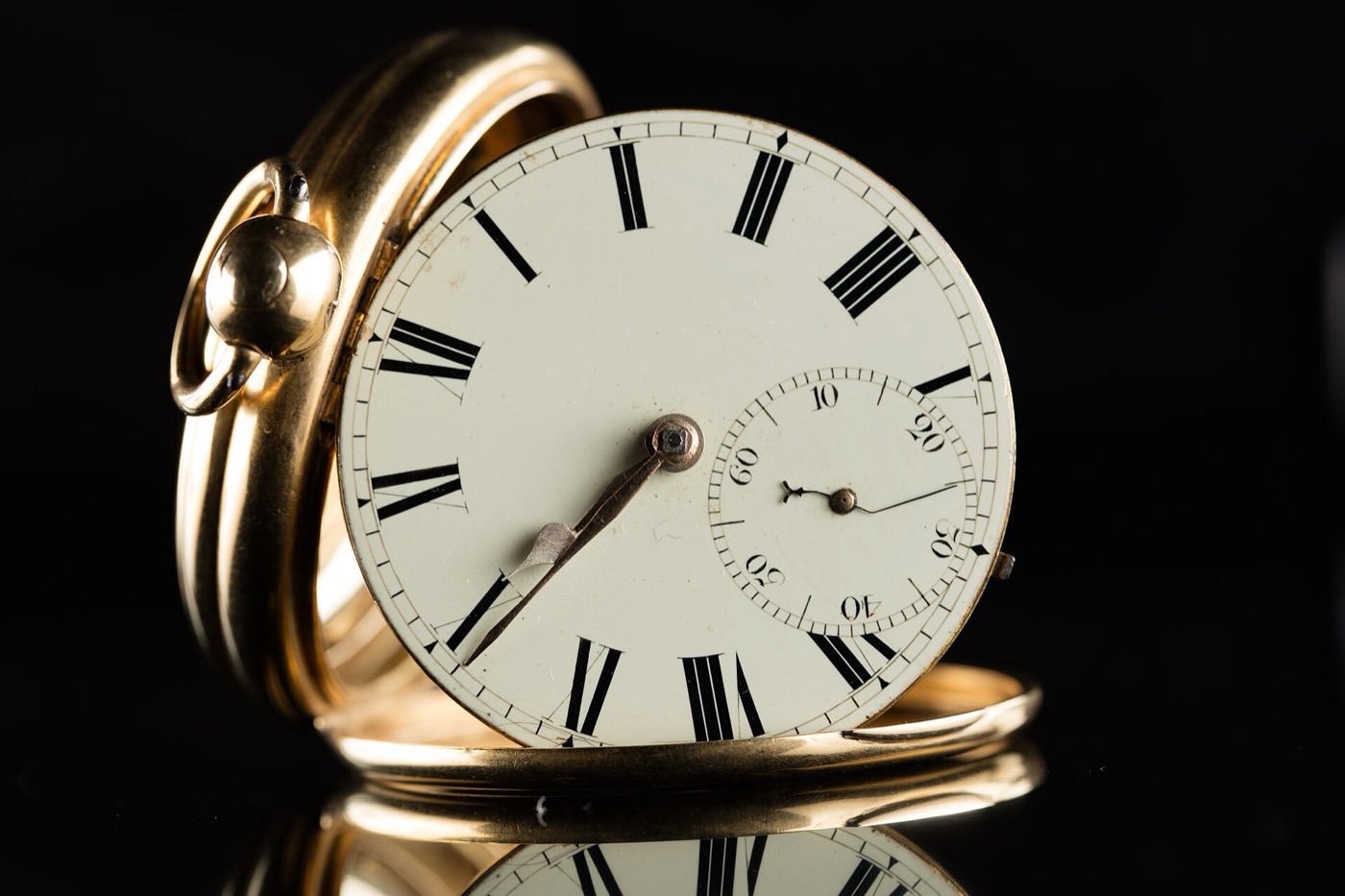
Around 1800 Britain made, by one estimate, about half the world’s watches, almost all by hand: rough movements from Prescot and its district in Lancashire were finished by specialists in London and Coventry. English makers kept to their own designs, the lever escapement and the fusee, while Swiss and American factories learned to make cheaper watches by machine and sold them in Britain by the million. Britain’s own watch factories, at Prescot from 1889 and later Smiths’ works at Cheltenham and in Wales, came late or cost too much, and making watches in quantity in Britain ended around 1980.1, 2, 3, 4, 5, 7, 8, 9, 11, 18, 24
Part 1
Movements from Lancashire
Prescot, a small market town near Liverpool, made the movements. Thomas Pennant wrote in 1773 that it supplied the best and almost all the watch movements used in England, and the best files in Europe; John Aikin wrote in 1795 that the town produced the best in the world.1, 25
How the trade began is a matter of tradition. The Victoria County History reports that it is said to have been brought by a Huguenot refugee named Woolrich, who settled at Coptholt, and Knowsley’s archive service repeats the story, adding that the town’s blacksmiths took up the skill and worked in their houses.1, 25
When it began is disputed too. Prescot Museum dates watchmaking in the town from the early 1700s; Grace’s Guide says the trade seems to have reached Prescot soon after watchmaking came to England, which it places in the Commonwealth, about 1650.5, 26
The work was divided. Prescot Museum describes craftsmen in workshops attached to their houses, each making one kind of part, and others making the precision hand tools the trade needed; it says that in 1860 over a third of the town’s people worked in the trade.5
Prescot’s tools were as famous as its movements. The Victoria County History records that around 1840 the town was known for watch tools and motion work, for drawing pinion wire in fifty sizes and for small files exported in large quantities.1
The toolmaker John Wyke made watches, hand tools, lathes and wheel-cutting engines for the trade; Grace’s Guide says Prescot’s conservative watchmakers disliked his innovations and that he moved to Liverpool, where he died in 1787, and was buried at Prescot. Grace’s Guide gives his birth as 1729, the Science Museum Group as 1720.27, 28
The movements left Prescot rough, to be finished elsewhere: by the late eighteenth century Lancashire movements from around Prescot were finished in London, and the Warwickshire Industrial Archaeology Society says many of the components finished in Coventry came from Lancashire, Prescot above all.2, 11, 12
Part 2
Finished in London and Coventry
London finished and sold the watch. In 1747 The London Tradesman, quoted in the Survey of London, says the watchmaker gathered the parts made by others and gave the whole to the finisher.24
How many watches Clerkenwell made at its height is told differently. Alun Davies puts it at about 200,000 a year in the 1790s, made by hundreds of masters and thousands of outworkers; the Survey of London gives 70,000 timepieces for export and 50,000 for the home market in 1797.2, 24
Coventry became the third centre. Watchmaking is recorded there from the late 17th century; the Victoria County History counts at least 53 watchmakers in 1830 and 142 in 1850 and calls those twenty years the period of greatest development.3, 12
In 1851, by the Victoria County History’s count, 776 heads of household in Coventry worked in the watch trade and over 2,000 people in all; 21 manufacturers employed 631 men between them, and in the 1850s more than half the city’s apprentices went into watchmaking against a fifth into weaving.3
New streets were built for the trade. Chapelfields was laid out in the late 1840s as an extension of the watchmaking areas of Earlsdon and Spon End, its houses built with workshops built into the back of the upper floor or in rear “tails”, larger or smaller as the occupant was employer or journeyman; well-lit top shops were part of the outwork system.3, 12, 13
Part 3
The English watch: lever and fusee
The lever escapement was English. Thomas Mudge devised it in the 1750s, and Liverpool makers developed it: Peter Litherland patented a rack lever in 1791, and Liverpool watches of about 1800 carry Edward Massey’s modified lever.14, 15, 16
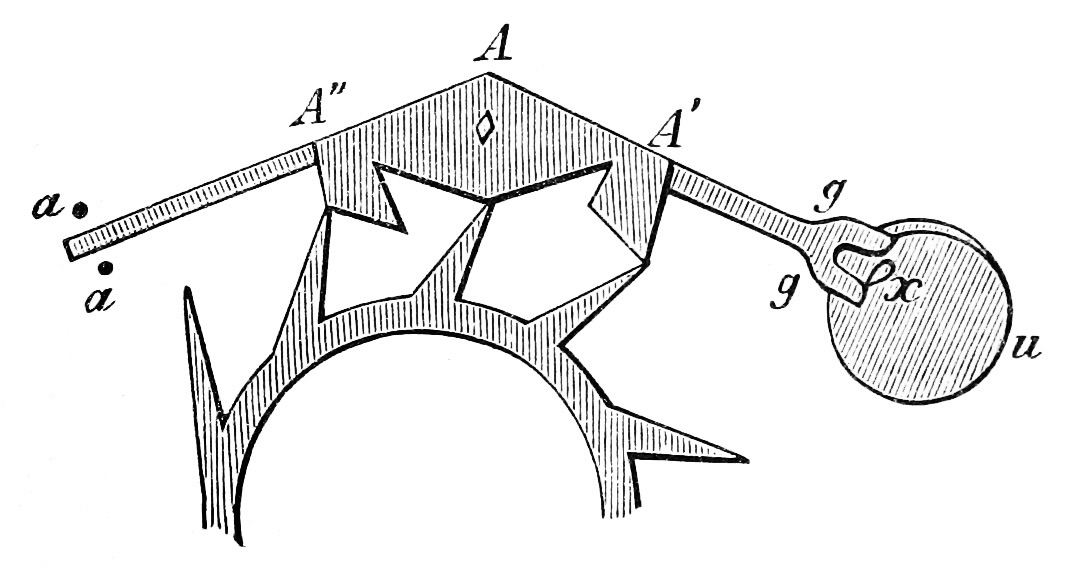
English makers kept the pointed “ratchet” teeth of the early form, which the Seiko Museum calls the English escapement; the Swiss club tooth, which wore less, became the preferred shape.14, 30
English watches also kept the fusee, the cone and chain that evens out the mainspring’s pull. By 1850 the Swiss and American industries used the going barrel alone, while English makers went on making bulky full-plate fusee watches until about 1900.2, 4
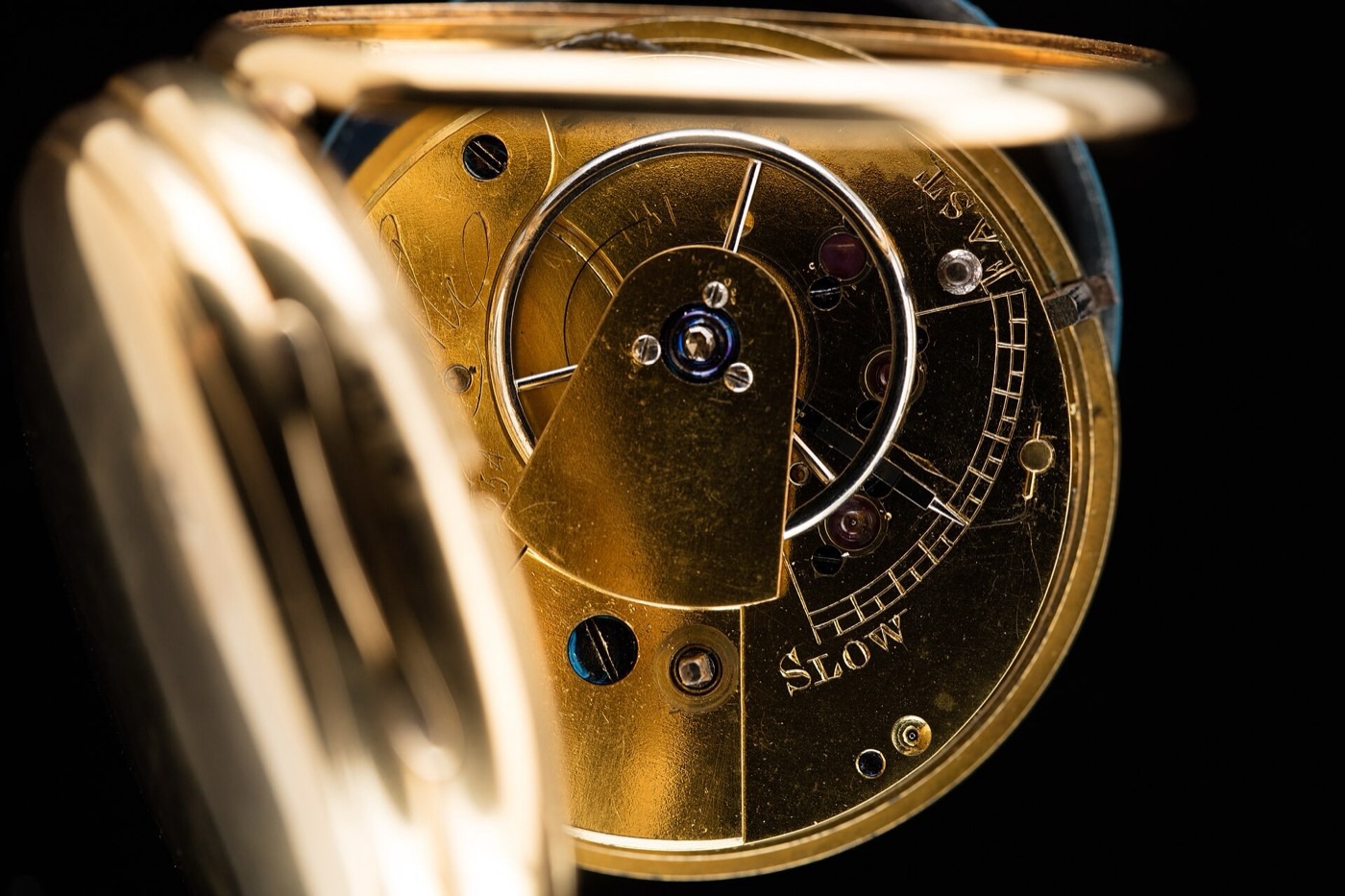
Davies argues that the fusee was better in principle but cost more, could break its chain and needed a thicker case just as thin watches came into fashion; it remained the mark of Clerkenwell’s best work.2
The American factories made the opposite choice: the Waltham makers dropped the fusee and chain of English watches for one mainspring in a going barrel, a simpler watch to build by machine.17
Part 4
Swiss and American competition
Davies writes that cheap Swiss watches came first by smuggling, in tens of thousands, and after 1850, as tariffs fell and then went, by the million; American factory watches followed after 1858. Penalties for smuggling were so small, he notes, that insurance against seizure became a routine cost.2
London fell back after 1870, in the Survey of London’s words, before lower Swiss wages and American mechanization; Prescot was hit in the same decade, and Prescot Museum says most of its workshops had closed by 1885, their workers reluctant to give up their traditional skills.2, 5, 18, 24
A factory had been tried early. Davies writes that in 1842-43 the Swiss watchmaker Pierre Frédéric Ingold sought about £250,000 for a London company to make 300 watches a day; outworkers opposed it, some broke the factory’s windows, and Parliament threw out the bill despite Gladstone’s support at the Board of Trade. The Historical Dictionary of Switzerland dates the failed London venture 1839 to 1842; Ingold went on to the United States.2, 32
Birmingham saw more attempts. Davies writes that the Anglo-American company bought machines from a defunct American factory in the 1870s and that its successor, the English Watch Company, lasted a year or two, while William Ehrhardt, a German immigrant, gathered outworkers into a factory that employed 400 people and made about 600 watches a week by 1899.2
By Davies’s account Britain imported 2.5 million watches in 1907 and 4.5 million in 1914, while the 1907 Census of Production found British factories and large workshops making only 75,000; by 1914 British makers supplied less than a tenth of the home market by number.2
Part 5
Factories too late
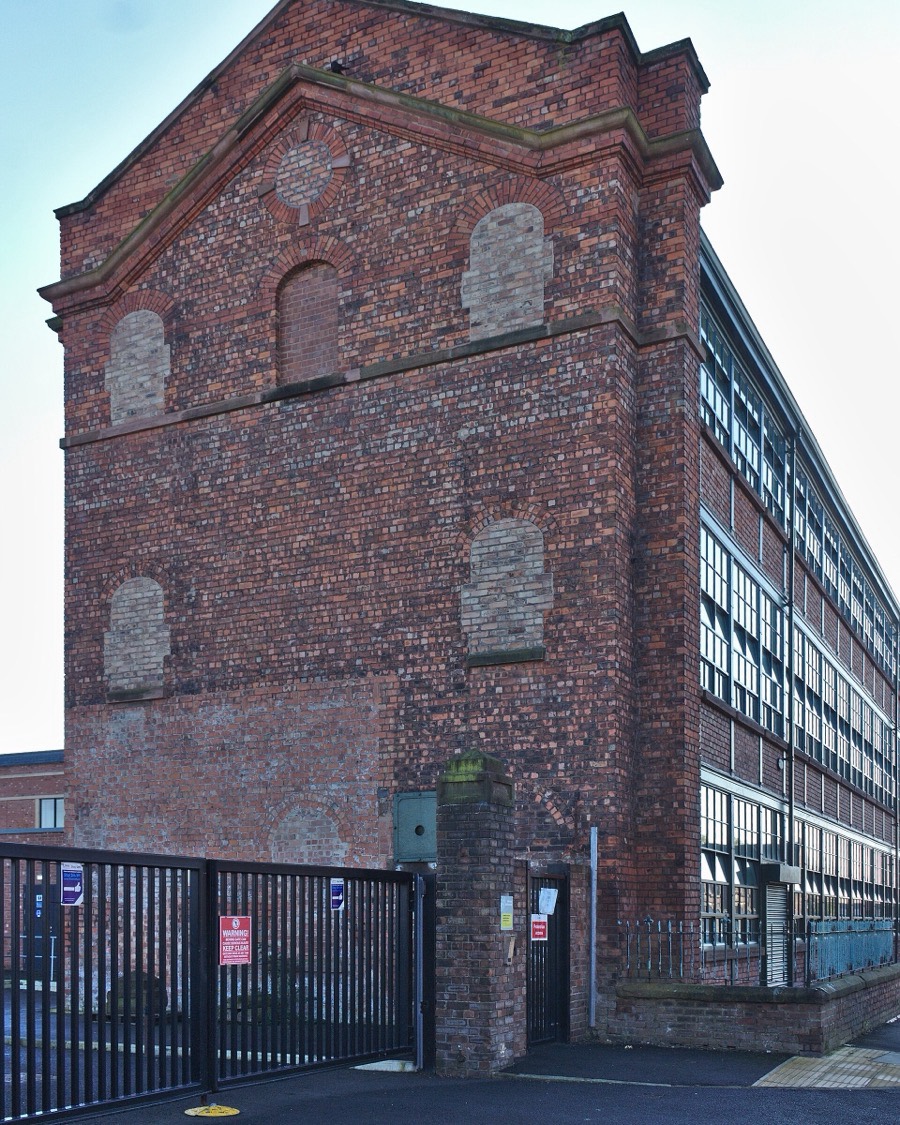
At Prescot the Lancashire Watch Company, led by T. P. Hewitt, bought up the old workshops with their tools and workers and built a factory to make complete watches under one roof.2, 5, 18
It is dated two ways: Grace’s Guide records its registration on 5 December 1888 and Davies says it was formed in 1888, while Prescot Museum, Knowsley’s archive and Wikipedia give 1889. Its end is dated two ways as well: bankrupt in 1910 by Davies’s and Wikipedia’s account, closed in January 1911 by the museum’s.2, 5, 18, 25, 26
In Coventry, Rotherham & Sons, which Grace’s Guide traces to Samuel Vale’s firm of 1747, was the largest maker. Davies writes that John Rotherham, who had seen American watchmaking on a visit in 1856, brought in new machinery in 1880; by 1899 the firm employed 400 to 500 people.2, 3, 12, 34
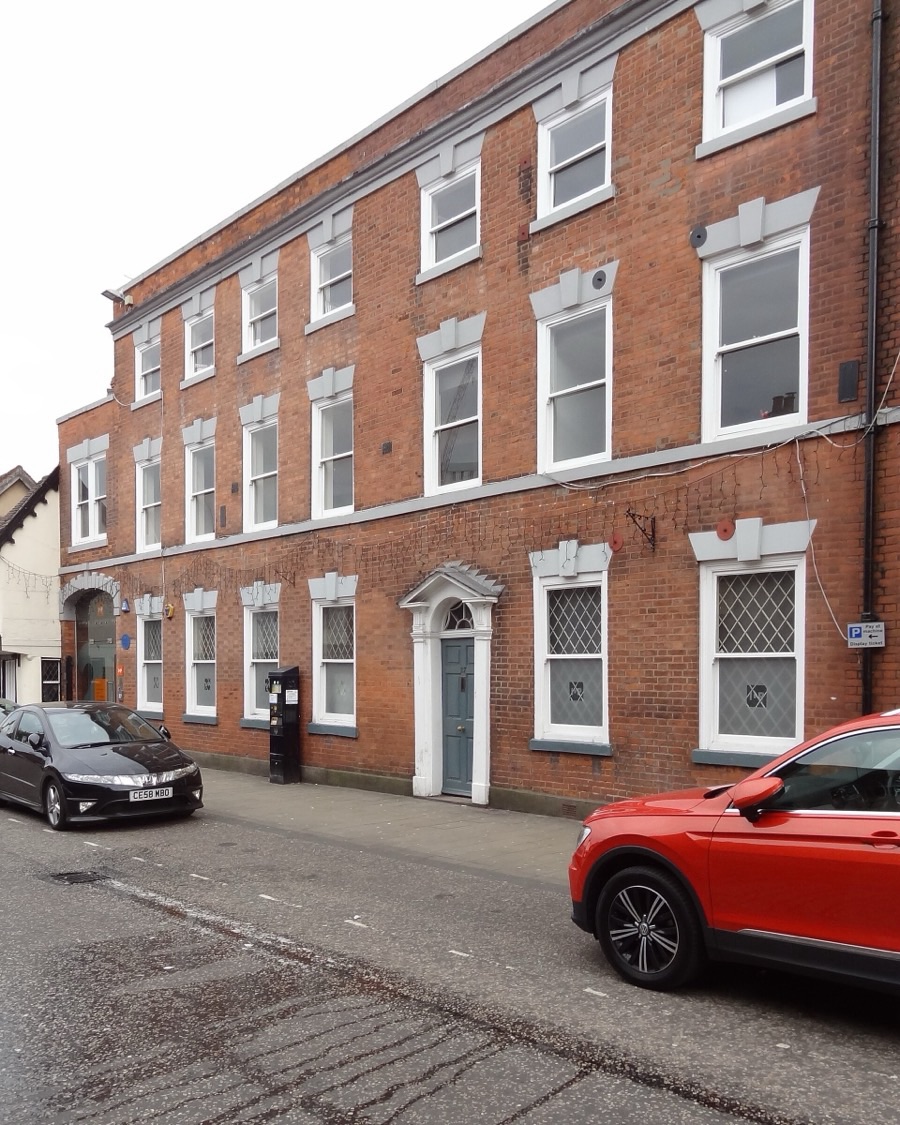
Accounts of Rotherham’s output differ: the Warwickshire Industrial Archaeology Society gives 500 watches a week in the 1880s, Davies about 100 a day by 1890, and the Victoria County History 100 a day in 1899.2, 3, 12
Davies argues that these factories took up only part of the American system: they made too many models and kept old workers, hand finishing and paternal management, and simply bringing in the latest machine tools, he writes, did not guarantee commercial success.2
A few held on. Prescot Museum says A. J. Huckle bought some of the Lancashire company’s machinery and made watches as the Prescot Watch Company until 1912, and that Joseph Preston & Sons, keeping to traditional methods, lasted until 1952; after the Second World War, the Victoria County History says, only Rotherham & Sons and S. Alexander & Son remained in Coventry.3, 5
Part 6
Smiths and the state
War brought protection. From 29 September 1915 imported clocks, watches and their parts paid a customs duty of 33⅓ per cent of value, one of the Chancellor Reginald McKenna’s wartime duties; in the Commons Sir Alfred Mond warned that on a better Swiss watch it was practically prohibitive.19
By the Second World War Britain made no cheap watches: in 1943 the Board of Trade told the Commons that cheap watches and watch parts were not made in the country and that Switzerland was the one possible supplier.21
S. Smith & Sons, which had begun in 1851 as Samuel Smith’s watch and jewellery shop in south London, had become chiefly a maker of motor and aircraft instruments. It returned to timekeeping with Smiths English Clocks in 1931, and in 1932 bought English Clock and Watch Manufacturers of Coventry.8, 36, 37, 38, 39
In 1939, Grace’s Guide records, Smiths bought Kayte Farm at Bishop’s Cleeve near Cheltenham to move work away from expected bombing in London; in the war it made shell fuses and set up British Precision Springs to make hairsprings once the German supply was cut off.38
After the war the government backed a watch factory in Wales. The Anglo-Celtic Watch Company, owned in equal shares by Smiths English Clocks, Ingersoll Ltd and initially Vickers-Armstrongs, opened at Ystradgynlais on 15 March 1947; the Brecknock Society’s history records the Chancellor, Hugh Dalton, promising “a new Switzerland” among the Welsh mountains.6, 8, 9
At its height in the mid-1960s, the Brecknock Society says, Anglo-Celtic made 30,000 watches a week, pin-lever and jewelled-lever, exported to more than sixty countries, with over 1,400 workers; Wikipedia gives a peak of 1,420.8, 9
Smiths made its better watches at Cheltenham. The Science Museum Group’s record of the Smiths De Luxe that Edmund Hillary wore to the summit of Everest on 29 May 1953 names its maker as Smiths English Clocks, Cheltenham.8, 20
Imports stayed under licence. The Board of Trade said in 1960 that 309 firms were licensed to import Swiss watches, chosen in 1946 by their imports of 1938-39, and in 1962 counted 304 licensed for Swiss watches costing under £5.40, 41
Part 7
The end of mass production
James Nye of the Antiquarian Horological Society writes that Smiths lost money on every watch made at Cheltenham, subsidised from elsewhere in the business; in September 1970 it announced that watch production there would end, and it had by March 1971.7
A small team carried on with a quartz watch, the Quasar, shown at the Basle Fair in 1973; Nye says Smiths’ chairman and managing director dropped it after seeing Seiko’s factories, before volume production began.7
Grace’s Guide records that Smiths split its clock and watch business into separate companies in 1977 and stopped making clocks for the home market in 1979. Anglo-Celtic closed in 1980, and the Ystradgynlais site passed to Smiths’ vehicle-instrument business.8, 9, 42
The Brecknock Society puts the end down to competition from countries with lower labour costs; Davies, writing of the earlier trade, says an old technology is doomed unless it comes to terms with changing production and markets.2, 9
Through this history
The companies, people, technologies, objects and events this chapter is made of, in the order the story meets them.
Technology
The lever escapementThe English escapement, devised by Mudge and developed by Liverpool makers.14, 15, 16
History
America industrializes the watchThe machine-made American watches that undercut the English trade, built without the fusee.2, 17
Company
Lancashire Watch CompanyPrescot’s attempt, from 1889, to make complete watches in a factory.2, 5, 18
Key dates
- 1747
Samuel Vale’s Coventry firm, later Rotherham & Sons, is established (by Grace’s Guide and the Warwickshire Industrial Archaeology Society).12, 34
- 1791
Peter Litherland of Liverpool patents his rack lever escapement.15
- 1795
John Aikin praises Prescot’s watch trade in his account of the country round Manchester.1, 25
- 1889
The Lancashire Watch Company is founded at Prescot (registered in December 1888, by Grace’s Guide).5, 18, 25, 26
- 1910
The Lancashire Watch Company fails (its contents were sold early in 1911).2, 5, 18, 25
- 1915
A customs duty of 33⅓ per cent is laid on imported clocks, watches and parts (29 September).19
- 1932
Smiths buys English Clock and Watch Manufacturers of Coventry.37, 39
- 1943
The Board of Trade tells the Commons that cheap watches are not made in Britain.21
- 1947
The Anglo-Celtic Watch Company opens at Ystradgynlais (15 March).6, 9
- 1953
Edmund Hillary wears a Cheltenham-made Smiths De Luxe on Everest (29 May).8, 20
- 1980
The Anglo-Celtic watch factory closes.8, 9
Where this leads
- Before, Era IIIAmerica industrializes the watch
1850 to 1930
- After, Era IIIGerman watchmaking
1845 to today
Where Britain’s watch industry leads
- See also, HistorySwitzerland’s network of specialists
Swiss watches, smuggled and then imported by the million after 1850, undercut the English trade.2, 24
- See also, PersonGeorge Daniels
A British watchmaker who made complete watches by hand, in London and later on the Isle of Man.43, 44, 45
- See also, TechnologyInterchangeable parts
Davies argues the Lancashire Watch Company and Rotherham’s took up only part of the American system of machine-made parts.2
- See also, TechnologyThe marine chronometer
The fusee lasted longest in marine chronometers, and Davies lists the defence case for hand-made chronometers among the reasons the trade resisted change.2, 4
Facts and sources
- Period
- About 1750 to 19801, 2, 8, 9
- Where
- Prescot and south-west Lancashire, London (Clerkenwell), Coventry, Liverpool and Birmingham; in the 20th century Cheltenham and Ystradgynlais1, 2, 3, 6, 7
Sources
- 1
- 2
- 3
The City of Coventry: Crafts and industries, Modern industry and trade (opens in a new tab)
- 4
- 5
Lancashire Watch Company (information sheet) (opens in a new tab)
- 6
- 7
High-frequency quartz watch fails to resonate (opens in a new tab)
- 8
- 9
The Ystradgynlais Tic Toc Factory (Occasional Paper 16) (opens in a new tab)
- 10
- 11
- 12
- 13
Conservation Area Control Plan: Chapelfields (opens in a new tab)
- 14
- 15
- 16
Massey patent lever escapement pocket watch mechanism (1920-557) (opens in a new tab)
- 17
American Watch Company Prototype (NMAH 1204764) (opens in a new tab)
- 18
- 19
Clocks, Watches, etc. (HC Deb 30 September 1915 vol 74 cc1061-7) (opens in a new tab)
- 20
- 21
Watches (HC Deb 01 July 1943 vol 390 c1804W) (opens in a new tab)
- 22
Die Geschichte der Uhrenstadt Glashütte (opens in a new tab)
- 23
- 24
Introduction, in Survey of London: Volume 46, South and East Clerkenwell (2008) (opens in a new tab)
- 25
- 26
- 27
- 28
John Wyke's Lancashire pattern Wheel cutting engine (opens in a new tab)
- 29
An English lever escapement, from Poul la Cour's Tidens naturlære, 1903. (opens in a new tab)
- 30
The lever escapement that led to modern developments (opens in a new tab)
- 31
- 32
- 33
- 34
- 35
- 36
- 37
- 38
- 39
- 40
- 41
Swiss Watches (HC Deb 20 December 1962) (opens in a new tab)
- 42
- 43
- 44
- 45
Working model of the co-axial escapement built by George Daniels (opens in a new tab)
Sources read November 12, 2026.