Moritz Grossmann
A Dresden-born watchmaker and technical writer who ran his own workshop in Glashütte from the 1850s and led the founding of the German watchmaking school there in 1878.
Born March 27, 1826, Dresden, Died January 23, 1885, Leipzig
Companies Moritz Grossmann, Mühle-Glashütte
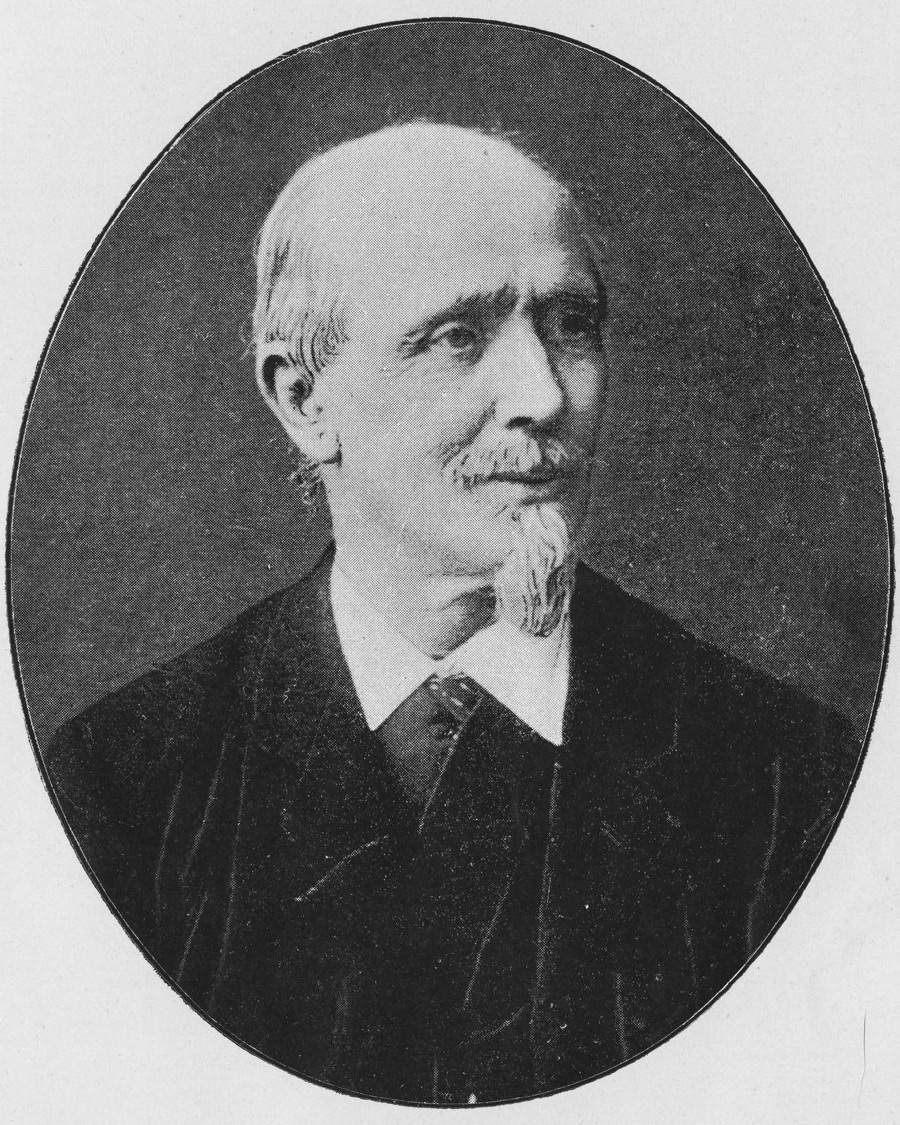

Years of travel
The son of a Dresden letter sorter, Grossmann spent two years at the city’s technical school and then trained as a watchmaker in Dresden.1, 2
From the late 1840s he worked his way through the trade in Hamburg, Munich, La Chaux-de-Fonds, England, France, Denmark and Sweden, and returned to Saxony in 1854. Ferdinand Adolph Lange was among those who drew him to Glashütte.1, 2, 4
His own workshop there opened in 1854 by one account, and by another early in 1855, after his marriage in the town.1, 2
Workshop and writing
The workshop made pocket watches, pendulum clocks and precision measuring instruments, from single improved parts to complete movements.1, 2
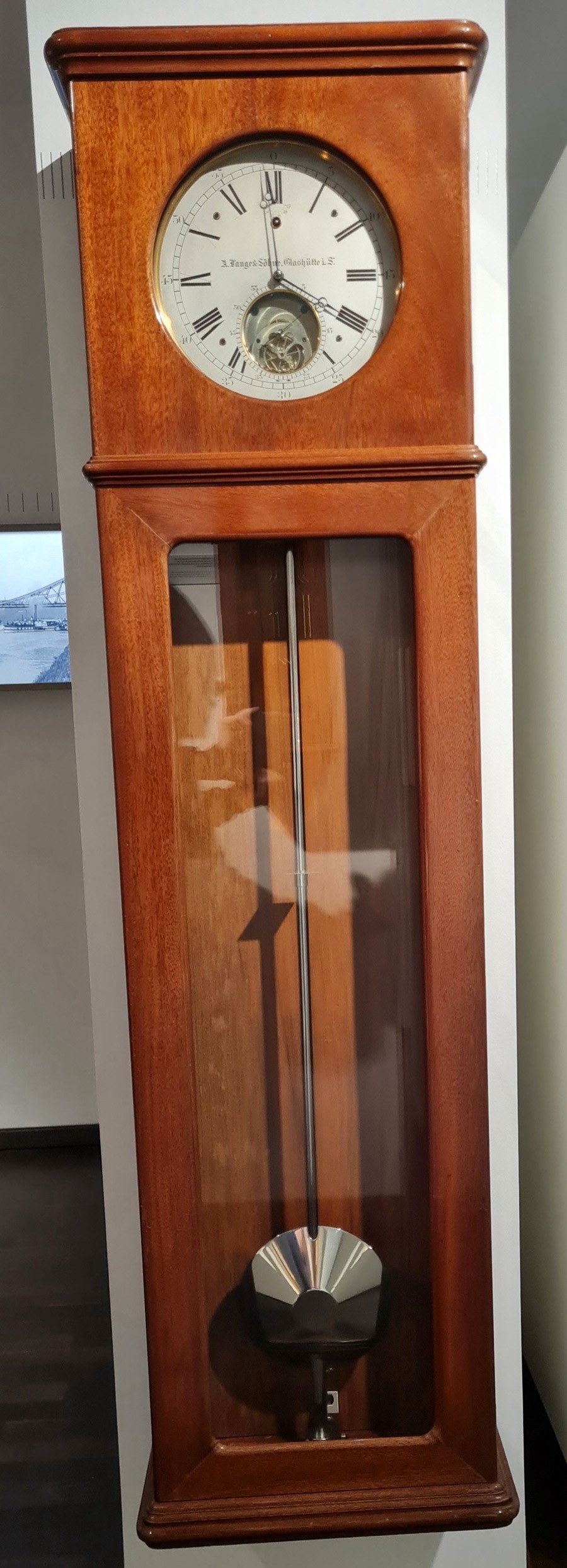
He was as well known for writing about watchmaking as for making watches. The company that now bears his name says his treatise on the free lever escapement took a prize from the British Horological Institute in London in 1866; he also compiled a pocket dictionary for watchmakers.1, 4
His workshop was dissolved after his death.1, 2
The German watchmaking school
Grossmann drew up the teaching plan for a national watchmaking school in Glashütte and pushed it through. The Deutsche Uhrmacherschule opened on May 1, 1878, and moved into a building of its own in 1881.1, 3, 4, 7
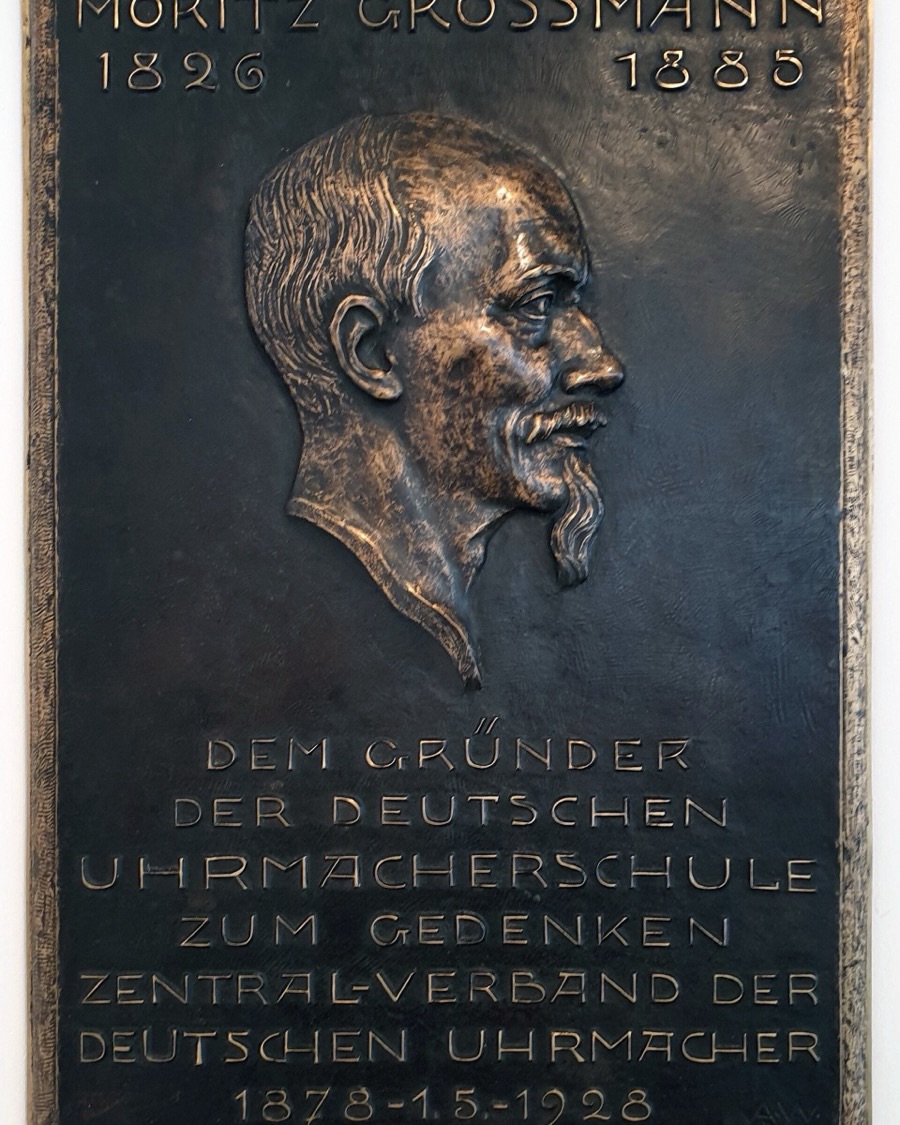
The school outlived him by more than a century, becoming an engineering school for precision technology in the East German years and closing in 1992. Since 2008 its building has housed the German Watch Museum Glashütte.1, 3, 4
Civic life
Grossmann sat on the Glashütte town council from 1866 to 1878, later served in the Saxon state parliament, and chaired the committee for the Müglitz valley railway, which opened in 1891.1, 2
He died in Leipzig in January 1885, straight after a lecture on introducing a world time. In 2008 a new watch company in Glashütte, Moritz Grossmann, took his name.1
Key dates
Where Moritz Grossmann leads
- Part of, TraditionThe Glashütte tradition
The watchmaking school he started in 1878 trained Glashütte’s watchmakers for more than a century.1, 3, 4
- See also, CompanyMoritz Grossmann
The company was founded in 2008 on the rights to the name of the Glashütte watchmaker Moritz Grossmann, who died in 1885.1, 9
- See also, CompanyMühle-Glashütte
Robert Mühle trained as a precision toolmaker with Moritz Grossmann before setting up his own workshop.10, 11
- See also, PersonFerdinand Adolph Lange
Lange drew watchmakers to Glashütte to set up on their own; Grossmann, who worked for him at the start, was one.2, 4
- See also, PlaceGlashütte
Where he had his workshop, sat on the council, and has a square named after him.1, 2
Facts and sources
- Born
- March 27, 1826, Dresden1, 2
- Died
- January 23, 1885, Leipzig1, 2
- Founded
- Deutsche Uhrmacherschule Glashütte (initiator), 18781, 3, 4
Sources
- 1
- 2
- 3
- 4
Die Geschichte der Uhrenstadt Glashütte (opens in a new tab)
- 5
Moritz Grossmann, in a photograph reproduced in a book of 1910. (opens in a new tab)
- 6
- 7
- 8
- 9
- 10
- 11
Sources read November 11, 2026.