Tianjin
The northern port city where a trial group of four watch repairers built the Five Star watch in 1955, whose watch factory made the air force chronograph of the 1960s and the Dongfeng, and where its successor, Sea-Gull, now makes mechanical movements and complicated watches near the airport.
China, Tianjin municipality, on the Bohai Gulf south-east of Beijing
Companies here Sea-Gull (Tianjin)
In the history China builds a watch industry
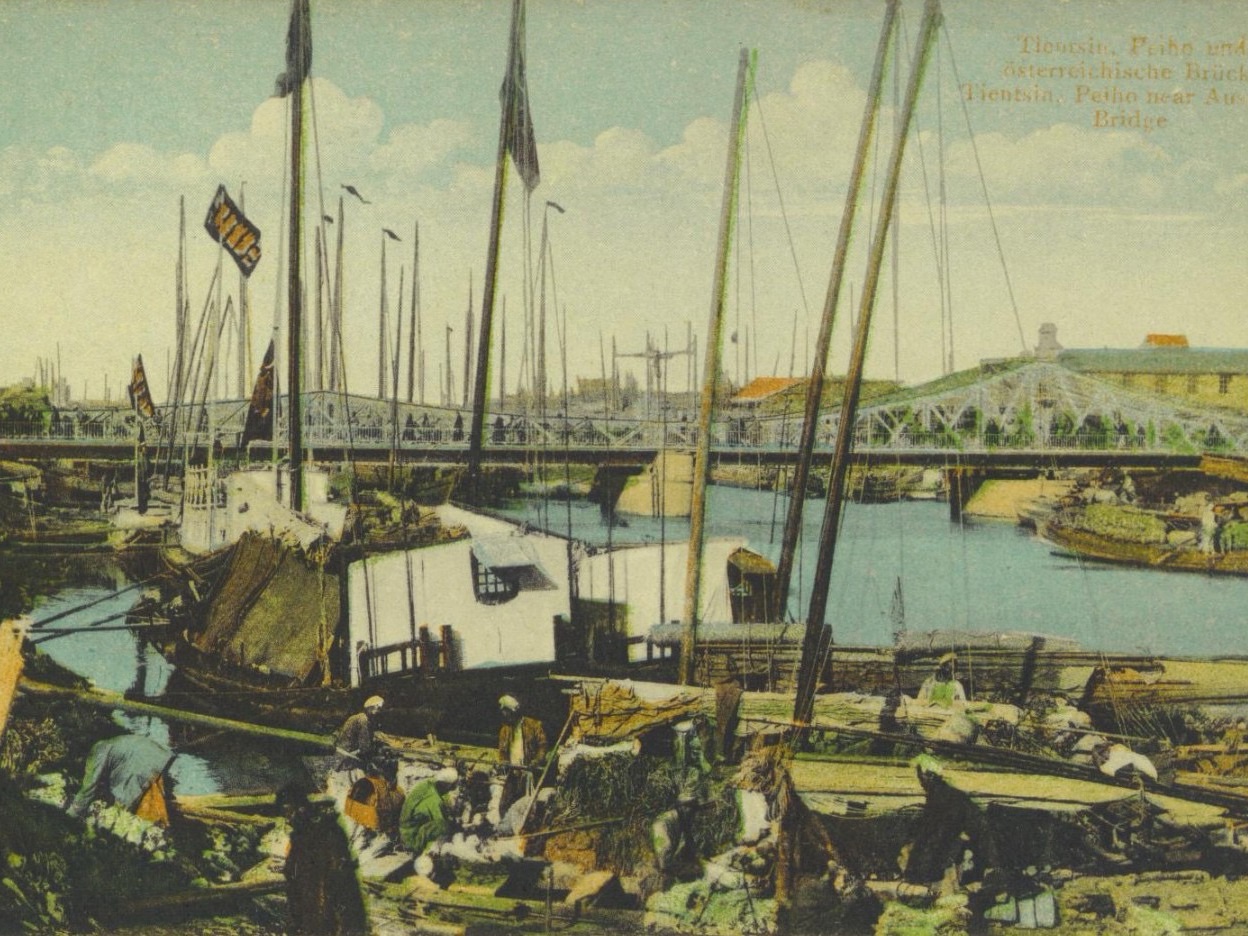
Why Tianjin?
Tianjin was a treaty port from 1860 and Beijing’s gateway to the sea; Wikipedia records that eight foreign powers held concessions there by 1900, with their own police, schools and barracks.7
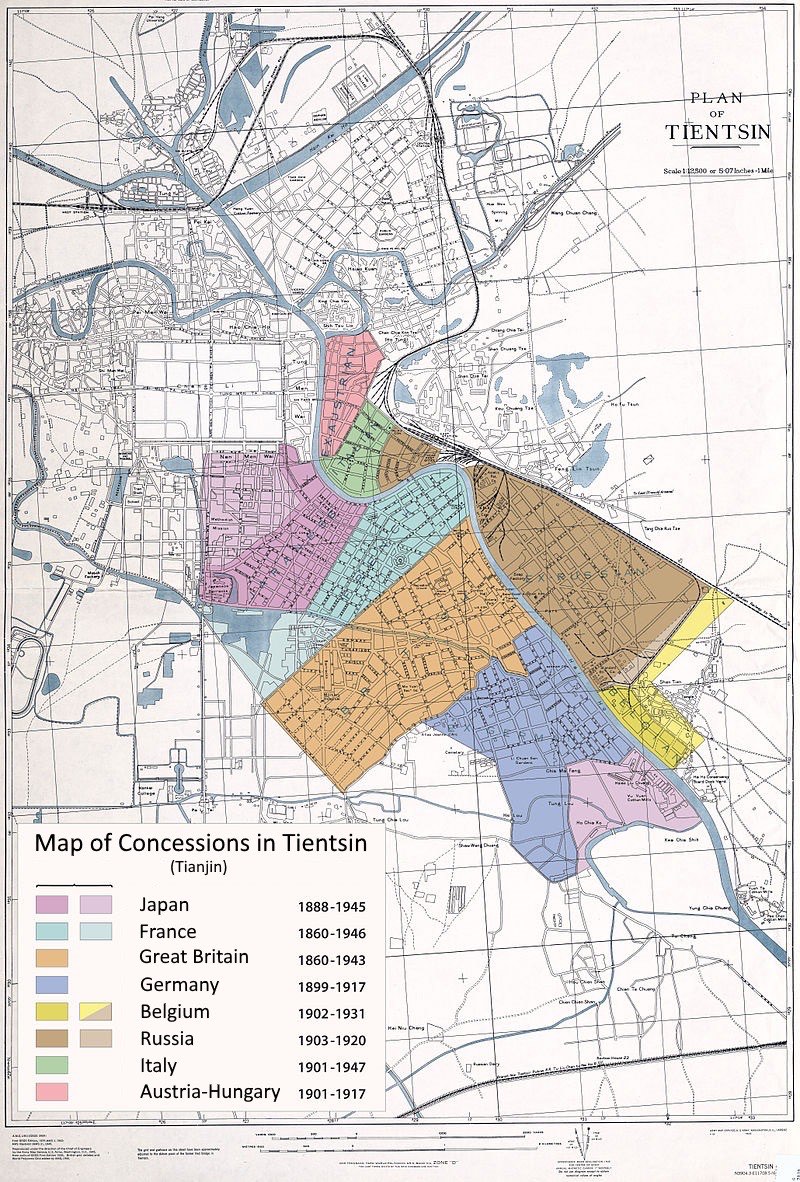
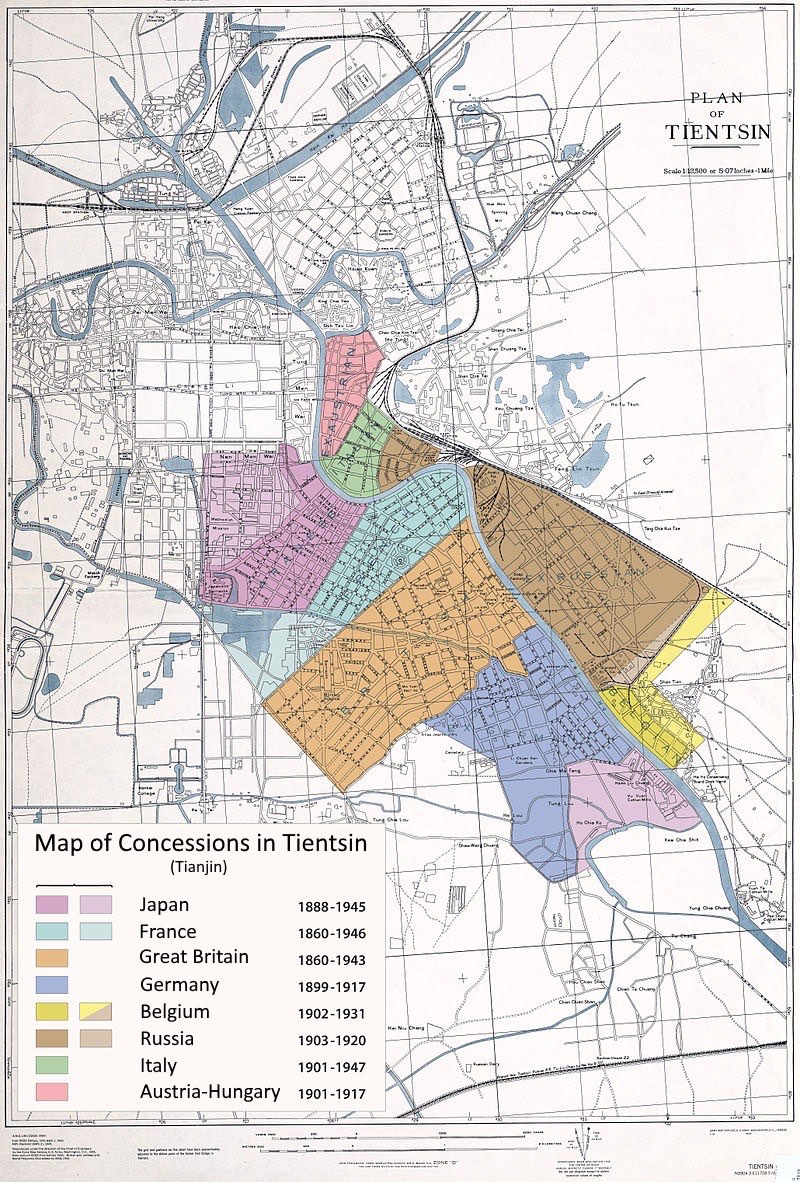
It was an industrial city. Chinese Wikipedia says Tianjin’s industry ranked second only to Shanghai’s under the Republic and the planned economy, and lists television sets, telephones, cameras, car engines and the watch among the products the People’s Republic first made there.10
It already made clocks. The Paper names two public-private clock factories, Huabei, which made wooden clocks, and Huawei, which made alarm clocks, as the source of three of the four men in the watch trial group.1
The city’s Light Industry Bureau approved the trial group at the end of 1954, The Paper reports, and it became the forerunner of the Tianjin Watch Factory and of Sea-Gull.1
What grew here
The Five Star was finished on 24 March 1955 in a room at the Huawei clock factory, by four repairers with four small machine tools.1, 2
The factory’s beginning is dated two ways: 1955 by Xinhua and Sea-Gull; 1958 by Chinese Watch Wiki, which says it opened as the Tianjin Wuyi Watch Factory and took the name Tianjin Watch Factory in 1962.2, 4, 11
Project 304 made Tianjin the home of the Chinese chronograph. Chinese Watch Wiki says Swiss Venus tooling was installed there in the 1960s for the air force watch, and Sea-Gull says 1,400 were delivered to pilots.3, 4
In 1966 the factory added the Dongfeng, which Sea-Gull says its own watchmakers designed.4, 11
Tianjin also helped design the national watch: Wikipedia names the Tianjin factory and the timing-instrument specialists of Tianjin University in the group that drew the standard movement from 1969.12
Who and what moved through
Machines came from Switzerland: the Venus calibre 175 tooling, which Chinese Watch Wiki says the Soviet Union had declined.3
Watches went out under a new name. Chinese Watch Wiki says export was approved in 1973 under the name Sea-Gull, and that movements went to Romania’s Mechanica Fina for Orex watches.11
Xinhua’s photo archive records Sea-Gull watches on sale at the Guangzhou foreign trade centre in 1980.2
Sea-Gull opened an office in Hong Kong in 2003 to handle its exports.5, 11
Its movements travelled further than its name: Chinese Watch Wiki says they went in quantity to Hong Kong assemblers, and that Sea-Gull ébauches were supplied to Swiss finishers.11
What changed because of it
The factory became the Sea-Gull group in the 1990s; Wikipedia and Chinese Watch Wiki say it gave up mechanical watches for quartz in 1992 and returned to them five years later.5, 11
In 2010 Sea-Gull moved to new works near Tianjin airport, where its head office stands.4, 5
The city backed the move. Chinese Wikipedia says Tianjin listed a Sea-Gull precision machining base among its major industrial projects, begun on 18 June 2008 and planned for ten million movements a year.10
Xinhua reports that delegates to the 2016 Summer Davos meeting in Tianjin toured the watch works, and that Sea-Gull now has its own watch museum.2
The Five Star itself is in the Tianjin Museum, The Paper reports, and still keeps time.1
Key dates
- 1955
The Five Star watch is finished on 24 March.1, 2
- 1966
The Dongfeng watch goes into production.4, 11
- 1992
The Tianjin Sea-Gull company is formed and turns to quartz.5, 11, 13
- 1997
Sea-Gull goes back to mechanical movements and drops quartz.5, 11, 13
- 2003
Sea-Gull opens a Hong Kong office for its exports.5, 11
- 2009
The ST9250 movement combines a tourbillon, minute repeater and perpetual calendar.4, 5
- 2010
Sea-Gull moves to new works near Tianjin airport.4, 5
Where Tianjin leads
- Based here, CompanySea-Gull (Tianjin)
Sea-Gull’s head office and works are near Tianjin airport.4, 5
- Part of, HistoryChina builds a watch industry
Where four repairers built the Five Star watch in 1955.1, 2
- See also, PlaceShanghai
The two cities whose trial groups made watches by hand in 1955.1, 14
Facts and sources
- Country
- China1, 2
- Region
- Tianjin municipality, on the Bohai Gulf south-east of Beijing2, 7
- Watchmaking
- From 19551, 2
Sources
- 1
新中国第一只国产手表是怎样诞生的? (How new China's first domestic watch was born) (opens in a new tab)
- 2
- 3
- 4
- 5
- 6
- 7
- 8
- 9
- 10
- 11
- 12
- 13
- 14
"考古"上海手表厂,走进属于杨浦的"记忆" (An "archaeology" of the Shanghai Watch Factory) (opens in a new tab)
Sources read November 12, 2026.