Sinn
A Frankfurt watchmaker founded in 1961 by Helmut Sinn, a former wartime pilot who taught instrument flying. It began with navigation clocks and pilot’s chronographs, and since the 1990s has added case technologies of its own.
Founded 1961, Frankfurt am Main, Germany, Owned by Lothar Schmidt, since 1994
In the history German watchmaking

From cockpit clocks to case engineering
The business began with clocks for aircraft navigation and chronographs for pilots, and Sinn still sells its navigation cockpit clocks under the trademark NaBo.1, 4
On September 1, 1994, the engineer Lothar Schmidt bought the company and renamed it Sinn Spezialuhren GmbH. Over the following decade it introduced a series of technologies of its own, each aimed at a condition a watch is used in: magnetism, moisture, temperature, scratching and seawater.1, 2
Most of Sinn’s cases are made by SUG, a case maker in Glashütte that Lothar Schmidt co-founded in 1999.1, 3, 4
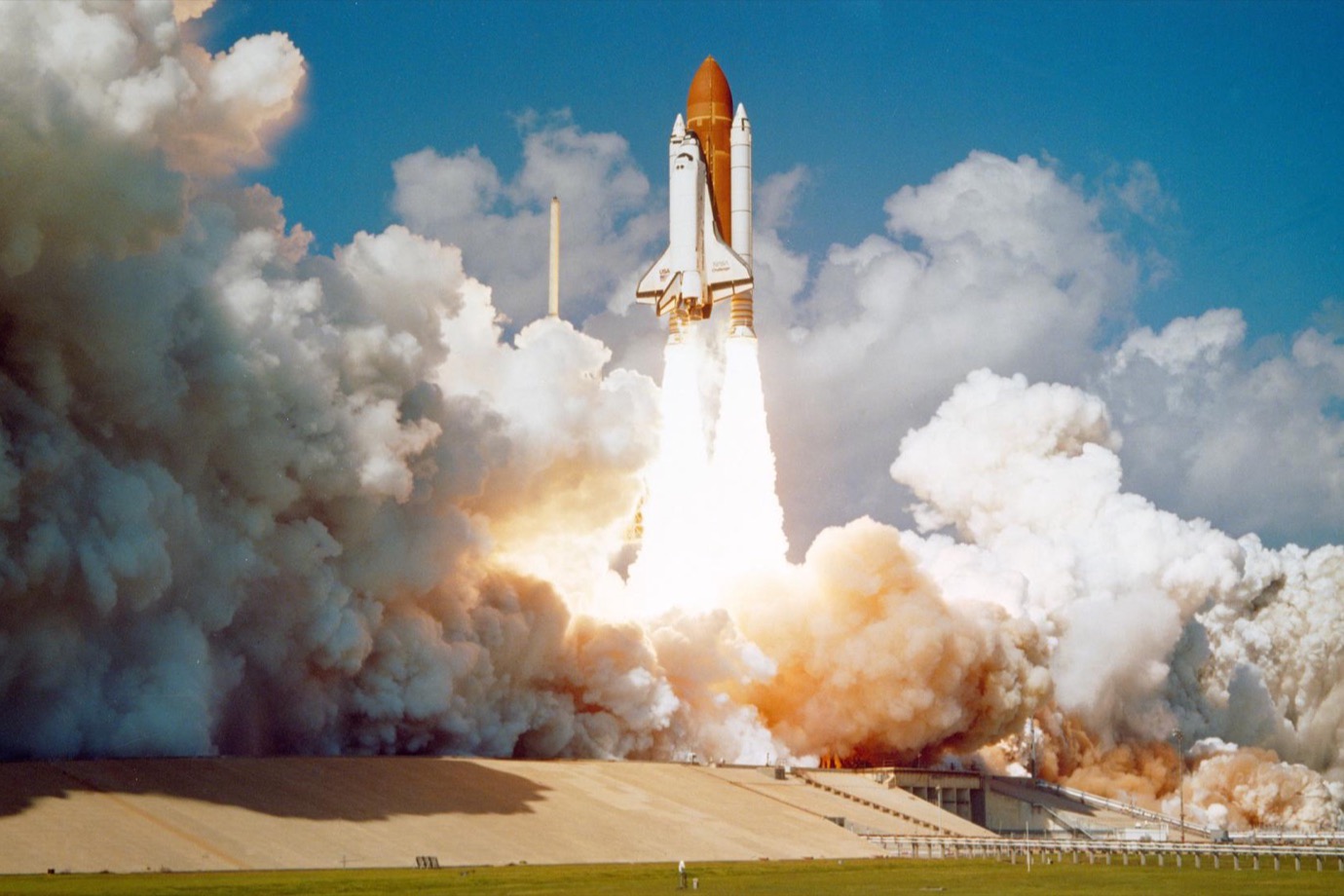
In 1985 the astronaut Reinhard Furrer wore a Sinn 140 S chronograph on the Spacelab D1 mission; Sinn says the flight showed that an automatic watch winds itself in weightlessness. Sinn chronographs flew again on the Mir-92 mission and, in 1993, on D-2 aboard Columbia.1, 2
Sinn builds its water-resistant watches to DIN 8310 and its diving watches to DIN 8306. It says it initiated TESTAF, a test standard for pilot’s watches developed with Aachen University of Applied Sciences and presented in 2012, which became the basis of the German standard DIN 8330.1, 4
Key dates
- 1961
Helmut Sinn founds the company in Frankfurt am Main.1, 2
- 1985
A Sinn 140 S is worn on the Spacelab D1 mission.1, 2
- 1994
Lothar Schmidt buys the company and renames it Sinn Spezialuhren GmbH.1, 2
- 1994
Magnetic field protection arrives, in the 244.1
- 1995
Ar-Dehumidifying Technology, a drying capsule, special seals and a protective gas filling, arrives in the 203 Ti Ar.1, 4
- 1998
Temperature Resistance Technology, which Sinn says keeps its watches working from −45 °C to +80 °C.1
- 1999
SUG, the Glashütte case maker co-founded by Sinn’s owner, begins work.1, 3
- 2003
Tegiment, a hardening of the steel case’s surface against scratches, arrives in the 756.1, 4
- 2005
Sinn makes a diving-watch case from German submarine steel and, it says, becomes the first watch company to have diving watches certified by Germanischer Lloyd.1, 4
- 2012
TESTAF, a test standard for pilot’s watches developed with Aachen University of Applied Sciences, is presented.1, 4
Where Sinn leads
- Part of, HistoryGerman watchmaking
A Frankfurt maker founded in 1961, one of the West German firms of the post-war years.1, 2
- Part of, TraditionDive watches
Sinn says it was the first watch company to have diving watches certified by Germanischer Lloyd, in 2005.1
- Part of, TraditionPilot’s watches
Sinn began with navigation clocks and pilot’s chronographs, and says it initiated TESTAF, the test standard for pilot’s watches behind DIN 8330.1, 4
- Part of, TraditionTool-watch engineering
Much of Sinn’s range is built on case technologies of its own, against magnetism, moisture, temperature, scratching and seawater.1
- See also, CompanyDamasko
Both German makers use submarine steel for diving cases and build around hard steel cases, by different methods.1, 4, 6
- See also, CompanyLaco
Sinn says it initiated TESTAF, the scheme on which DIN 8330 is based; Laco says its current pilot’s watches are certified to DIN 8330.1, 4, 7
- See also, PlaceGlashütte
Sinn says most of its cases come from SUG, a case maker in Glashütte co-founded by Sinn’s owner.3, 4
Elsewhere in Watch Vault
- Current coverage
Stories that name Sinn, newest first (opens in a new tab), in Watch Vault Media.
- References
Sinn references from the maker’s own pages (opens in a new tab), in the Watch Vault Archive Reference Directory.
Facts and sources
- Founded
- 19611, 2
- Founder
- Helmut Sinn1, 2
- Founded in
- Frankfurt am Main, Germany1
- Owner
- Lothar Schmidt, since 19941, 3
- Official site
- sinn.de (opens in a new tab)1
Sources
- 1
- 2
- 3
- 4
- 5
Launch of the shuttle Challenger, beginning of the STS 61-A mission (61A-S-018) (opens in a new tab)
- 6
- 7
Sources read November 10, 2026.