Patek Philippe
The Geneva watch house founded in 1839 by Antoni Norbert Patek and Franciszek Czapek, named Patek Philippe & Cie from 1851 after Jean Adrien Philippe joined, and owned by the Stern family since the 1930s.
Founded 1839 (Patek, Czapek & Cie); Patek Philippe & Cie from 1851, Geneva, Switzerland, Owned by The Stern family, since the 1930s
In the history Switzerland’s network of specialists
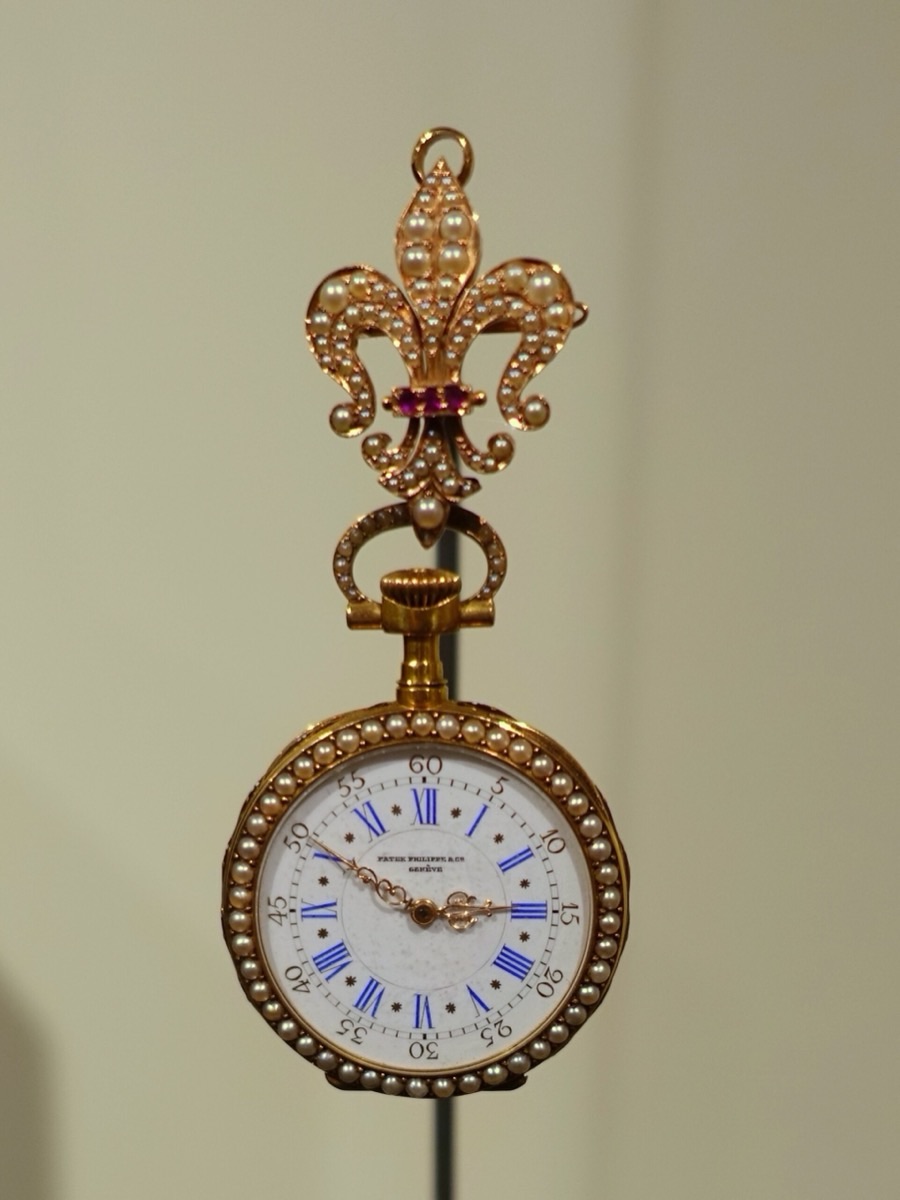
Founding in Geneva
Patek Philippe began in Geneva in 1839 as Patek, Czapek & Cie, a partnership between Antoni Norbert Patek, a Polish refugee in Geneva since 1835 and a watch merchant, and Franciszek Czapek, a Polish watchmaker of Czech origin.1, 2, 3
Its first workshop was at 29 quai des Bergues, on the right bank of the Rhône, according to the company.3
Czapek left in 1845; Patek founded a new house with the French watchmaker Jean Adrien Philippe and the Polish lawyer Wincenty Gostkowski, which became Patek Philippe & Cie in 1851.1, 2
Philippe brought a keyless winding and hand-setting system, patented in 1845 after a bronze medal at the Paris exposition of 1844, according to Wikipedia.2
An early work by the co-founder survives in New York: a pocket chronometer by François Czapek of about 1850-55 is in the Metropolitan Museum of Art.5
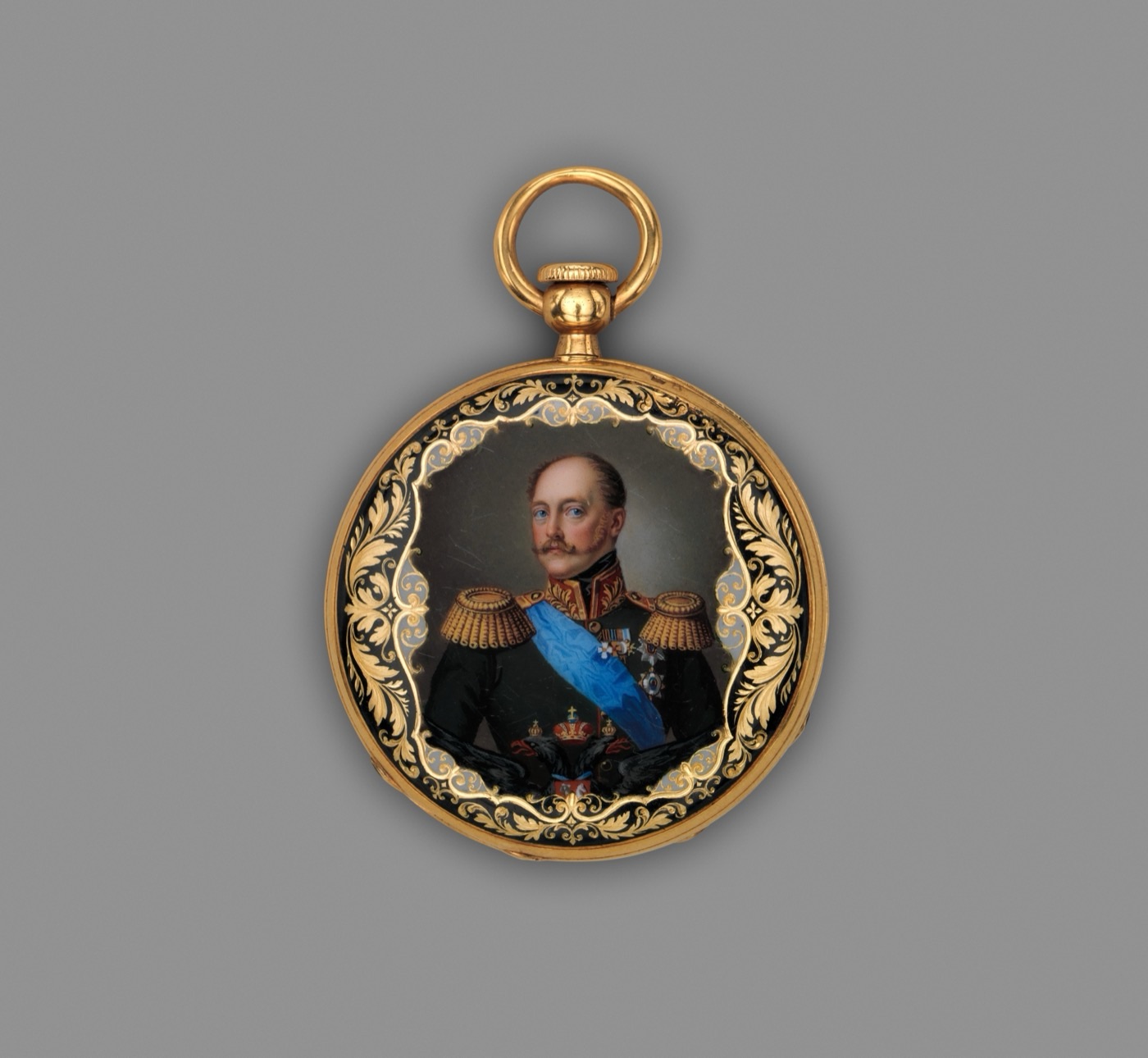
Patek Philippe says it moved in 1853 to 41 rue du Rhône, a building it still uses for clients, the "Salons".3

Company and owners
The Historical Dictionary of Switzerland records that it became a limited company in 1901 and Patek Philippe SA in 1983.1
In the crisis of the 1930s the shareholders sold most of their shares to Jean and Charles Stern, whose descendants still own the company; Wikipedia dates the purchase to 1932 and says the Sterns' dial factory had supplied Patek Philippe.1, 2
Complications
Like Geneva makers before it, Patek drew on the Jura network: Victorin Piguet of Le Brassus in the Vallée de Joux co-authored its Graves supercomplication, according to Audemars Piguet's historians.7
The Historical Dictionary of Switzerland says the watch Patek Philippe made for its 150th anniversary in 1989 passes as the most complicated in the world, and counts more than seventy patents.1
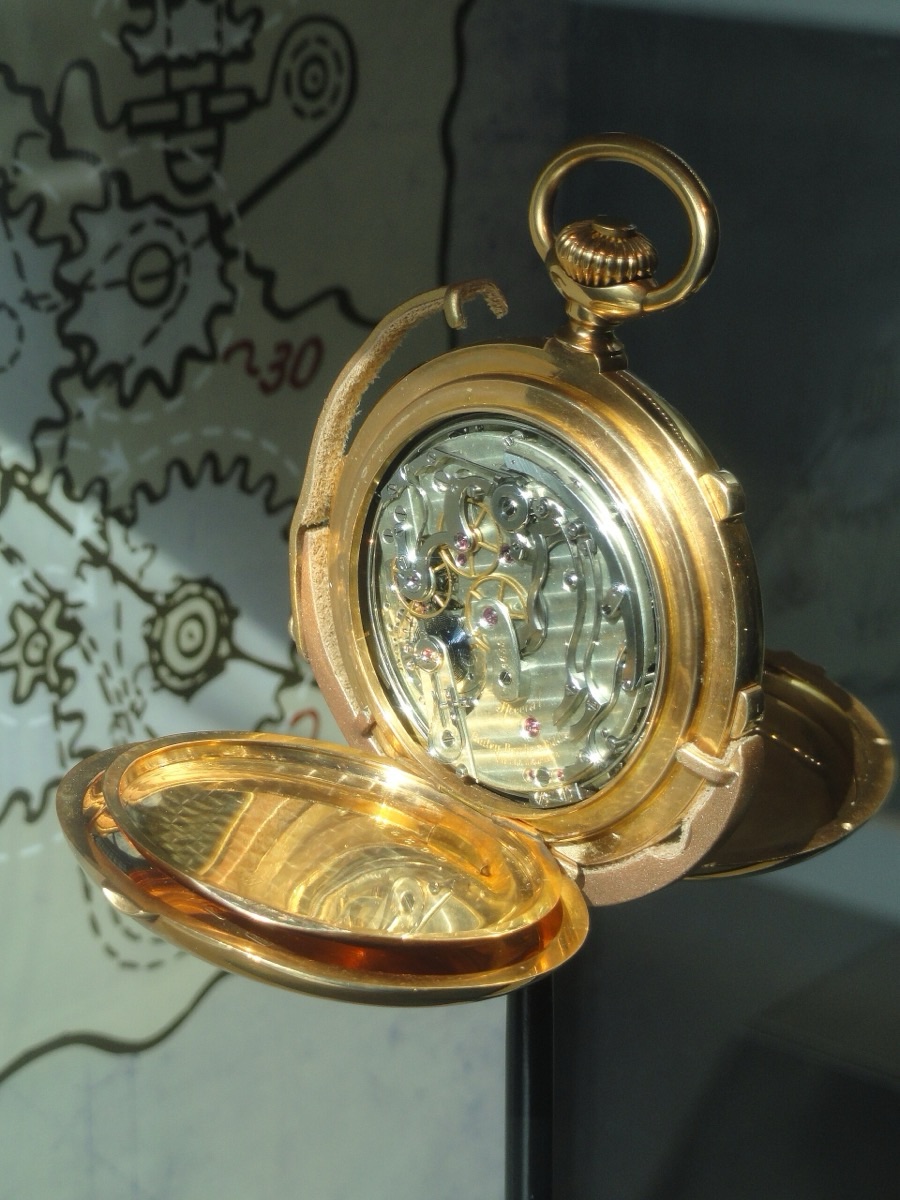
Plan-les-Ouates and the museum
Production and offices were brought together at Plan-les-Ouates in 1996-97, and the Patek Philippe Museum opened in Geneva in 2001 in a 1919-20 industrial building.1, 3
Patek Philippe says that between 2001 and 2010 it tied up with Jura specialists, the case maker Calame, the polisher Poli-Art, the setter SHG and the dial maker Cadrans Flückiger of Saint-Imier.3
Key dates
- 1839
Patek, Czapek & Cie founded in Geneva.1, 3
- 1845
Czapek leaves; Patek & Cie formed with Jean Adrien Philippe.1, 2
- 1851
The firm becomes Patek Philippe & Cie.1, 2
- 1853
Moves to 41 rue du Rhône.3
- 1932
Jean and Charles Stern take control.1, 2
- 1996
Production centralised at Plan-les-Ouates.1, 3
- 2001
Patek Philippe Museum opens in Geneva.1, 3
Where Patek Philippe leads
- Based in, PlaceGeneva
Founded in Geneva in 1839; based at Plan-les-Ouates.1, 3
- Used, TechnologySilicon in the movement
Patek Philippe dates its silicon escape wheel to 2005 and its Spiromax balance spring to 2006.9
- Part of, HistorySwitzerland’s network of specialists
A Geneva house founded in 1839 and bought in the crisis of the 1930s by the Stern brothers.1, 2
- See also, PersonGeorge Daniels
Daniels converted a Patek Philippe Nautilus to his escapement at the firm’s request in 1981.10
- See also, PlaceVallée de Joux
Audemars Piguet’s historians say Victorin Piguet of Le Brassus co-authored Patek Philippe’s Graves supercomplication.7
- See also, TechnologyThe wristwatch
Patek Philippe dates a bracelet watch for Countess Koscowicz to 1868.11, 12
- See also, EventThe pandemic watch boom and correction
Patek Philippe left Baselworld in 2020 and, JCK reports, ended the steel Nautilus 5711 in 2021, the boom’s most extreme resale case.13, 14, 15
Elsewhere in Watch Vault
- Current coverage
Stories that name Patek Philippe, newest first (opens in a new tab), in Watch Vault Media.
Facts and sources
- Founded
- 1839 (Patek, Czapek & Cie); Patek Philippe & Cie from 18511, 2, 3
- Founded in
- Geneva, Switzerland1, 3
- Owner
- The Stern family, since the 1930s1, 2
Sources
- 1
- 2
- 3
- 4
- 5
Pocket chronometer, François Czapek, ca. 1850-55 (1983.183.5) (opens in a new tab)
- 6
- 7
- 8
- 9
Patek Philippe Advanced Research: Oscillomax (press release, 2011) (opens in a new tab)
- 10
- 11
- 12
- 13
- 14
Patek Philippe stops production of Nautilus 5711 (3 February 2021) (opens in a new tab)
- 15
Sources read November 12, 2026.